
STIIIZY 7G Infused Smalls: An Informational Guide
STIIIZY 7G Infused Smalls are a cannabis flower product made with smaller-sized buds and an added cannabinoid-rich ingredient, such as THC-A diamonds, depending on the specific release. The 7-gram format refers to the package’s stated net weight, while “infused” indicates that the flower has been combined with a cannabis concentrate or another permitted cannabis component. Product names, cannabinoid values, ingredients, and availability may vary by batch and state, so the current package label and certificate of analysis should be treated as the most reliable sources of product information.
What Are STIIIZY 7G Infused Smalls?
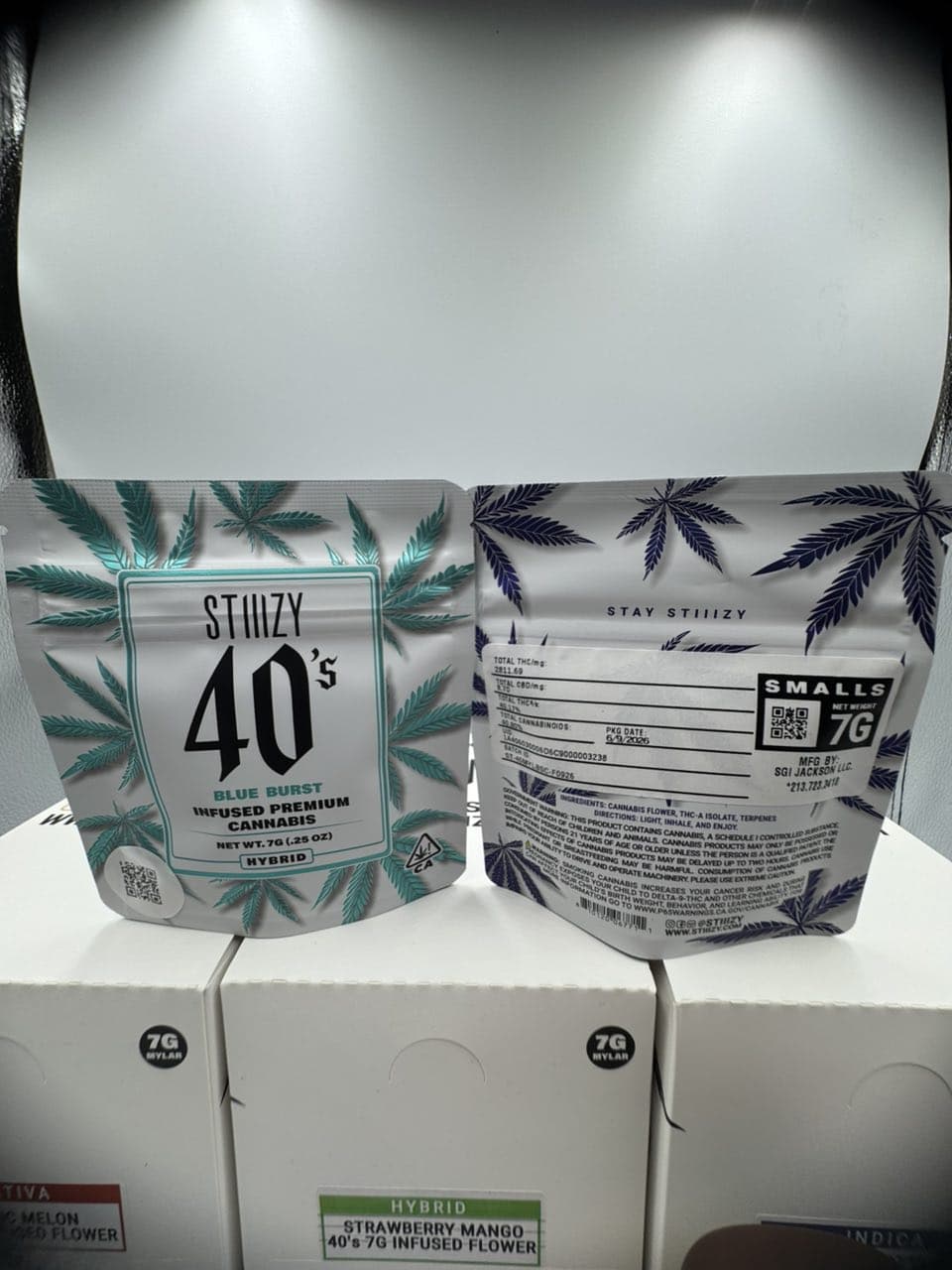
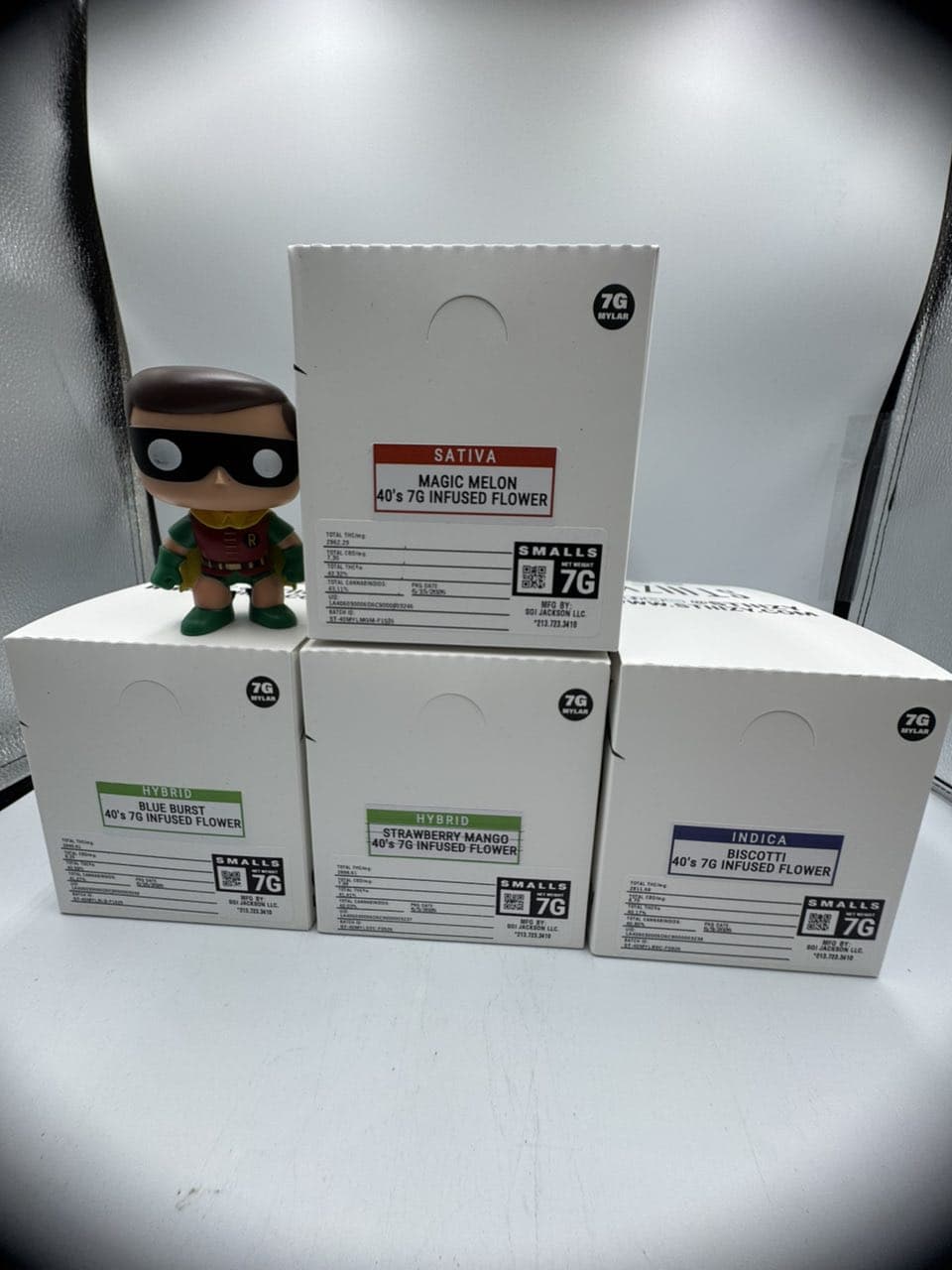
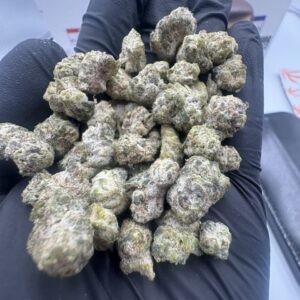
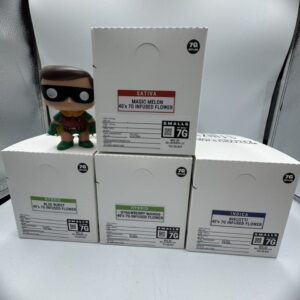
STIIIZY 7G Infused Smalls generally refers to a 7-gram bag of smaller cannabis flower pieces that have been infused with a concentrated cannabis ingredient. STIIIZY’s official product information describes its 40’s Infused Flower as a combination of cannabis flower and THC-A diamonds, packaged in a 7-gram Mylar bag. The company states that this product line is available in California.
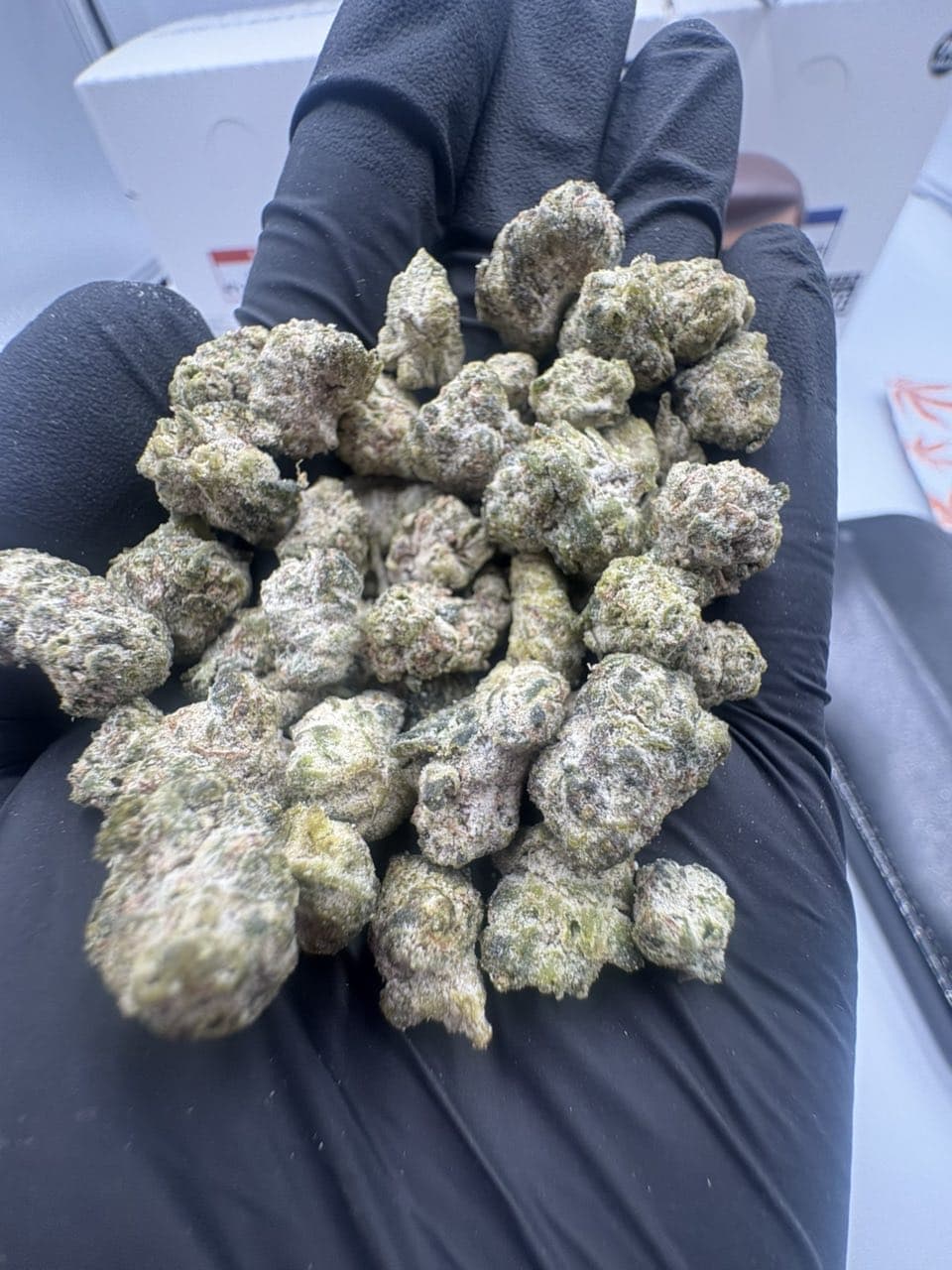
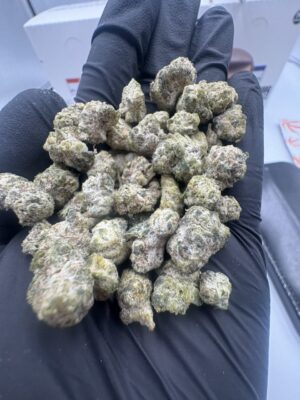
The word “smalls” describes the size of the flower pieces rather than a separate cannabis species or strain. Smalls are usually smaller buds or popcorn-style pieces that develop naturally on the plant. They are distinct from trim, shake, or loose ground material, although terminology can vary among brands and retailers.
The term “infused” means that the flower has been combined with an additional cannabis component. In the STIIIZY 40’s product description, that component is identified as THC-A diamonds. Some retailer listings use phrases such as “THCA infused” or “THC-A diamonds and terpenes,” but consumers should check the specific package because the ingredients and formulation may differ between products or releases.stiiizy+1
The phrase “7G” means seven grams by net weight. It does not describe cannabinoid concentration, the number of buds in the bag, or the amount of concentrate added. It also should not be confused with a 7-gram concentrate product. In this context, the package is a flower product containing an infusion.
Technical Specifications
The following table uses information that can be verified from official STIIIZY or clearly identified retailer listings. Exact details may change by market, release, strain, or batch.
A retailer may publish a THC percentage, strain name, terpene profile, or product description for a particular package. Those details should not automatically be applied to every STIIIZY 7G Infused Smalls product. Cannabis flower can vary by cultivation batch, manufacturing date, testing laboratory, and jurisdiction.
What Does “Infused Smalls” Mean?
The phrase infused smalls combines two product descriptions. “Smalls” identifies the physical size of the flower, while “infused” identifies the addition of a concentrated cannabis component.
What are cannabis smalls?
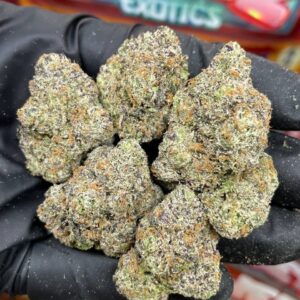
Cannabis smalls are compact flower buds that are usually smaller than the larger, more visually prominent buds often displayed in premium flower packaging. Their size may result from the plant’s natural growth pattern and does not, by itself, reveal cannabinoid concentration, terpene content, or product quality.
Smalls should not automatically be described as lower quality. Size is only one physical characteristic. The important information includes how the flower was cultivated, dried, cured, tested, stored, and packaged. A small bud can have a different appearance from a large bud while still carrying the same general cultivar identity, although batch variation remains possible.
How is the flower infused?
The exact infusion method for a particular STIIIZY product should be confirmed through manufacturer documentation. In general, infused flower may be created by applying a concentrate to flower, coating the surface, incorporating crystalline material, or using another controlled manufacturing process. The added material may include THC-A diamonds, resin, distillate, hash, or a different cannabis concentrate, depending on the product.
Not all infused flower is manufactured in the same way. Some products visibly show crystals or a coating, while others may appear closer to conventional flower. Visual appearance is not sufficient to identify the type, quantity, or distribution of the added material.
Because infused flower is a mixed product, labeling may include information about both the raw flower and the manufactured component. Vermont guidance, for example, states that infused pre-rolls should disclose ingredients and the ratio of flower to concentrate by weight; other states may use different requirements for infused flower or mixed-matrix products.
How Infused Cannabis Flower Differs From Conventional Flower
Conventional cannabis flower consists primarily of harvested, dried, and cured plant material. Its cannabinoid and terpene content comes from the cultivar and the way it was grown, harvested, processed, and stored.
Infused cannabis flower contains the same general flower base but adds another cannabis component. That additional material changes the product category and may affect the labeled cannabinoid profile, texture, appearance, and packaging requirements.
The most important distinction is that “smalls” does not mean “infused.” A package may contain small buds without any concentrate. Conversely, an infused flower product may contain larger buds. These terms describe different attributes and should not be treated as synonyms.
THC-A Diamonds and Cannabinoid Information
STIIIZY’s official description identifies THC-A diamonds as the added component in its 40’s Infused Flower line. THC-A, or tetrahydrocannabinolic acid, is a cannabinoid that occurs naturally in raw cannabis. Product labels may report THCA, delta-9 THC, total THC, or a combination of cannabinoid values according to the rules of the relevant jurisdiction.
The presence of THC-A diamonds does not establish a universal potency level. The official page uses the “40’s” name and refers to total cannabinoids, but consumers should rely on the current package and laboratory report for the actual batch result rather than assuming that every product reaches the same figure.
Cannabinoid reporting can also differ between states. Some markets emphasize total THC by weight, while others may display THC and THCA separately, include total potential THC, or require serving-based information for certain product categories. Retail menus can use abbreviated or rounded values that do not exactly match the final package.
This is why a product’s percentage should be read alongside:
-
The net weight.
-
The product category.
-
The batch or lot number.
-
The testing date.
-
The laboratory name or report.
-
The distinction between THC, THCA, CBD, and total potential THC.
A high number on a menu is not a substitute for product traceability. It may represent a particular batch rather than a permanent specification.
Terpene Profile and Flavor Information
A product’s terpene profile describes the aromatic compounds that contribute to its smell and flavor. Cannabis terpene descriptions may include fruit, citrus, floral, pine, spice, earth, gas, berry, or herbal notes. These descriptions can help readers understand the intended sensory character, but they should not be treated as guaranteed effects or universal experiences.
The terpene profile of STIIIZY 7G Infused Smalls may depend on both the flower and the added concentrate. If the product includes THC-A diamonds with associated terpenes, the concentrate can contribute additional aromatic compounds. However, the official general description does not establish terpene percentages or a single profile for every strain and batch.
Storage also matters. Terpenes are volatile compounds and may change when exposed to heat, light, oxygen, or repeated opening. A product that has been stored for a long period may smell different from a freshly packaged batch. Aroma alone cannot verify authenticity or laboratory quality.
Responsible product descriptions should distinguish between a labeled flavor note and a confirmed chemical analysis. A retailer may describe a product as fruity or sweet, while a laboratory report may quantify individual terpenes. These are different types of information.
Product Packaging and Labeling
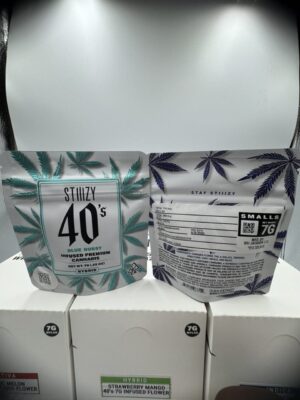
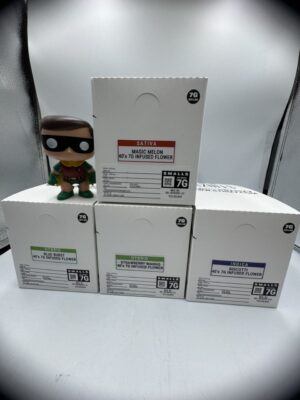
STIIIZY describes the 40’s Infused Flower as being packaged in a 7G Mylar bag. Mylar-style packaging is commonly used for cannabis flower because it can provide a lightweight, sealed barrier against light and air when properly manufactured.
Packaging design, however, should not be confused with product verification. A branded bag can be copied, and a professional appearance does not prove that the contents came from the named manufacturer. Consumers should examine the information printed on the package rather than relying only on color, logos, or product photography.
Depending on the jurisdiction, a regulated cannabis flower package may include:
-
Product name and category.
-
Net weight.
-
Cannabinoid profile.
-
Ingredient or additive information.
-
Batch or lot number.
-
Packaging or manufacturing date.
-
Cultivator, manufacturer, or distributor details.
-
Required cannabis symbol and warning language.
-
Testing information or a certificate-of-analysis reference.
Infused products may require additional details because they combine flower with a manufactured cannabis component. Rhode Island regulations, for example, require cannabinoid information per serving and per package for certain cannabis products and may require clarification where cannabinoids are not fully homogenized. Washington testing rules include cannabinoid analysis, water activity, foreign-matter inspection, microbiological testing, mycotoxin testing, and pesticide testing for cannabis flower.law.cornell+1
Requirements differ across the United States, so readers should not assume that one state’s label format applies nationwide.
Laboratory Testing and Transparency
Laboratory testing is central to understanding cannabis product information. Testing may evaluate cannabinoid concentration and screen for contaminants such as pesticides, heavy metals, microbial impurities, mycotoxins, and residual solvents. The exact testing panel depends on the state and product type.
Infused products can raise additional testing questions because they combine raw plant material with a concentrate or another manufactured component. New York testing guidance, for example, specifically discusses mixed-matrix cannabis products such as infused pre-rolls and infused flower and indicates that these products must be tested for residual solvents.
A laboratory report should correspond to the product’s batch or lot number. Consumers reviewing a COA should check whether:
-
The product name matches the package.
-
The strain or variant matches where applicable.
-
The batch number is identical.
-
The test date is reasonable for the package date.
-
The reported cannabinoids match the label.
-
The laboratory is authorized in the relevant state.
-
The product passed the required compliance tests.
A generic “lab tested” statement is less useful than a report tied to the exact product. If a retailer cannot explain which batch a reported THC percentage belongs to, the information should be treated cautiously.
Authenticity Concerns and Trust Signals
Product authenticity is an important search concern for recognizable cannabis brands. STIIIZY has an established official website and product catalog, but retailer pages, delivery menus, and third-party websites may display different product names or specifications. Official information should be used to confirm the product category, while the package and licensed retailer should confirm the specific batch.
Useful authenticity checks include:
-
Purchase only through a licensed dispensary where cannabis sales are legal.
-
Compare the package with current official STIIIZY product information.
-
Verify the net weight and product category.
-
Check for a matching batch or lot number.
-
Review the certificate of analysis when available.
-
Confirm that the retailer and manufacturer details are consistent.
-
Be cautious if the packaging contains spelling errors, missing warnings, mismatched fonts, or an untraceable QR code.
A QR code is not automatically proof of authenticity. It should lead to a legitimate brand verification page, regulated retailer record, laboratory report, or government licensing resource. A generic website or social-media profile provides limited evidence.
Consumers should also be wary of products sold through informal channels. The CDC and FDA have advised against THC vaping products from informal sources in connection with the EVALI outbreak. Although that warning focuses on vaping products, it reinforces a broader principle: traceable, regulated sourcing is more reliable than unverified packaging or informal marketplace claims.archive.cdc+1
Storage Considerations for Infused Smalls
STIIIZY 7G Infused Smalls should generally remain in their original sealed packaging and be kept in a cool, dark, dry location. The bag should be protected from direct sunlight, high temperatures, moisture, and unnecessary handling.
Heat can affect flower texture and terpene retention. Excess moisture may create quality concerns, while overly dry conditions can make the flower brittle. Opening the package repeatedly also increases exposure to oxygen and may accelerate changes in aroma and texture.
Consumers should keep cannabis products secured away from children and pets. The packaging should remain available for reference because it contains the product’s batch information, label details, and warnings. Storage cannot correct a product with missing testing documentation or questionable origin; it only helps preserve a properly labelled product.
How Consumers Should Evaluate Product Information
The most reliable evaluation method is to separate verified facts from marketing language. For STIIIZY 7G Infused Smalls, the manufacturer verifies the 7-gram Mylar format and identifies the 40’s product as flower combined with THC-A diamonds, with California availability stated on the official page. Other details, such as an exact strain, cannabinoid percentage, terpene profile, or package date, may apply only to a particular release.
Retailer descriptions can be useful, but they should be treated as batch-specific information. A retailer may list a product as “indoor smalls,” “THCA infused,” or “40% THC,” while another retailer lists a different figure for the same broad product family. Such differences may reflect batch variation, data-entry errors, testing differences, or changes in inventory.
A high-quality cannabis information website should therefore avoid presenting one retailer’s claim as a universal specification. It should use careful language such as “the listed package reports,” “the manufacturer describes,” or “the current COA should confirm.”
STIIIZY 7G Infused Smalls FAQs
What does “smalls” mean in cannabis flower?
“Smalls” usually refers to smaller-sized cannabis buds. It describes physical size rather than a specific potency level, strain, cultivation method, or quality grade.
Are STIIIZY 7G Infused Smalls the same as regular flower?
No. Regular flower generally contains dried cannabis buds without an added concentrate. STIIIZY’s official 40’s product description identifies its infused flower as cannabis flower combined with THC-A diamonds.
Does 7G mean 7 grams of concentrate?
No. In this product category, 7G refers to the total package weight of the infused flower. It does not mean the package contains seven grams of concentrate.
Does every STIIIZY infused flower product have the same THC percentage?
No. Cannabinoid values can vary by strain, batch, laboratory result, and state labeling rules. The current package and matching COA should be used for the specific percentage.
Why might the retailer description differ from the package?
Retail menus may use abbreviated, outdated, rounded, or batch-specific information. The sealed product label and current laboratory report should take priority.
What should be listed on the package?
Requirements vary by state, but consumers should generally expect net weight, cannabinoid information, batch details, business information, warnings, and ingredient or additive information where required.
How do I verify the batch information?
Find the batch or lot number on the package and compare it with the certificate of analysis or official verification record. The product name and weight should also match.
Is infused flower the same as an infused pre-roll?
No. Infused flower is packaged as flower, while an infused pre-roll is flower rolled into a joint with an added cannabis ingredient. Their labeling and testing requirements may differ.
Can the terpene profile be confirmed from the strain name?
No. A strain name may suggest an identity or flavor family, but it does not provide a complete terpene analysis. A laboratory report or manufacturer documentation is more reliable.
Why can cannabis product rules differ between states?
Cannabis remains regulated primarily at the state level in the United States. States can set different rules for testing panels, packaging, cannabinoid labeling, serving information, and product categories.
Conclusion
STIIIZY 7G Infused Smalls are a 7-gram infused cannabis flower product made with smaller-sized flower pieces and an added cannabinoid-rich component. STIIIZY’s official information identifies its 40’s line as flower combined with THC-A diamonds and packaged in a 7G Mylar bag, with the product described as California-only.
The most important details for any specific package—including strain, cannabinoid percentage, terpene profile, ingredients, batch date, and laboratory results—should be verified from the current label, licensed retailer, official manufacturer information, and matching certificate of analysis. Product names and retailer descriptions can change, and no general product page should be treated as a substitute for batch-specific documentation.
For adults researching STIIIZY infused smalls, the best approach is factual and cautious: understand the difference between cannabis smalls and infused flower, examine the packaging, verify lab testing where applicable, and use regulated sources in accordance with state law.




Reviews
There are no reviews yet.