OG Cake Hits Different Premium Flower 28G Exceptional Cannabis Experience
OG Cake Hits Different Premium Flower: Product Information and FAQs
OG Cake Hits Different Premium Flower is a name used in commercial listings for packaged cannabis flower. However, the available public information does not establish a single verified specification covering every product advertised under that name. Research for this article did not locate an authenticated, batch-specific laboratory report or complete producer documentation for the exact product. Its genetics, cannabinoid percentages, cultivation methods, and package configuration therefore remain unconfirmed. Understanding the name requires separating a possible brand identity from a flower variety, a marketing slogan, and unrelated products with similar wording.
What Is OG Cake Hits Different Premium Flower?
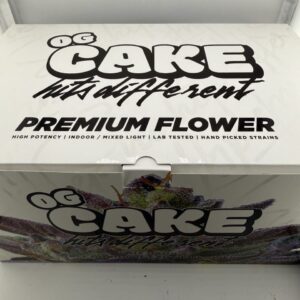
The phrase presents the product as cannabis flower, rather than identifying a vape device or an edible. That is a description of how it is named and listed, not confirmation of a particular package’s contents. “OG Cake” appears to function as a brand-like element in this context, “Hits Different” as positioning language, and “Premium Flower” as the advertised category. A complete specification would still need to identify the producer, product variant, net quantity, batch, and composition. None of those details should be filled in from the name alone.
Search results also contain flower products, pre-rolls, and vape products using overlapping Cake-related wording. This creates an immediate research problem: a detailed page can describe the wrong format while appearing highly relevant. A cannabinoid figure from a vape listing is not a flower result, and information about a pre-roll cannot establish whether loose flower contains added material. Reliable OG Cake flower information must therefore match the full designation and product type before its claims are assessed. Similar wording is a reason to investigate identity, not a reason to combine specifications.
Understanding the OG Cake Name and Brand Relationships
A public website using the OG Cake name was located during research. Its accessible homepage displayed the branding but did not supply enough readable information to authenticate this exact flower product or connect a package to a batch report. Separately, Cake-related websites and listings use similar slogans and product names. This review did not independently establish the ownership or licensing relationships linking those names to the requested flower. A recognizable domain or familiar logo should not be treated as evidence that every similarly named product shares the same manufacturer.
Brand identification becomes more useful when it connects to an accountable legal entity. A business may trade under a consumer-facing name while production, packaging, or distribution involves other entities. For this product, those roles should be documented rather than assumed. An attributable producer statement could establish which company claims responsibility for a named line, while a relevant license record could establish that company’s authorization for a particular activity. Neither alone proves the origin of an individual package; the batch and product records must connect the pieces.
The wording “Hits Different” also needs to remain in its proper role. It is not a laboratory measurement, a clinical finding, or a standardized comparison against other cannabis. It does not specify intensity, duration, consistency, or suitability for any person. An informational article can accurately reproduce the phrase as part of the product name without adopting its implied performance claim. Likewise, the presence or absence of “She” in a listing title should not be used by itself to decide whether two products are identical, related, or counterfeit.
Is OG Cake a Strain or a Branded Flower Product?
The shorter phrase “OG Cake” appears in strain-oriented search results as well as brand-oriented listings. These are different uses of a name. A strain profile generally attempts to describe a plant variety, while a branded flower range can potentially include multiple varieties. It would therefore be unreliable to select a strain profile and assign its parentage, claimed indica percentage, or sensory description to every OG Cake Hits Different package. The correct question is whether the specific package identifies a cultivar and whether the producer documents that identification.
Genetics and chemistry also answer different questions. A documented cultivar name would describe the producer’s identification of the plant material; a batch analysis would describe measured substances in a sample. One does not replace the other. A flower label using “indica,” “sativa,” or “hybrid” is not sufficient evidence for a promised experience, and this review found no product-specific basis for making such promises. For the exact item discussed here, the responsible approach is to leave parent strains and category ratios unspecified until attributable documentation becomes available.
What Does Premium Flower Mean?
“Premium” signals a quality claim, but the word supplies no assessment method, numerical threshold, or certificate on its own. A useful explanation should state the specific characteristic behind the claim and how that characteristic was established. For example, a producer might document a sorting standard, a declared cultivar, or a particular handling practice. Those would be separate factual claims requiring their own support. Without that detail, “premium” remains part of the commercial description rather than an independently verified grade for OG Cake Hits Different Premium Flower.
This distinction matters for common accompanying phrases such as “hand-trimmed,” “indoor-grown,” “sun-grown,” “small batch,” and “pesticide-free.” None is established by attractive packaging or a photograph of dense buds. A claim about growing conditions needs cultivation documentation, while a claim about tested residues needs the relevant report and its scope. This article does not assign either indoor or outdoor production, organic status, special curing, or a harvesting method to the product. A neutral description can preserve the name while leaving unsupported production claims out of the specification.
OG Cake Flower Ingredients and Product Format
No complete authenticated composition statement for the exact product was located. Although “flower” ordinarily points toward plant material in cannabis product language, it cannot settle whether a specific advertised item contains additional substances. It would be equally unjustified to describe this product as infused or to certify it as additive-free without suitable documentation. Claims involving added terpenes, concentrates, isolate, flavorings, or coatings should be checked against a specific label or producer statement. Absence of a claim in a listing is not independent proof of absence from the product.
Product classification is especially important when comparing flower with similarly branded items. Health Canada’s label guidance distinguishes dried cannabis, which includes flower, from extracts and other classes. Its examples place products such as vape liquids and infused pre-rolls within the extract category. Those are Canadian labeling examples, not a classification decision about this product. They illustrate why the product format must be established before borrowing information from a related-looking item: the category affects what the documentation describes.
Appearance, Aroma, and Flower Descriptions
No independently authenticated sensory evaluation of OG Cake Hits Different Premium Flower was available for this article. Accordingly, it does not claim vanilla, citrus, earthy, sweet, gas-like, or other specific notes. “Cake” in a name does not prove a dessert aroma, a particular terpene, or added flavoring. A source may report a sensory impression, but that observation should be attributed and connected to the material assessed. Describing a reviewer’s experience is different from claiming that every batch has the same characteristics or will produce the same response.
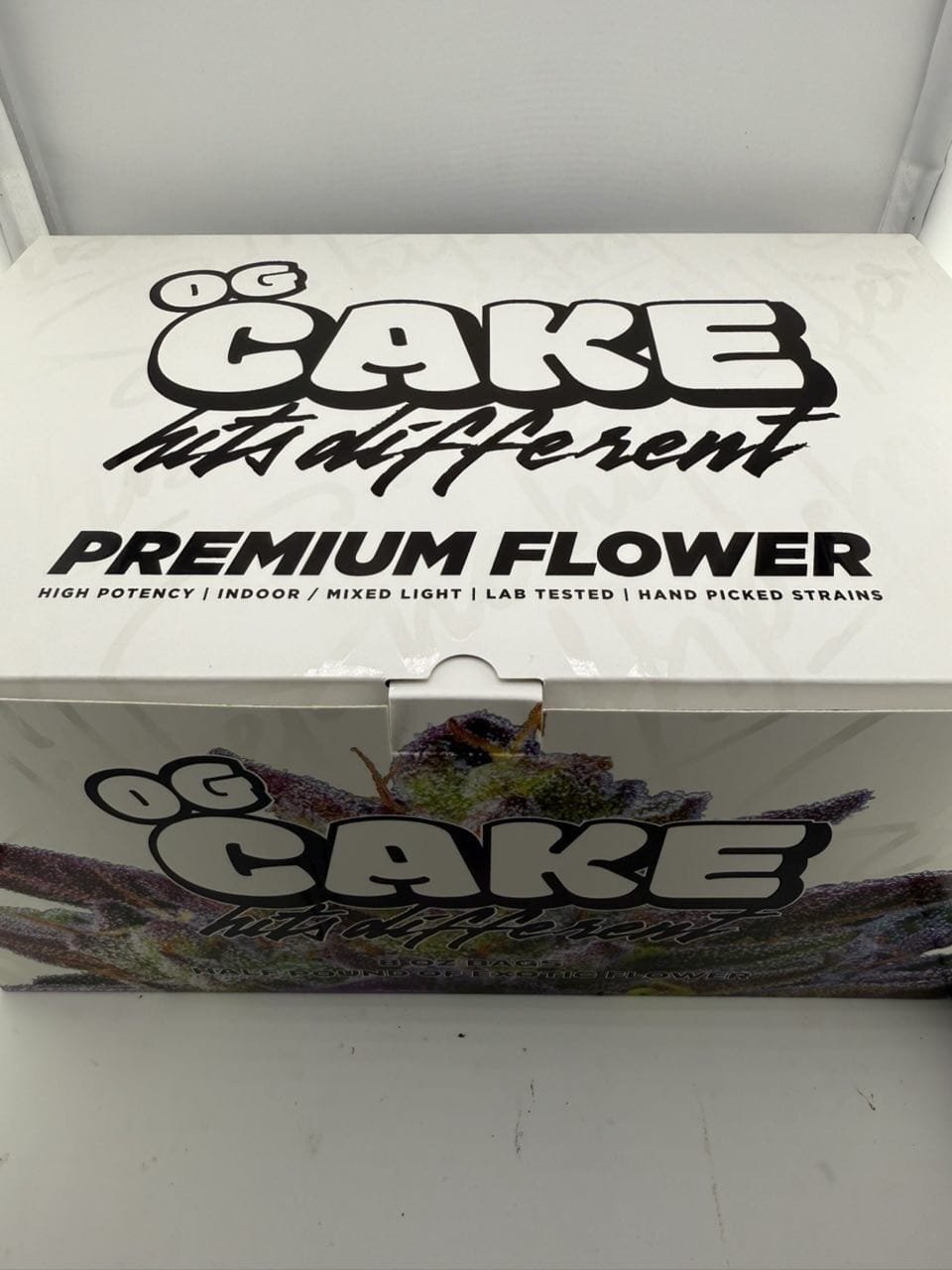
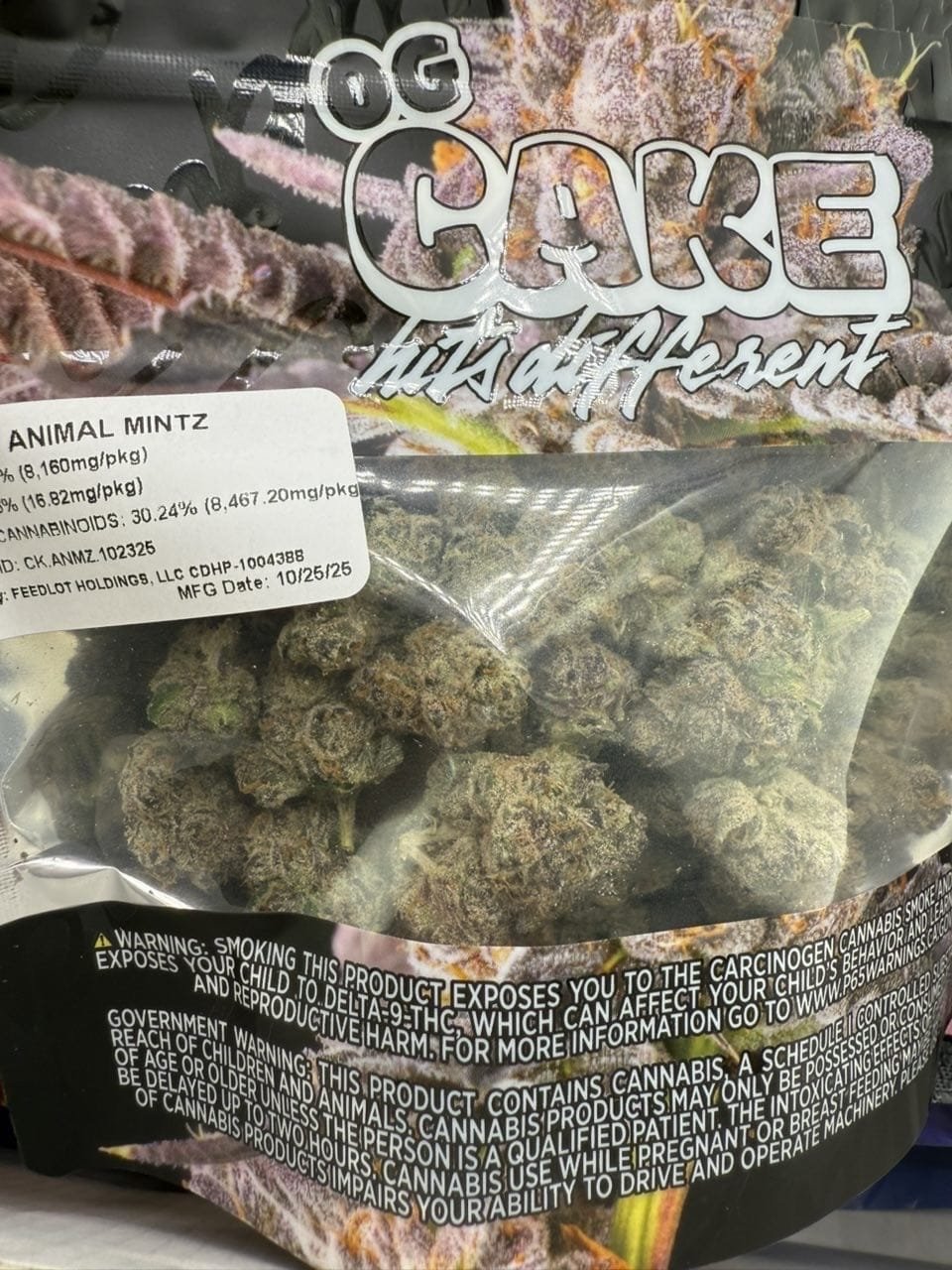
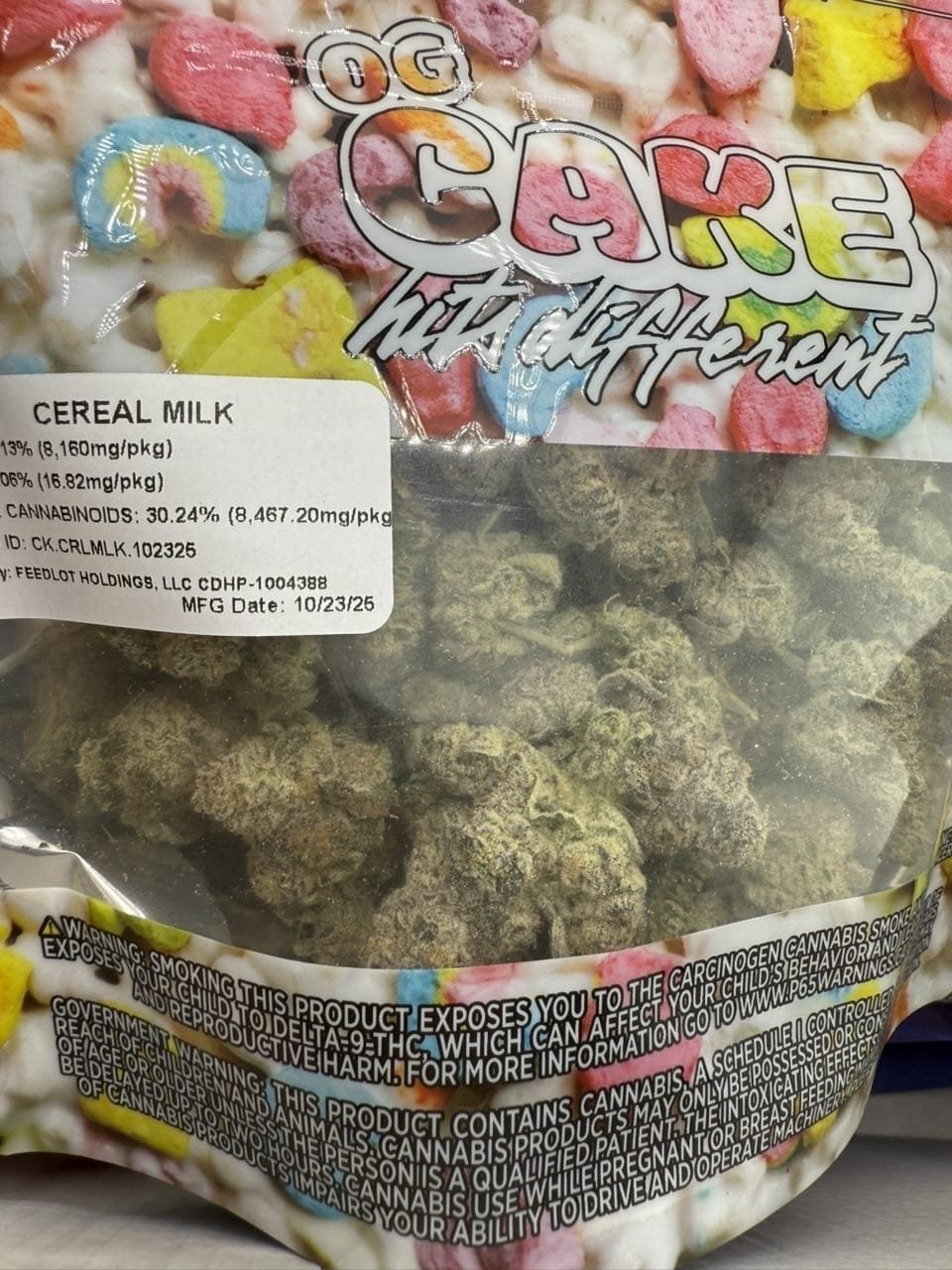
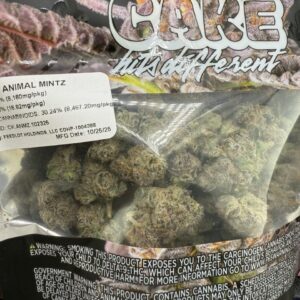
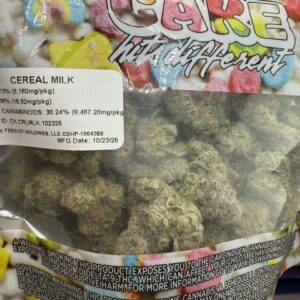
Photographs can show visible presentation, but their evidential value is limited. A photograph does not reveal a cannabinoid percentage, identify a growing environment, or establish that laboratory testing occurred. Lighting, image processing, and scale can also affect the apparent color and size of flower. Pictures reused across listings may lack a connection to the specific item under discussion. For a factual description, readable label images are often more useful than close-ups because they can supply identifiers that connect the product to other records. Visual appeal alone cannot authenticate those records.
OG Cake Hits Different Premium Flower Cannabinoid Content
No verified THC, THCA, CBD, or total-cannabinoid figure can be assigned to this product from the documentation reviewed. Numbers from another Cake product, a generic strain profile, or a different batch would not resolve that gap. A credible potency statement should identify the tested batch and preserve the report’s units. It should also specify whether the result concerns the finished flower product or another material. Reporting a precise percentage without that connection creates an appearance of certainty that the underlying evidence does not support.
General background: THC, THCA, and Total THC are distinct report entries. California’s cannabinoid-testing regulation describes calculating total concentration from the acidic cannabinoid concentration multiplied by 0.877, plus the corresponding neutral cannabinoid concentration. Consequently, Total THC should not be added to THC and THCA as though all three were separate ingredients. The applicable reporting convention and measurement basis need to be read first. This laboratory explanation is not a potency estimate for OG Cake flower.
Package weight and concentration should also remain separate. A gram figure describes a quantity of material; a percentage or milligrams-per-gram figure describes a measured proportion. A larger package is not automatically more concentrated than a smaller one. Health Canada’s label guide distinguishes concentration from amounts per unit and amounts per package. When comparing reports, readers should check that the units refer to the same quantity and product type. A prominent number is not informative until its label explains what it measures.
OG Cake Flower Lab Testing and Certificates of Analysis
A certificate of analysis, or COA, is useful only when its connection to the product is clear. The name on a report may resemble the package name while the sample refers to a different item. Before interpreting results, establish which producer submitted the material, which batch it represents, and what kind of material was tested. A report for a vape liquid would not verify flower, even if both display Cake-related branding. This identity check prevents genuine laboratory data from being used to support an unrelated product claim.
California’s COA requirements provide an example of traceable documentation: laboratory and business identities, batch number, sample identifiers, material type, sample-history dates, analytical information, and authorized report validation. The rules also require matching batch numbers for goods already packaged when sampled. These are jurisdiction-specific requirements, not evidence that OG Cake flower was tested under them. The practical lesson is that identifying fields belong with the results; an isolated percentage does not provide the same information as the complete report.
Testing scope matters as much as the headline result. California’s Department of Cannabis Control describes categories including cannabinoids and terpenes, pesticides, heavy metals, microbial impurities, mycotoxins, and residual solvents or processing chemicals. A document covering only cannabinoid concentration cannot be described as comprehensive contaminant testing. Equally, a result for one contaminant category does not settle another. The accurate wording identifies what was tested and what the report concluded, without expanding a limited result into a broad claim of purity or universal safety.
Report dates, completeness, and verification also deserve attention. A cropped screenshot may hide identifiers or qualifications, while an older report may belong to a previous batch. A QR code only directs the reader somewhere; it does not independently authenticate the destination or its documents. When checking a report, the laboratory’s independently established contact details or verification system are more informative than a seller’s assurance alone. California’s reporting rules distinguish results such as “not detected” from tests not performed, an important difference when interpreting missing information.
Packaging, Package Weight, and Product Verification
OG Cake flower packaging should be read for identity and traceability rather than treated as proof of quality. Useful information includes the named responsible business, product variant, net contents, lot or batch number, and dates. Those fields should agree with any accompanying documentation. A discrepancy deserves an explanation; it should not be dismissed because the logo looks familiar. Likewise, a license number needs to correspond to the correct business and relevant activity. A number printed on a package is a claim to check, not the completed verification itself.
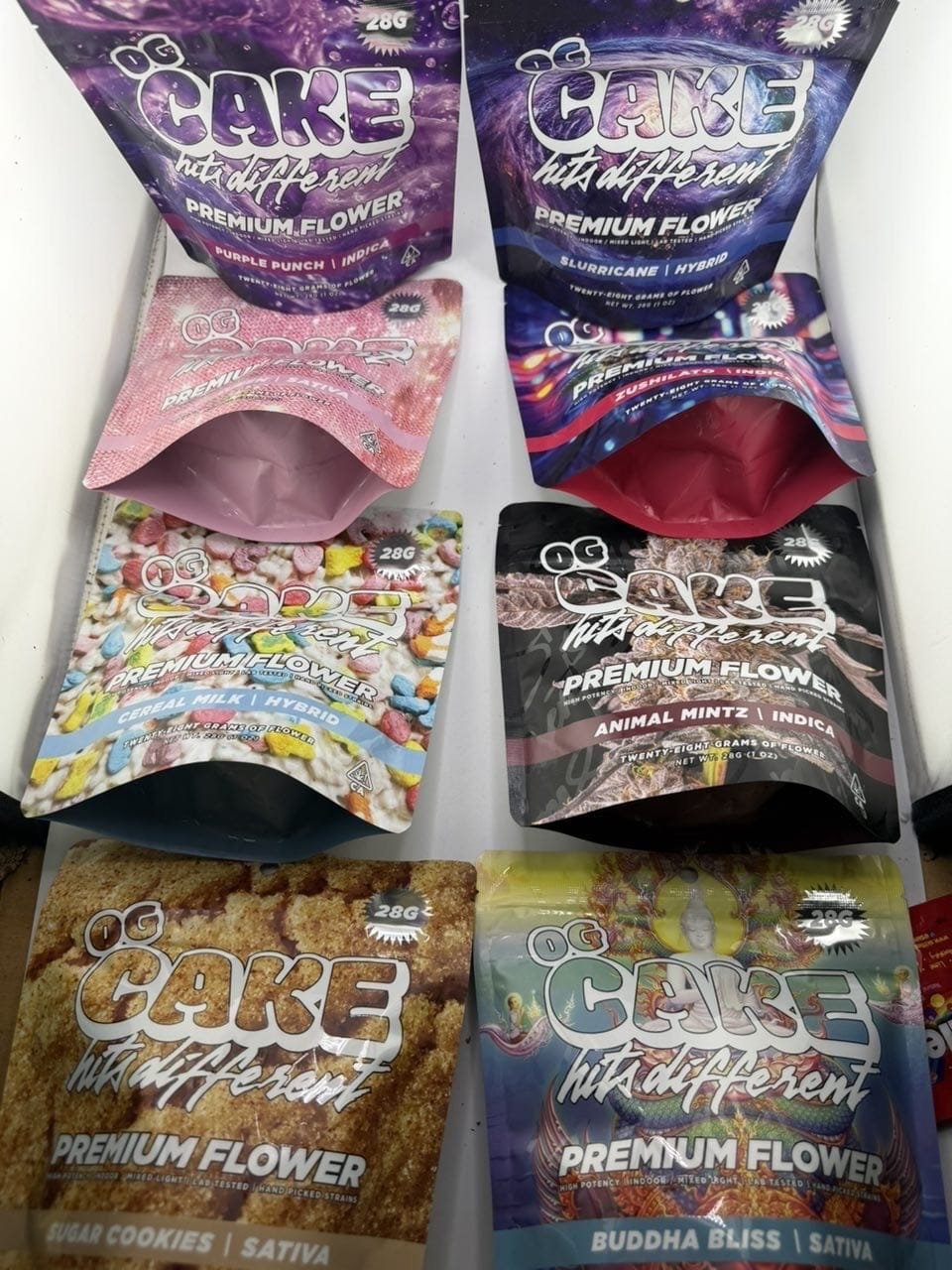
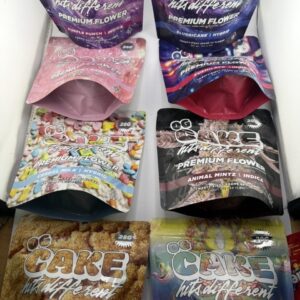
This review did not establish a universal package size or authoritative packaging reference for the exact flower product. Commercial titles may describe an individual package, a group of packages, or a larger assortment, so their weight claims should not be combined. The net-content declaration should make clear which unit is being described. Even a genuine photograph of a particular edition cannot establish the current packaging or contents of every edition. A reliable product record retains the relationship between the specific package, its variant, and its batch documentation.
Verification also has limits. Confirming that a business exists does not authenticate every product bearing its name, and confirming a report’s origin does not prove that an unrelated package contains the tested material. The strongest assessment connects the accountable producer, the exact product identifier, and the relevant batch. If a link in that chain is missing, the remaining uncertainty should be stated precisely. “Producer not confirmed” and “batch report unavailable” are more informative than declaring the entire product either unquestionably authentic or necessarily fake.
Flower, Infused Flower, and Vape Products Compared
These general format descriptions help explain why overlapping brand names cannot justify interchangeable specifications. They do not establish the composition of this product.
| Format | General description | Documentation that matters | What cannot be assumed |
|---|---|---|---|
| Cannabis flower | Cannabis plant flower material, commonly described as buds. | Producer, cultivar declaration where available, package identity, and batch results. | A universal potency, growing method, or sensory profile. |
| Infused or coated flower | Flower described as containing added material. | Declared added components and testing for the finished product. | That a coating is THCA isolate or that all formulations match. |
| Pre-roll | A packaged rolled product whose contents need identification. | Fill composition, net contents, batch, and relevant testing. | That every pre-roll is uninfused or uses the same flower as a loose-flower line. |
| Vape product | A device or cartridge containing material intended for vaporization. | Liquid composition, device identification, and applicable batch documentation. | That its cannabinoid result describes a similarly named flower product. |
Cannabis Health Information and Unsupported Claims
General cannabis risks apply regardless of whether a package uses premium branding. The CDC explains that cannabis can affect memory, attention, coordination, decision-making, and reaction time. It also identifies the possibility of cannabis use disorder and notes that smoking cannabis can damage lung tissue. These findings do not determine the composition of OG Cake flower, but they make blanket descriptions such as harmless or risk-free inappropriate. A passing laboratory report would address its listed tests, not eliminate the health risks associated with cannabis itself.
Claims of guaranteed relaxation, better sleep, focus, or relief should not be presented as established benefits of this product. The CDC notes that cannabis can cause anxiety, paranoia, and disorientation and describes associations with psychosis. Outcomes cannot be inferred from “Cake,” “premium,” or “Hits Different.” Pregnancy and breastfeeding raise additional concerns, with CDC guidance recommending avoidance during pregnancy and encouraging avoidance during breastfeeding. Questions about individual health circumstances belong with a qualified clinician; product branding and customer testimonials do not provide a medical assessment.
OG Cake Hits Different Premium Flower Information Table
| Detail | Verified information | Remaining uncertainty |
|---|---|---|
| Product name | The wording appears in commercial flower listings. | Whether all listings identify the same authorized product. |
| Brand and producer | Not independently verified for the exact flower product. | Legal producer, brand ownership, and relationships to other Cake names. |
| Product format | Marketed as flower. | Finished contents and whether any added material is present. |
| Strains and genetics | Not independently verified. | Cultivar identity, parentage, and assortment. |
| Ingredients | Not independently verified. | Complete composition and any additives or infusion. |
| Cultivation methods | Not independently verified. | Indoor, outdoor, greenhouse, trimming, and curing claims. |
| Package weight | Not independently verified as a universal specification. | Net quantity per unit and multipack configuration. |
| Cannabinoid content | Not independently verified. | Batch-specific THC, THCA, CBD, and reporting basis. |
| Laboratory documentation | No authenticated batch report established in this review. | Laboratory identity, report validity, product match, and testing scope. |
OG Cake Hits Different Premium Flower FAQ
| Question | Answer |
|---|---|
| What is OG Cake Hits Different Premium Flower? | It is a commercial name used for packaged cannabis flower. Complete producer and batch documentation for the exact item was not established in this review. |
| Is OG Cake a brand or a strain? | The wording appears in both contexts. A branded flower product should not automatically be assigned the genetics or specifications of a strain with the same name. |
| Is it the same as Cake She Hits Different? | A relationship linking every similarly named product was not independently verified. Comparable wording does not establish common ownership or an identical product. |
| What does “premium” confirm? | Nothing specific without supporting criteria. It does not independently establish a certification, cultivation method, cannabinoid level, or quality grade. |
| Which strains are included? | An authoritative strain list for this exact product was not located. A listing for another edition cannot confirm the contents of a particular package. |
| Does it contain added concentrates or flavorings? | That was not independently established. The word “flower” alone should not be treated as an authenticated complete composition statement. |
| What is the THC percentage? | No verified batch-specific percentage was established. Figures from vape products, generic strain profiles, or other batches should not be transferred to this flower. |
| What package weight does it come in? | No universal size was verified. The exact package’s net contents and any multipack structure need their own documentation. |
| Is OG Cake flower lab tested? | This review did not authenticate a batch-linked report for the exact product. That does not prove testing never occurred, but it prevents a confirmed testing claim. |
| Can packaging or a QR code verify authenticity? | Not alone. Producer details, identifiers, report provenance, and the relationship between the report and package need to agree. |
| Is it equivalent to similarly named vape products? | No equivalence should be assumed. Flower and vape liquids are different formats, and their specifications and laboratory results are not interchangeable. |
| Does it have proven medical benefits? | This review did not establish product-specific clinical evidence. General cannabis research and customer experiences do not demonstrate that this product treats a condition. |