New Persy Mini Snowballs Sweetz Exotics – Premium 1-Pound Collection of Potent, Flavorful, Frosty Perfection
Persy Mini Snowballs Sweetz Exotics: Product Information and FAQs
Persy Mini Snowballs Sweetz Exotics appears in commercial cannabis listings, but the name does not establish a verified manufacturer, formula, or official collaboration. Research for this article did not locate authoritative documentation connecting all three names to an identified producer, a complete ingredient statement, or an authenticated batch-specific laboratory report. Those gaps prevent reliable confirmation of the coating, flower strains, package sizes, or cannabinoid percentages. This guide explains what the naming suggests, what stronger documentation would establish, and how to understand the relevant terminology without treating advertising as evidence.
Research scope: Publicly accessible sources were reviewed on September 17, 2026. Commercial listings were useful for identifying naming patterns but were not accepted as independent confirmation of product specifications. Regulatory and public-health sources support the general background below; they do not endorse or authenticate this product. A document not located during this review may exist elsewhere, so “not independently verified” describes the available evidence rather than proving that the product is counterfeit, untested, or nonexistent.
What Is Persy Mini Snowballs Sweetz Exotics?
The apparent category is a cannabis product marketed using terminology associated with coated flower. That is a tentative interpretation of the naming and commercial context, not a confirmed description of its contents. “Mini Snowballs” sounds like a format or product-line designation, while “Persy” and “Sweetz Exotics” appear as brand-like elements. None of those observations identifies the responsible legal business. An accurate product description therefore begins with the name and its unresolved identity, rather than presenting a detailed specification assembled from unrelated listings.
Useful Persy Mini Snowballs product information would connect a particular package to an accountable producer and a particular production batch. The supporting material should answer separate questions: who made it, what the finished product contains, how much material the package holds, and which tests apply to that batch. A photograph may help identify a label, while an ingredient statement describes declared components and a laboratory report provides measured results. These sources serve different purposes. Several pages repeating the same description do not automatically provide several independent confirmations.
Understanding the Persy, Mini Snowballs, and Sweetz Exotics Names
The research did not establish whether “Persy” and “Sweetz Exotics” represent separate companies, licensed brands, an authorized collaboration, or names combined by a seller. Likewise, it did not establish “Mini Snowballs” as a formally documented product line belonging to either entity. An “x” between names can suggest a collaboration in marketing, but that typography is not evidence of authorization. Confirmation would require attributable statements from the relevant rights holders or producer records clearly identifying the relationship and the specific product covered.
The word “Persy” also appears in other cannabis branding. For example, 710 Labs identifies a “Persy Products” collection on its own website. That is evidence of 710 Labs’ use of the term only; it does not connect 710 Labs to the product discussed here. Shared vocabulary cannot establish common ownership, equivalent ingredients, or an identical production process. In particular, “Persy” in this name cannot responsibly be translated into “solventless,” “rosin,” or “premium-grade material” without documentation specific to this product.
Similar caution applies to “Mini” and “Exotics.” “Mini” does not specify a measurable piece size, package weight, or cannabinoid amount. “Exotics” does not identify genetics, cultivation conditions, or an independently assessed quality grade. These words can help distinguish a commercial name, but they cannot replace specifications. For editorial purposes, Sweetz Exotics Mini Snowballs should remain a search phrase or naming variation until reliable records establish exactly what it identifies. This prevents a familiar-looking name from carrying assumptions that the evidence does not support.
Persy Mini Snowballs Ingredients and Coating
No complete, authenticated Persy Mini Snowballs ingredients statement was located for this review. Consequently, the flower cultivar, any added extract, coating material, flavoring, and other possible components cannot be confirmed. The appropriate description is that composition remains unresolved. It would be inaccurate to supply a typical snowball recipe and present it as this product’s formula. It would also be inaccurate to claim that the product contains no additives, no solvents, or only cannabis-derived ingredients without evidence supporting those specific statements.
General background: Coated cannabis flower is a descriptive expression for flower with material added to its exterior. It does not, by itself, identify that material or its purity. A pale or white-looking exterior is not a chemical analysis, and a photograph cannot establish that a coating is THCA isolate. The same principle applies to words such as “diamond,” “frosted,” and “infused”: each needs an accompanying explanation of composition. A description should identify whether it is reporting a producer’s declaration, a laboratory measurement, or merely a visual impression.
An ingredient statement and a cannabinoid panel should not be treated as interchangeable. The statement explains what the producer declares was included; the panel reports selected substances measured in a submitted sample. Even a report showing THCA would not, on its own, establish that isolated THCA was added as the coating. Distinguishing the finished product from its components matters: documentation for a raw ingredient cannot automatically establish the composition or testing status of the final packaged material. These are questions about the scope of the evidence, not allegations about this product.
Appearance, Aroma, and Product Descriptions
There is no independently authenticated sensory assessment for this product in the evidence reviewed. Accordingly, this article does not assign candy, fruit, gas, dessert, or other aroma notes, and it does not describe a personal experience. A product name referring to sweets would not establish that sweeteners or flavorings are present. Similarly, packaging artwork depicting fruit would not verify a terpene profile. Attributable sensory descriptions could be reported as the source’s observations, but they would still require a clear connection to the relevant product and batch.
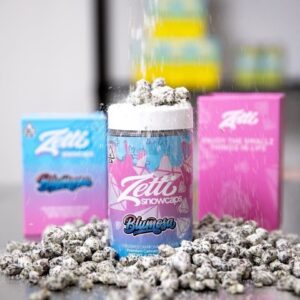
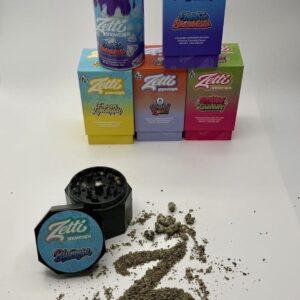
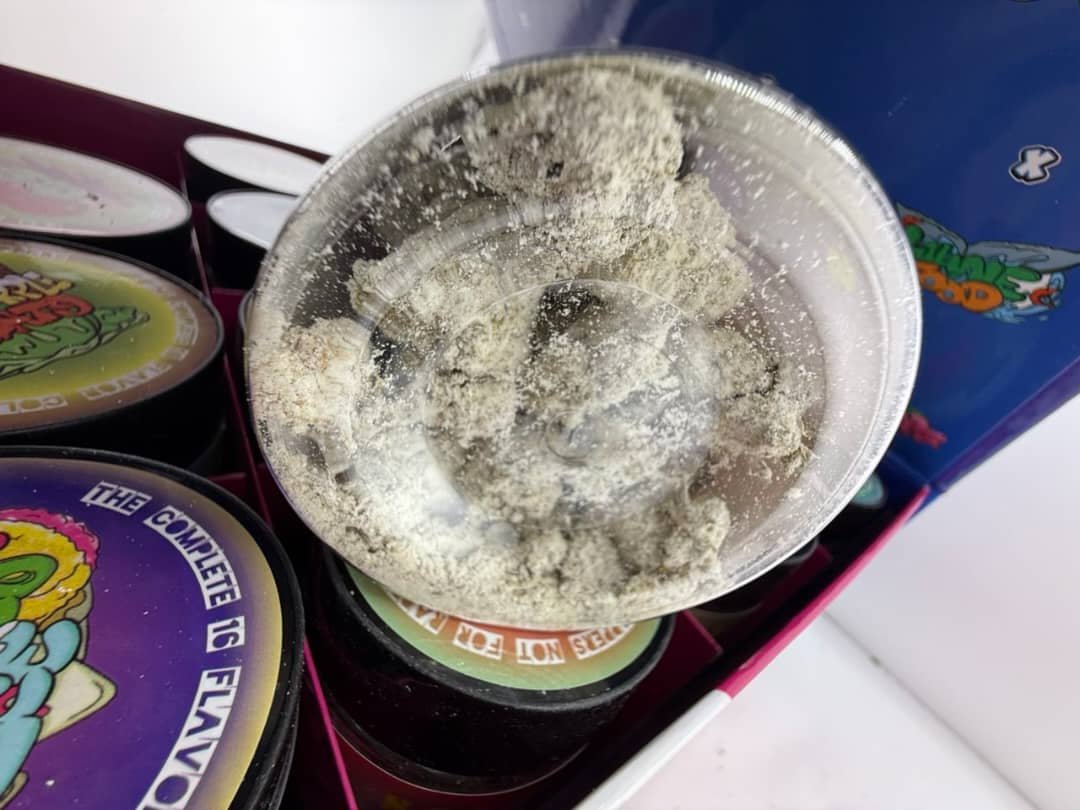
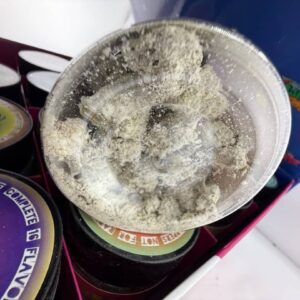
Photographs can support narrow observations about what is visible, such as the words printed on a label. Their usefulness decreases when the question concerns composition, freshness, or laboratory compliance. Lighting, image editing, scale, and packaging reflections can affect appearance; a stock image may not depict the batch being discussed. A close-up without a readable label also lacks useful identifying context. Product descriptions should therefore avoid turning an attractive image into a claim about purity, consistency, or quality. Visual presentation and documented product characteristics are separate forms of information.
Persy Mini Snowballs Cannabinoid Content
Persy Mini Snowballs cannabinoid content cannot be assigned a reliable universal figure from the evidence available here. A percentage copied from another edition, another product, or an unidentified image would not resolve that uncertainty. The relevant evidence would be a report for the finished product’s batch, with its units and reporting basis intact. Even when a legitimate result becomes available, it should be presented as a result for that sample or batch, rather than a permanent characteristic of every package bearing the same name.
General background: Cannabinoid reports can distinguish THC from THCA, its acidic precursor, and may calculate “Total THC.” These entries are not interchangeable. California’s cannabinoid-testing regulation uses the acidic-form concentration multiplied by 0.877, plus the corresponding neutral cannabinoid concentration, when calculating total concentration. Reading THC, THCA, and Total THC as three quantities to add together would double-count information. The reporting convention should always be checked before comparing figures. This explanation concerns laboratory terminology and does not establish any result for Persy Mini Snowballs.
Package weight answers a different question from cannabinoid concentration. Grams describe material mass; milligrams per gram or a percentage describe how much of a measured substance is present relative to that mass. Milligrams per package describe a total quantity. Health Canada’s label guide explicitly distinguishes concentration, per-unit amounts, and whole-package amounts. Readers should also check whether a headline percentage belongs to the finished mixture or to one ingredient. An ingredient’s concentration cannot be assigned unchanged to the entire product.
Persy Mini Snowballs Lab Testing
Persy Mini Snowballs lab testing should be assessed through a complete, batch-linked certificate of analysis, commonly abbreviated COA. A general “lab tested” statement does not reveal which laboratory performed the work, what material it received, or which substances it examined. The first task is to establish the report’s identity and relevance. A report can be genuine yet refer to a different product, a different batch, or an ingredient used before the finished product existed. Its existence alone therefore does not authenticate the package under discussion.
A useful COA review checks the laboratory name, producer information, batch number, sample identifier, product matrix, collection date, receipt date, analysis dates, and report authorization. The matrix describes the type of material tested. California’s COA regulation provides one concrete example of required identifying fields, including matching batch numbers for material packaged before sampling. These are California requirements, not a claim that this product belongs to California’s regulated market or that every jurisdiction uses identical rules.
Testing scope deserves equal attention. A potency panel measures selected cannabinoids; it does not automatically establish results for pesticides, heavy metals, microbes, or other contaminants. California’s Department of Cannabis Control lists multiple testing categories, including residual solvents and processing chemicals, pesticides, heavy metals, microbial impurities, and mycotoxins. The practical question is which categories the actual report covers and what results it gives. A prominent cannabinoid percentage cannot substitute for the missing pages of a broader testing report. .
Screenshots and QR codes require context. A cropped image may omit identifiers, qualifications, or failed results, while a QR code merely provides access to whatever destination it encodes. Where possible, the report should be checked through the issuing laboratory’s independently established contact details or verification system. Readers should distinguish “not tested” from “not detected”: the latter reflects a method’s detection capability, not proof of absolute absence. California’s COA rules specifically distinguish those reporting categories. A passing report remains evidence within its stated scope, not a guarantee covering every possible hazard.
Persy Mini Snowballs Packaging and Product Verification
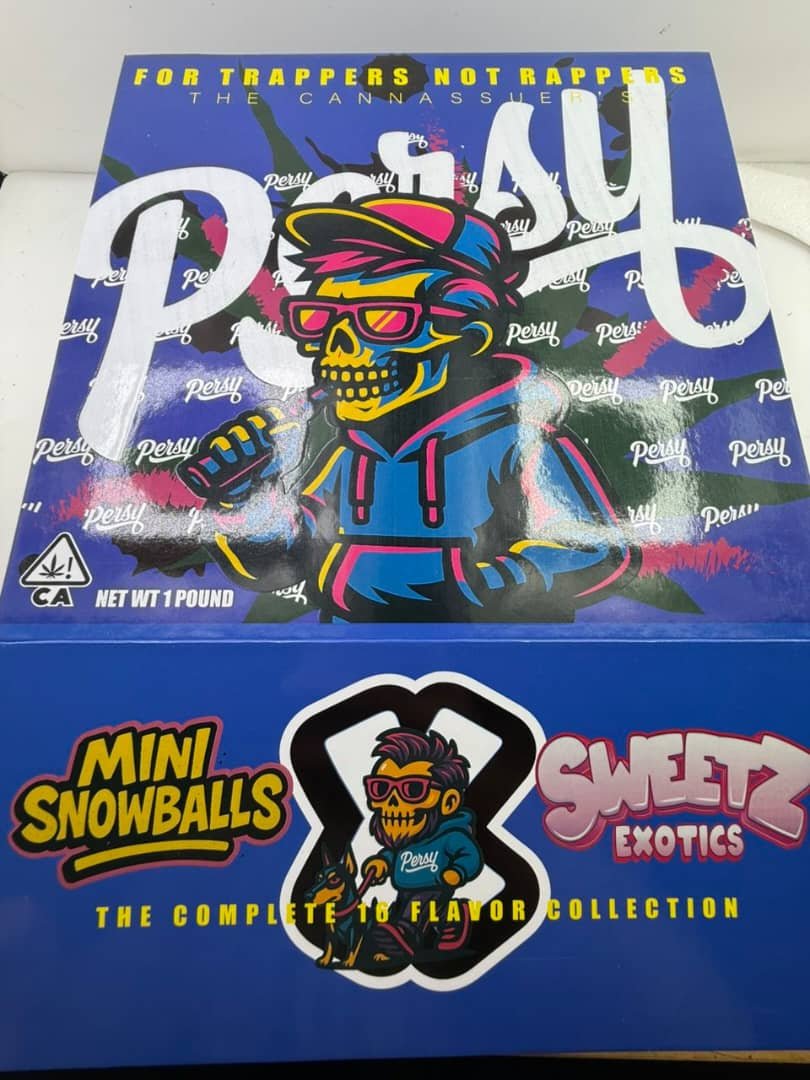
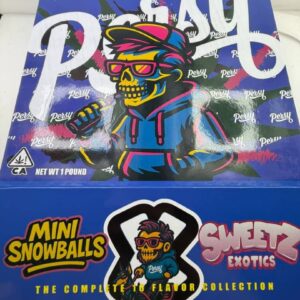
Persy Mini Snowballs packaging can be an information source if the label is readable and connected to the actual item. Useful details include the responsible business, product designation, net contents, batch or lot number, and relevant dates. The producer information should be specific enough to distinguish a legal entity from a decorative brand name. As a jurisdiction-specific example, Health Canada’s label guide identifies manufacturer contact information, lot number, packaging date, and net quantity as important label elements. Their presence would not establish Canadian authorization for this product.
Sweetz Exotics product verification would require consistency across the package, the responsible producer’s records, and the laboratory documentation. A matching product name is helpful but insufficient if the batch identifiers disagree. When a license is claimed, the business details should be checked against the relevant regulator’s records, including the activity and jurisdiction covered. California provides a public business-license search through its Department of Cannabis Control. Such a search can establish a licensing fact; it does not independently prove that a particular package originated from the listed business.
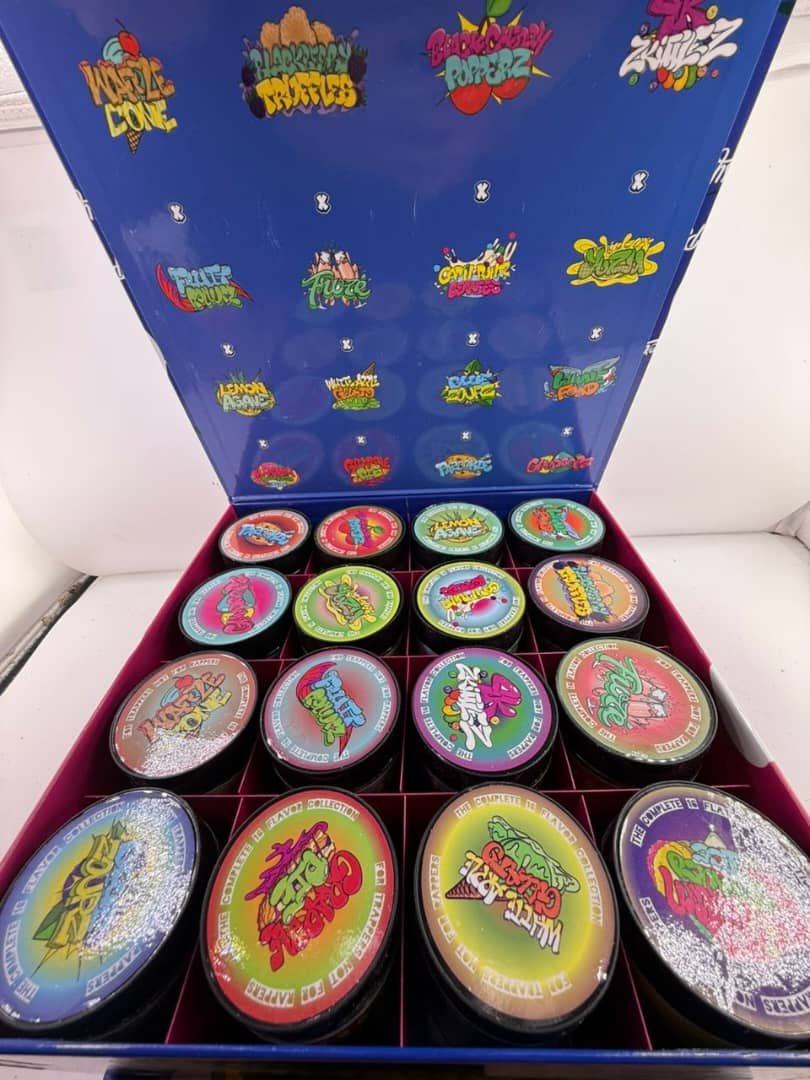
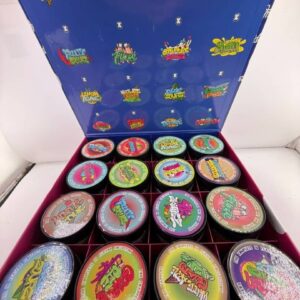
Holograms, seals, logos, barcodes, and elaborate boxes are packaging features rather than independent authentication results. No approved packaging reference or universal package size was established here. A container image also cannot settle whether a listed weight refers to one unit, a multipack, or a larger assortment. Those distinctions should be resolved through the net-content declaration and identifiable product records. If documentation conflicts, the discrepancy should remain visible in the description instead of being silently resolved in favor of the most detailed or appealing claim.
Snowballs vs Moonrocks: Understanding the Terminology
“Snowballs vs moonrocks” is primarily a question about informal product language. Leafly’s category explanation describes moonrocks as flower combined with cannabis oil and kief. That provides a common usage example, not a universal specification. Snowball and snowcap terminology is also used commercially around coated flower, but it cannot establish an ingredient identity or a fixed formula. These terms are useful starting points for asking what a product contains; they are insufficient answers by themselves.
| Term | Commonly used description | Possible composition differences | Naming limitation |
|---|---|---|---|
| Snowballs or snowcaps | Flower marketed around a coated or frosted presentation. | Declared coatings and added materials may differ between products. | The name does not prove THCA isolate, purity, or a particular process. |
| Moonrocks | Commonly described as flower with cannabis oil and kief. | Flower, extract, kief, and their relative amounts may vary. | The familiar description is not a standardized formula or potency guarantee. |
| Coated cannabis flower | A broad description of flower with added exterior material. | The coating must be identified through specific documentation. | It does not name a cannabinoid or establish testing status. |
The comparison should not become a ranking of strength, quality, or safety. Two products sharing a category label may have different documented compositions, while differently named products may have overlapping ingredients. Reliable comparison requires equivalent information: finished-product composition, matching laboratory results, and consistent measurement units. Nothing in these informal terms supports a conclusion that Persy Mini Snowballs must be stronger than moonrocks, less processed, or more predictable. The name identifies a topic for investigation, not a measured performance characteristic.
Cannabis Health Information and Unsupported Claims
General cannabis risks remain relevant even when a particular product is poorly documented. The CDC explains that cannabis can affect memory, attention, decision-making, coordination, and reaction time, and that cannabis smoke can damage lung tissue. Cannabis use can also lead to cannabis use disorder; frequent use and starting young are relevant risk factors. These findings do not establish this product’s potency or a specific individual outcome, but they rule out describing it as inherently harmless because of its appearance or branding.
Cannabis can also cause anxiety, paranoia, or disorientation. The CDC describes associations between cannabis use and psychosis, with stronger associations for earlier initiation and more frequent use. Association should not be rewritten as a claim that every person will experience an outcome. Equally, promotional promises of guaranteed calm, sleep, or relief are unsupported for this product. Neither a cannabinoid percentage nor a category name demonstrates medical effectiveness. An informational description should explain uncertainty without assigning either beneficial effects or a predictable experience.
Pregnancy and breastfeeding present additional concerns: the CDC recommends avoiding cannabis during pregnancy and encourages avoidance during breastfeeding because exposure can reach the developing baby or infant. Health questions involving pregnancy, medications, or an existing condition warrant discussion with a qualified clinician. These general cautions are separate from product authentication. Even complete manufacturing records and a passing contaminant report would not establish that a cannabis product is medically appropriate for an individual. Conversely, missing documentation should not be exaggerated into an unsupported diagnosis of a particular contamination problem.
Product Information Table
This table summarizes the product-specific evidence available for this article. “Not independently verified” means the review did not establish the detail through sufficiently attributable, product-linked documentation.
| Detail | Verified information | Remaining uncertainty |
|---|---|---|
| Brand identity | Not independently verified. | Legal producer, ownership, and any relationship between Persy and Sweetz Exotics. |
| Product format | Not independently verified; the naming suggests the coated-flower category. | Finished-product classification and whether “Mini Snowballs” is an authorized line. |
| Ingredients | Not independently verified. | Flower identity, extracts, additives, and complete composition. |
| Coating | Not independently verified. | Chemical identity, purity, and whether any isolate is present. |
| Package weight | Not independently verified. | Net weight per package, unit count, and assortment structure. |
| Cannabinoid content | Not independently verified. | Batch-specific THC, THCA, other cannabinoids, and reporting basis. |
| Laboratory documentation | Not independently verified. | Authentic COA, laboratory identity, matching batch, dates, and testing scope. |
Persy Mini Snowballs Sweetz Exotics FAQ
| Question | Answer |
|---|---|
| What is Persy Mini Snowballs Sweetz Exotics? | It is a name encountered in commercial cannabis listings. Its apparent connection to coated flower is a tentative interpretation, not a verified ingredient or manufacturing specification. |
| Are Persy and Sweetz Exotics officially connected? | An official relationship was not independently established. Shared naming or an “x” between names does not confirm a collaboration, ownership, or authorization. |
| Is Mini Snowballs a brand or product line? | It appears to function as a product or format designation, but an authoritative record establishing its owner or formal product-line status was not located. |
| Does Persy mean this product is solventless? | No such conclusion is supported. The word alone does not establish extraction methods, rosin content, or affiliation with another company using similar terminology. |
| What are the ingredients? | A complete authenticated ingredient statement was not located. Specific flower strains, extracts, coatings, flavorings, and additives should therefore remain unconfirmed. |
| Is the white coating THCA isolate? | That has not been established. A white appearance, product nickname, or photograph cannot chemically identify a coating. Product-specific documentation is necessary. |
| What is its THC or THCA percentage? | No independently verified batch result is available in this review. A figure from another product or edition should not be assigned to this one. |
| What package sizes are available? | No universal package size was independently verified. Net weight must be established for the specific package, with individual units distinguished from assortments or bulk listings. |
| What would credible lab documentation show? | It would identify the laboratory, sample, product type, batch, relevant dates, measured results, and testing scope, with enough information to check its relevance and authenticity. |
| Can a QR code or branded box prove authenticity? | Neither proves authenticity alone. The destination and documents need verification, and their identifiers must match the actual package and accountable producer. |
| How does it differ from moonrocks? | A specific compositional comparison is unavailable. Moonrocks commonly describes flower with oil and kief; “snowballs” does not establish this product’s formula or relative potency. |
| Does a passing COA prove it is safe or medically effective? | No. A COA addresses the sample and tests reported. It does not eliminate cannabis-related health risks or demonstrate clinical effectiveness for a person or condition. |