Loose Ice Caps Weed Strain – Complete Flower, Flavor & Product Guide
Loose Ice Caps Weed Strain is a name consumers may encounter when searching for exceptionally frosty cannabis flower, but understanding what the term means requires an important distinction. “Ice Caps,” also written Ice Capz or Ice Cap, is the established name of a cannabis cultivar associated with Ice Cream Cake and Blue Power genetics. At the same time, the cannabis market increasingly uses ice caps as a product-category term for flower covered or enhanced with cannabinoid-rich material that creates a bright, snow-covered appearance. Because “Loose Ice Caps” may refer to either loose Ice Caps strain flower or loose coated ice-cap flower rather than individually packaged buds, shoppers and product researchers should always identify the exact formulation before assigning genetics, potency, or terpene information.
The established Ice Caps strain is documented as an indica-leaning hybrid bred by Sin City Seeds from Ice Cream Cake × Blue Power. Leafly identifies it as approximately 35% sativa and 65% indica, while Weedmaps describes Blue Power IX2 as part of its genetic background. Those genetics give the traditional cultivar a profile associated with creamy dessert notes, berry character, earthiness, and a heavily frosted appearance.
Modern coated Ice Caps flower, however, can be completely different. Some producers use the term for ordinary or exotic cannabis buds that are finished with THCA isolate, cannabinoid crystals, distillate, kief, or another coating. The strain inside the coating can therefore be Lemon Cherry Gelato, Runtz, Kush, Gelato, fruit-oriented cultivars, or many other varieties. Weedmaps specifically notes that this coated product category should not be confused with the Ice Caps genetic strain.
Understanding this difference is the key to accurately describing Loose Ice Caps Weed.
What Is Loose Ice Caps Weed?
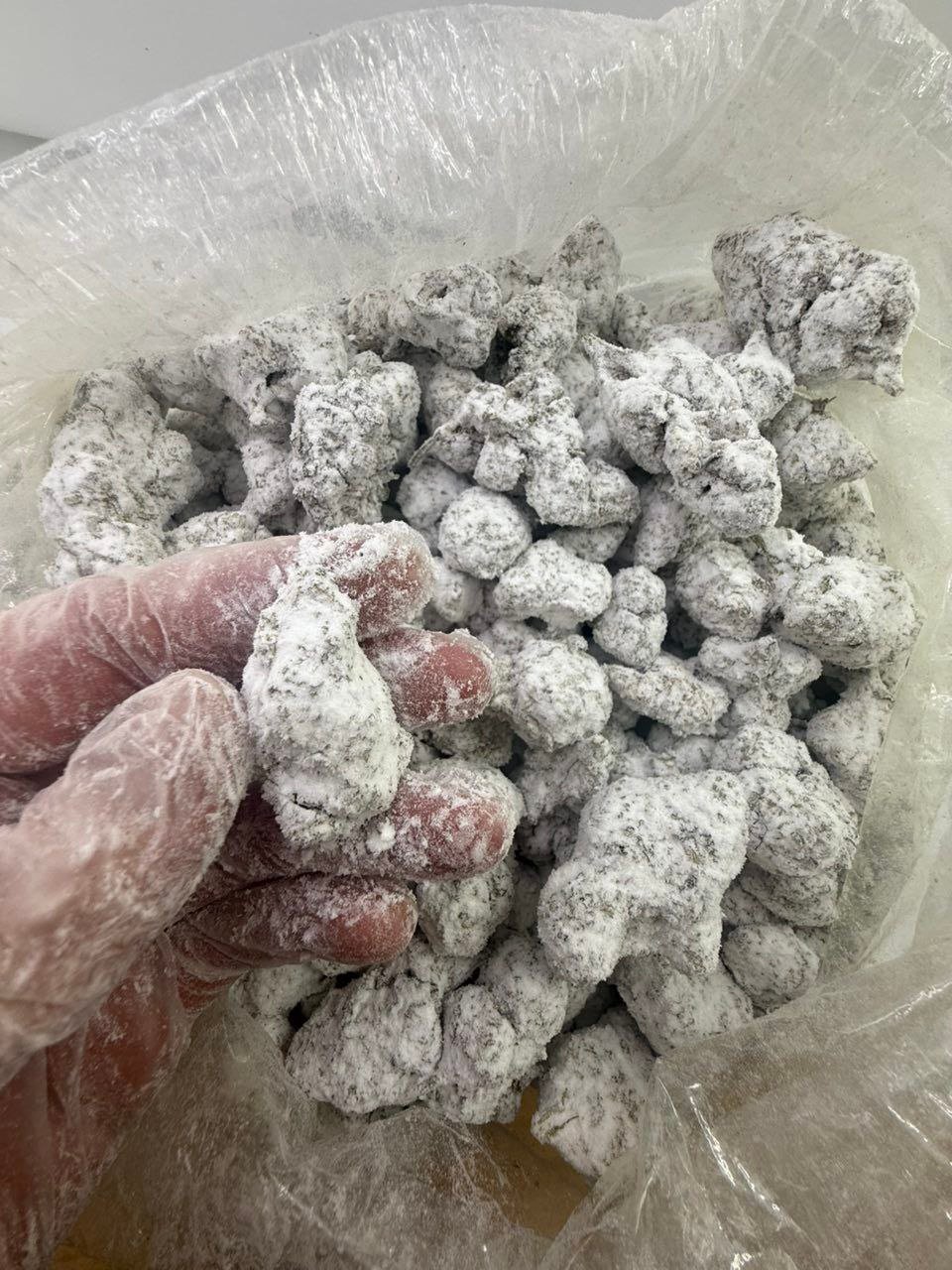
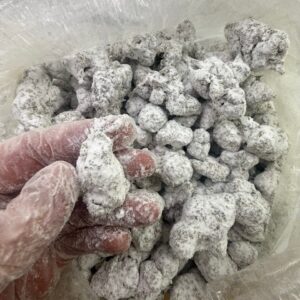
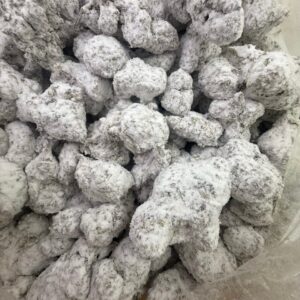
The word loose generally describes the presentation rather than the genetics. Instead of flower sealed into an individual branded eighth, jar, or pre-roll, loose Ice Caps may refer to buds offered together in a larger flower format.
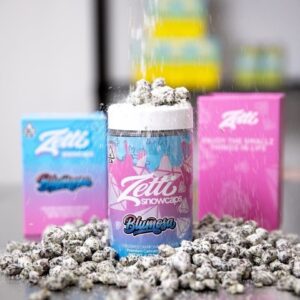
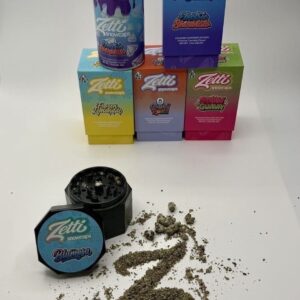
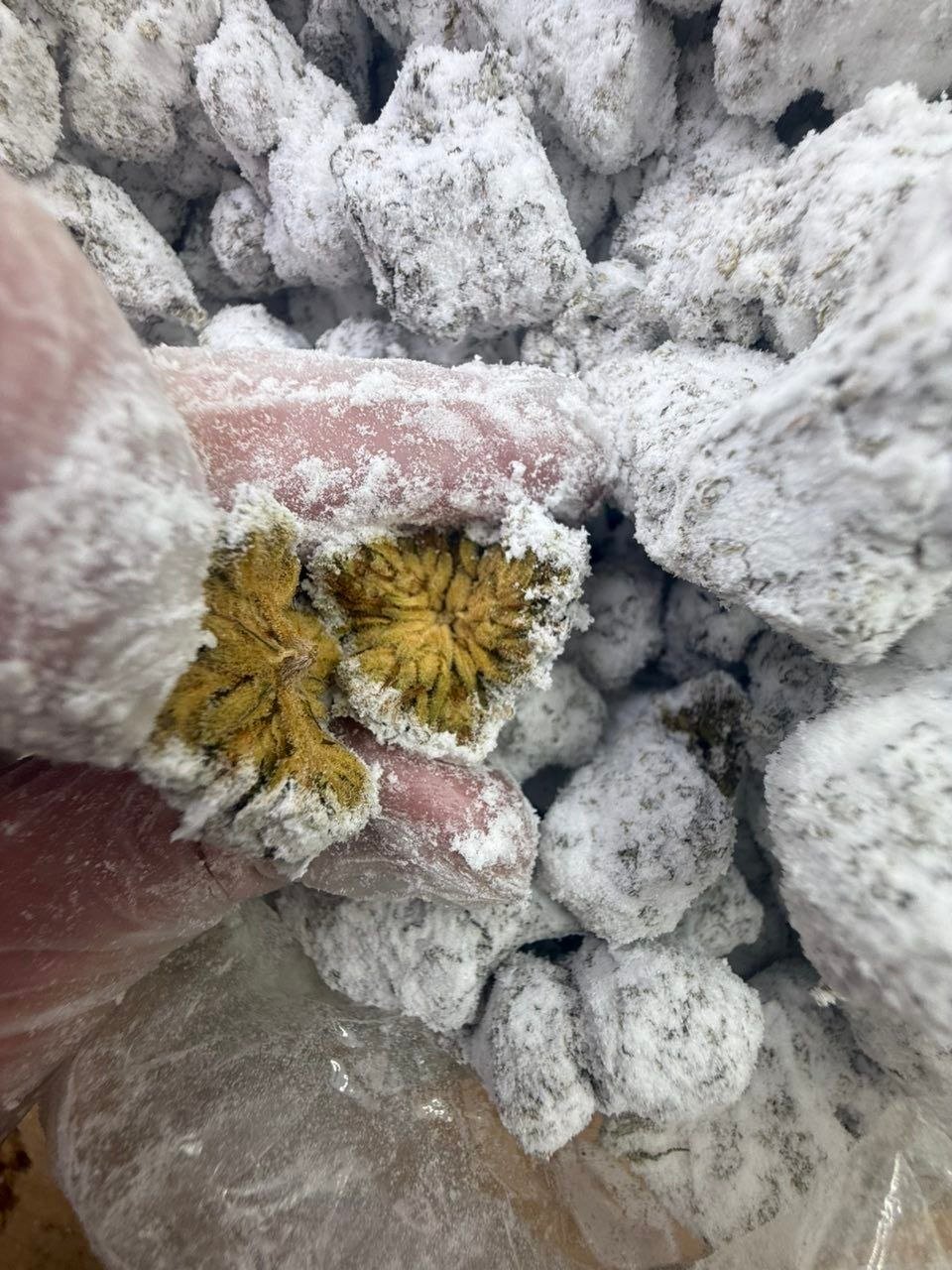
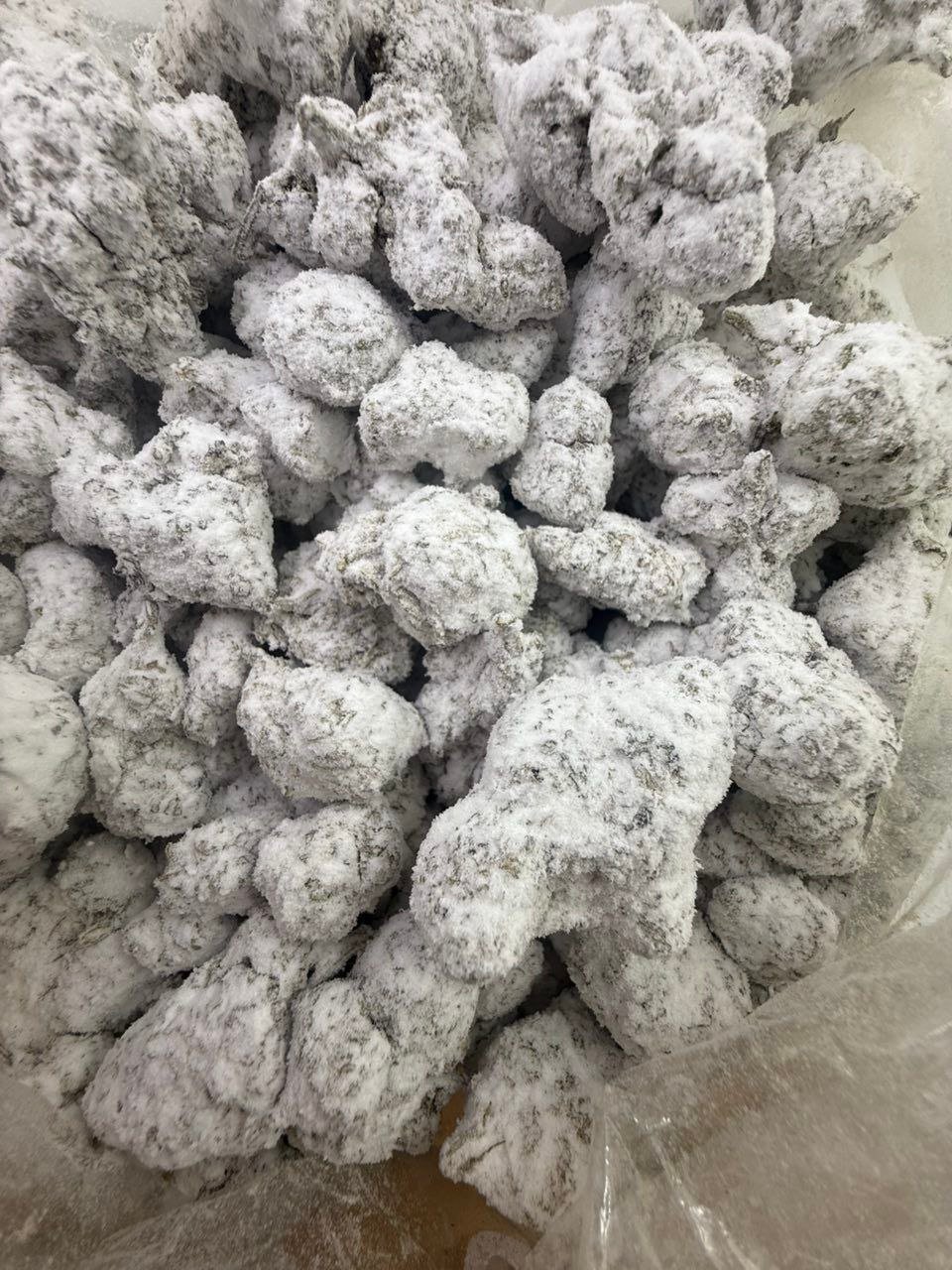
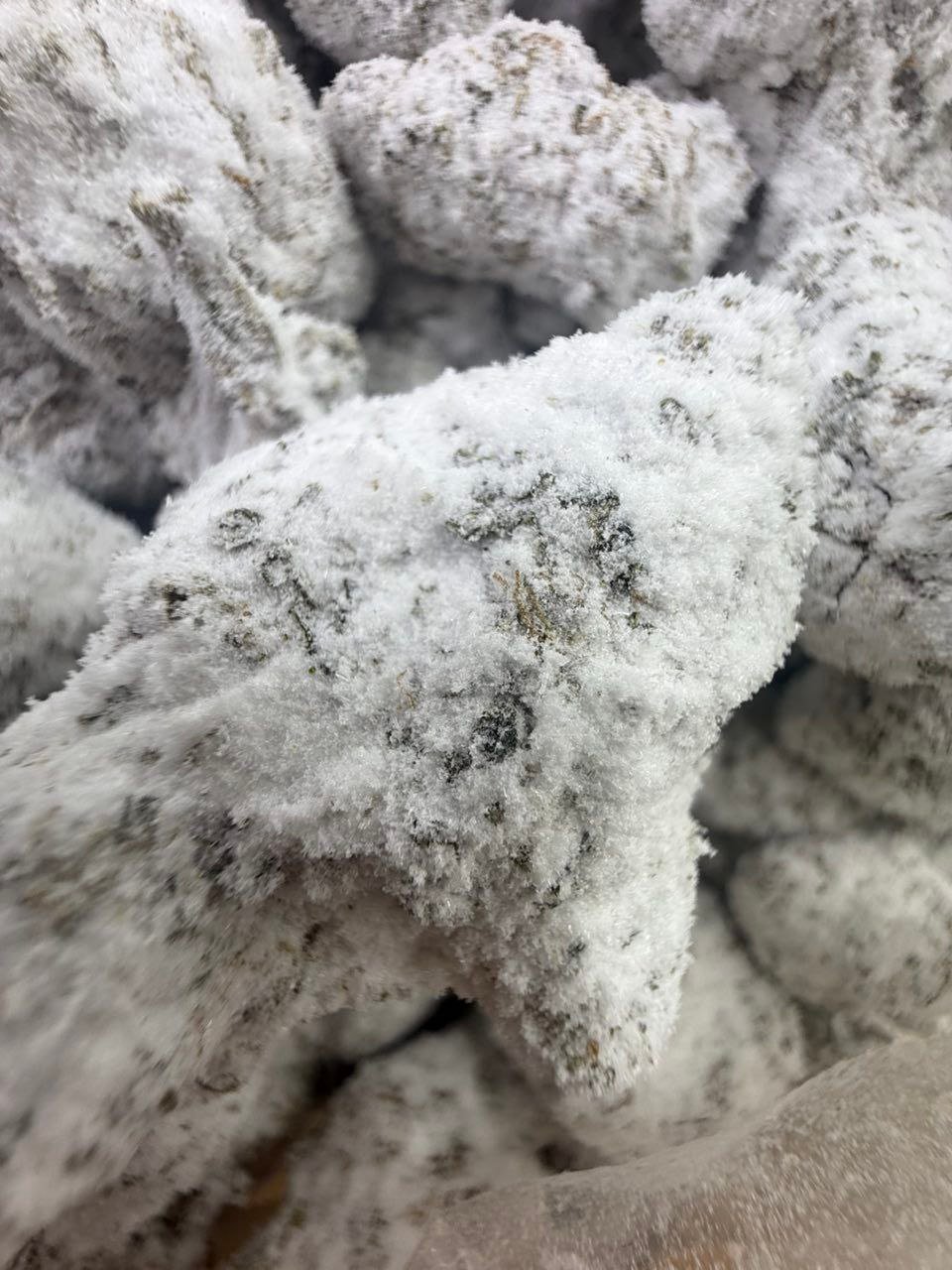
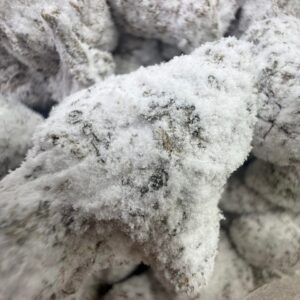
When the term refers to coated ice-cap flower, the product usually has an unmistakably pale or snowy exterior. The coating can partially obscure the natural green, purple, orange, and amber coloration of the underlying buds. Depending on the producer, the material used on the exterior can be THCA crystals, isolate, fine kief, or another cannabinoid-containing ingredient.
Some current producers describe Ice Caps as cannabis flower coated with crystalline THCA, while others describe versions created with flower, distillate, and a fine kief layer. This variation demonstrates why “Ice Caps” is not one standardized manufacturing recipe when the term is being used as a coated-flower category.
Therefore, a responsible product description should identify whether a particular Loose Ice Caps product is:
Traditional Ice Caps strain flower,
THCA-coated flower,
Kief-coated flower,
Distillate-infused flower,
or another infused formulation.
Without that information, it is impossible to accurately assign one potency, ingredient list, or genetic background to every Ice Caps product.
Ice Caps Strain Genetics
When discussing the actual Ice Caps weed strain, the documented genetic story is much clearer.
Ice Caps is commonly identified as a cross between:
Ice Cream Cake × Blue Power
Leafly lists the strain as a 65% indica / 35% sativa hybrid and identifies Sin City Seeds as the breeder. Weedmaps similarly describes Ice Caps as an indica-leaning cross between Ice Cream Cake and Blue Power IX2.
Ice Cream Cake is widely associated with creamy dessert-oriented characteristics, while Blue Power contributes another layer of fruit, berry, earth, and resin production to the genetic combination.
The resulting Ice Caps cultivar is known for its conspicuous trichome coverage, which makes the name particularly appropriate even before the separate coated “ice caps” product category is considered.
Because strain names can sometimes be used by more than one cultivator, however, consumers should still confirm genetics from the producer when buying flower marketed under the Ice Caps name.
Ice Caps vs Ice Capz
Ice Caps, Ice Capz, and Ice Cap may all be used as names for the same Sin City Seeds cultivar.
Leafly lists “Ice Capz” as an alternate name for Ice Caps, and Weedmaps similarly recognizes the aliases.
The spelling alone therefore does not necessarily indicate a different strain.
The more important distinction is whether the seller is using Ice Caps as a cultivar name or as a descriptive term for coated flower.
For a product page, this distinction should be made close to the beginning so consumers understand exactly what type of flower they are researching.
Why Does Ice Caps Flower Look So White?
The characteristic frosted appearance can originate from two very different sources.
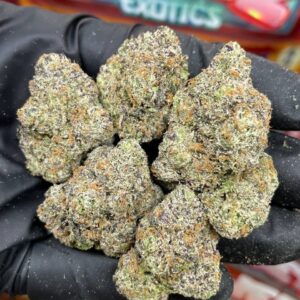
Traditional Ice Caps strain flower can naturally develop substantial trichome coverage. Trichomes are resinous structures on cannabis flower that can give mature buds a sparkling or icy appearance.
Coated Ice Caps products go considerably further. These products may have cannabinoid-rich material added to the outside of the flower, creating a dramatically white or powdered appearance.
Current sellers of coated Ice Caps describe products finished with materials such as crystalline THCA, distillate, isolate, or fine kief.
This means a snow-white exterior should not automatically be interpreted as naturally occurring trichomes.
If the buds appear completely covered in white powder, consumers should inspect the label to identify what material has actually been added.
Loose Ice Caps Appearance
Visually, Loose Ice Caps flower can be one of the more distinctive products within the modern infused-flower category.
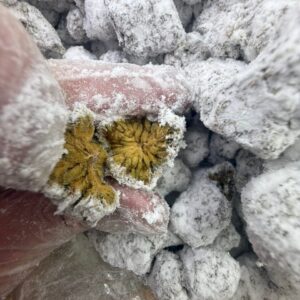
Natural cannabis buds typically display shades of green along with orange or amber pistils, occasional purple coloration, and visible resin glands. Once an ice-cap coating is applied, much of this natural coloration can become hidden beneath an off-white or snow-like surface.
The coating can create several visual characteristics:
A powdered exterior,
bright white or pale crystalline coverage,
dense-looking flower structure,
visible crystals around the container,
and contrasting darker flower when the bud is broken open.
Not every Ice Caps product should look identical. The underlying strain, coating material, manufacturing process, handling, and storage conditions can all affect appearance.
Consumers should therefore avoid treating extreme whiteness by itself as evidence of quality or potency.
Ice Caps Aroma
The aroma depends heavily on whether the product is the established Ice Caps cultivar or a coated flower made from another strain.
Traditional Ice Caps strain references describe a combination of cream, vanilla, blueberry or berry-like fruit, earth, and Kush-style characteristics. Weedmaps describes a creamy cake profile with herbal Kush elements, while other strain references mention sweet vanilla and blueberry qualities.
That combination gives the genetic Ice Caps cultivar a dessert-oriented personality without making it purely sugary.
A properly preserved batch may offer creamy sweetness first, followed by berry, earth, herbs, and deeper cannabis aromas.
However, when “Loose Ice Caps” refers to coated flower rather than the Ice Caps cultivar, the aroma follows the underlying strain and coating formulation.
A Lemon Cherry Gelato Ice Cap, for example, should not be expected to smell like a traditional Ice Cream Cake × Blue Power Ice Caps cultivar.
That is why the underlying strain name should always appear in detailed product specifications.
Ice Caps Flavor Profile
Traditional Ice Caps is commonly described with a rich combination of:
Creamy vanilla – dessert-style sweetness inherited from its genetic background.
Berry notes – blueberry or darker fruit characteristics can appear in strain descriptions.
Earthiness – grounding cannabis notes underneath the sweeter profile.
Herbal Kush – a deeper herbal character that can contrast against the creamier elements.
Individual harvests can vary significantly.
Terpene expression is influenced by phenotype, cultivation environment, harvest timing, drying, curing, and storage. Even flower grown from the same genetics can show noticeable variation between producers.
For coated Loose Ice Caps products, flavor may also be influenced by added concentrates, terpenes, kief, or isolate.
Therefore, a category page should describe flavor as strain- and batch-dependent rather than promising that every Ice Caps product tastes identical.
Is Loose Ice Caps a Strain or an Infused Flower?
It can refer to either.
This is one of the most important questions surrounding the term.
Ice Caps / Ice Capz strain:
A documented hybrid associated with Ice Cream Cake × Blue Power genetics.
Ice Caps coated flower:
A modern infused or coated-flower format in which cannabis buds receive an external cannabinoid-rich coating.
Weedmaps directly distinguishes the Sin City Seeds Ice Caps strain from separate products using the same Ice Caps terminology for coated buds.
The word loose does not resolve the distinction. It generally describes how the flower is presented.
For accurate ecommerce categorization, a loose coated flower product would be better titled something like:
Loose THCA Ice Caps Flower
or
Loose Ice Caps – Cannabinoid-Coated Cannabis Flower
while the genetic cultivar can be titled:
Ice Caps / Ice Capz Weed Strain – Ice Cream Cake × Blue Power
This helps prevent two different products from being confused.
Ice Caps THC and THCA Percentage
There is no universal potency percentage for everything sold under the Ice Caps name.
For the established genetic strain, Leafly currently lists Ice Caps at approximately 20% THC, while AllBud references a range around 20–22% THC. These figures are strain-reference averages or reported examples—not guaranteed laboratory results for every harvest.
Coated Ice Caps products can be considerably different because additional cannabinoid-containing material may be present.
Some current sellers advertise coated products at cannabinoid concentrations substantially above ordinary flower. However, those numbers belong only to the specific tested formulations and should never be copied onto unrelated Loose Ice Caps products.
The correct way to list potency is:
THC/THCA: See current batch laboratory results.
Total cannabinoids: Batch dependent.
Added cannabinoid material: Confirm individual formulation.
This provides much more accurate information than assigning one dramatic percentage to every package.
Why Batch Testing Matters
Potency claims surrounding Ice Caps can be particularly confusing because sellers may be discussing completely different types of products.
One seller might be offering natural Ice Caps strain flower around conventional flower potency.
Another may sell flower coated with THCA isolate.
A third may use a combination of distillate and kief.
Those products cannot share one meaningful potency number.
A current certificate of analysis, or COA, can provide information such as cannabinoid concentrations, sample identification, testing date, laboratory information, and potentially contaminant testing depending on applicable regulations.
When reviewing a COA, the batch or lot number should correspond to the package being examined.
A laboratory report for another strain, another production date, or another manufacturer does not establish the composition of the current flower.
Loose Ice Caps vs Snow Caps
The terms Ice Caps and Snow Caps are sometimes used similarly in the cannabis marketplace, particularly when referring to coated flower.
Both can describe buds with a noticeably white or crystalline appearance.
However, there is no universally standardized industry recipe requiring every product carrying either name to contain the exact same ingredients.
One Snow Caps producer may use isolate. Another may use diamonds or another cannabinoid material. An Ice Caps manufacturer may use a different coating process entirely.
For this reason, shoppers should focus on the ingredient and manufacturing information rather than assuming product composition from the name alone.
Ice Caps vs Moonrocks
Ice Caps can also be confused with moonrocks, but the products are not necessarily identical.
Traditional moonrocks are generally described as cannabis flower covered with cannabis oil or concentrate and then coated in kief.
Some modern Ice Caps use a similar multi-layer concept, while others use a lighter crystalline THCA coating.
One current producer describes its Ice Caps as flower dipped in distillate and dusted with fine kief, whereas another describes the category specifically as flower enhanced with a crystalline THCA layer.
This shows why the manufacturer’s formulation is more informative than the marketing name.
Loose Ice Caps vs Regular Flower
Regular cannabis flower typically consists of dried and cured buds without an external cannabinoid coating.
Coated Ice Caps can add another ingredient or layer to that flower.
That difference affects several aspects of the product:
Appearance: coated flower may look significantly whiter.
Cannabinoid concentration: additional cannabinoid material can change laboratory results.
Texture: coated flower may feel more powdery, sticky, dense, or brittle depending on formulation.
Aroma: the underlying strain and any added terpene material can influence smell.
Identification: coated buds may hide the natural appearance of the flower underneath.
Regular flower can therefore be easier to assess visually, whereas coated products require more attention to labeling and ingredient information.
Terpenes in Ice Caps
A fixed terpene profile should not be assigned to all Loose Ice Caps products.
In the established Ice Caps strain, creamy, berry, earthy, and herbal aromas suggest a complex terpene expression. However, exact dominant terpenes should come from batch-specific analytical testing.
Terpenes are highly sensitive to cultivation, curing, storage, and processing.
Coated Ice Caps introduce another variable. If the underlying flower is a different cultivar, its naturally occurring terpene profile may be completely different from traditional Ice Caps genetics.
Some producers may also add terpene-containing concentrates or aromatic materials.
A detailed listing should therefore include:
Underlying strain: when known
Dominant terpenes: from laboratory testing
Total terpene percentage: when available
Added terpenes: yes/no, when disclosed
This gives consumers considerably more useful information than simply calling the product “terpene rich.”
Loose Ice Caps Weed Quality
A heavily frosted appearance can attract attention, but appearance alone should not determine quality.
Important factors include:
Flower freshness,
batch traceability,
accurate labeling,
appropriate moisture,
aroma,
ingredient transparency,
cultivation information,
laboratory testing,
and storage conditions.
With coated flower, the quality of the flower underneath matters just as much as the coating itself.
A thick white exterior can make it difficult to visually evaluate the base bud. That makes traceability and manufacturing transparency especially important.
Consumers should know both what the flower is and what has been added to it.
Loose Ice Caps Real or Fake
Searches for Loose Ice Caps real or fake can involve two different questions.
First, consumers may want to know whether a product actually contains the ingredients claimed on the package.
Second, they may be trying to determine whether it comes from the producer named on its branding.
Packaging alone cannot resolve either question.
Useful verification information can include:
Batch or lot number,
producer information,
net weight,
ingredient disclosure,
cannabinoid results,
packaging date,
regulatory labeling where required,
laboratory identity,
and a matching COA.
A QR code can be helpful when it leads to genuine batch documentation, but a QR code that merely opens a homepage does not establish laboratory testing.
How to Store Loose Ice Caps Flower
Storage conditions can influence both traditional flower and coated products.
Cannabis should generally be protected from prolonged direct light, unnecessary heat, excessive air exposure, and unsuitable moisture conditions.
Loose products may require particular attention because a larger quantity can remain open for longer than an individually sealed small package.
The original storage instructions provided by the manufacturer should take priority.
Coated products can also behave differently from ordinary flower, so preserving the original container and product label can be useful for maintaining identification and storage information.
Ice Caps Reported Effects
Consumer strain databases describe the established Ice Caps cultivar using terms including energetic, creative, happy, cerebral, social, calming, relaxed, and related experiences. However, Leafly’s current data is based on a relatively small number of user reports.
These should be treated as reported experiences rather than guaranteed effects.
Cannabis response can differ based on cannabinoid composition, serving amount, individual tolerance, experience, and other factors.
Additionally, those reports concern the Ice Caps cultivar and should not automatically be applied to unrelated flower coated and sold as an “Ice Caps” product.
If Loose Ice Caps uses another strain underneath, the consumer experience may differ substantially.
Loose Ice Caps Product Overview
Product Name: Loose Ice Caps Weed
Possible Category: Cannabis flower or cannabinoid-coated cannabis flower
Traditional Ice Caps Genetics: Ice Cream Cake × Blue Power
Breeder of Traditional Cultivar: Sin City Seeds
Strain Type: Indica-leaning hybrid
Appearance: Naturally frosty for the cultivar; coated versions can have a dramatically white crystalline exterior
Traditional Flavor Direction: Cream, vanilla, berry, earth and herbal Kush
THC/THCA: Batch dependent
Coating: Depends on product; may include THCA isolate, kief, distillate or another formulation
Package Format: “Loose” generally indicates non-individualized or larger-format flower presentation
Terpenes: Batch and cultivar dependent
Testing: Verify using the corresponding batch documentation
Frequently Asked Questions About Loose Ice Caps Weed
What is Loose Ice Caps Weed?
The name can refer to loose flower from the Ice Caps/Ice Capz strain or to loose cannabis buds enhanced with an external cannabinoid coating. The package should identify which product type is being sold.
Is Ice Caps a real weed strain?
Yes. Ice Caps, also known as Ice Capz, is documented as an indica-leaning hybrid created from Ice Cream Cake × Blue Power genetics by Sin City Seeds.
Are Ice Caps and Snow Caps the same?
Not necessarily. Both terms are used for frosted or coated cannabis products, but manufacturing methods and ingredients vary by producer.
Why is Ice Caps weed white?
Traditional Ice Caps can look frosty because of natural trichomes. Coated Ice Caps products may be white because THCA isolate or another crystalline material has been added to the exterior.
Is Loose Ice Caps THCA flower?
Some modern Ice Caps products are marketed as THCA-coated flower, but the term itself does not guarantee that formulation. Always check the specific product label.
What does Ice Caps smell like?
The traditional cultivar is associated with creamy cake, berry, vanilla, earthy, and herbal Kush characteristics. Coated Ice Caps using a different underlying strain can have a completely different aroma.
What is the THC percentage of Ice Caps?
Traditional strain databases currently reference roughly 20–22% THC for the Ice Caps cultivar, but actual harvests vary. Coated Ice Caps products may have very different cannabinoid results.
Is Ice Caps indica or sativa?
The established Ice Caps cultivar is generally described as an indica-leaning hybrid, around 65% indica and 35% sativa in major strain databases.
Is Ice Caps the same as Ice Capz?
Yes, Ice Capz is commonly used as an alternate spelling for the established Ice Caps strain.
Is Ice Caps the same as moonrocks?
Not automatically. Some Ice Caps products use similar coated-flower construction, while others focus specifically on a crystalline THCA coating. The exact ingredients should be checked.
How can Ice Caps authenticity be checked?
Look for producer details, batch identification, ingredient information, net weight, cannabinoid results, compliance labeling where applicable, and laboratory documentation matching the exact batch.
Final Overview
Loose Ice Caps Weed sits at the intersection of two different cannabis naming conventions. On one side is Ice Caps / Ice Capz, the established Sin City Seeds hybrid created from Ice Cream Cake and Blue Power. On the other is the modern Ice Caps coated-flower category, where various cannabis strains can be covered with THCA isolate, cannabinoid crystals, kief, distillate, or similar material to create a bright snow-covered appearance.
That distinction should form the foundation of any accurate Loose Ice Caps product description.
When the product contains the traditional cultivar, consumers can expect the documented genetic background and the creamy, berry, vanilla, earthy, and herbal characteristics commonly associated with Ice Caps. When the name describes a coated product, the underlying strain becomes equally important because it determines much of the flower’s original aroma, genetics, and character.
The most useful Loose Ice Caps listing therefore identifies the underlying cultivar, coating material, net weight, cannabinoid analysis, terpene information, batch number, and producer instead of relying entirely on the dramatic white appearance.
This approach also prevents misleading potency claims. Natural Ice Caps flower and THCA-coated Ice Caps flower are fundamentally different products and should not be assigned the same cannabinoid percentage.