Loose Moonrocks: Understanding Ingredients, Potency, and Product Information
Loose moonrocks are a cannabis product commonly described as flower coated with cannabis concentrate and covered in kief. Their layered composition distinguishes them from ordinary dried buds, while the word “loose” generally describes how individual pieces are presented or measured. It does not establish a particular strain, manufacturing standard, or THC percentage. Understanding this terminology is useful because products carrying similar names can differ substantially in their ingredients, documentation, and cannabinoid content. This guide explains what loose moonrocks are, how to interpret common descriptions, and why verified product information matters more than appearance or promotional claims.
What Are Loose Moonrocks?
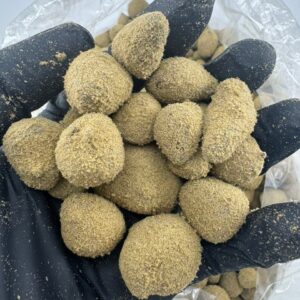
Cannabis moonrocks typically combine three components: a flower bud, an outer layer of cannabis concentrate, and a coating of kief. The resulting piece often has a rounded, uneven appearance that partly conceals the underlying flower. “Moonrocks” is a descriptive product term rather than the name of one standardized formulation. Different producers may use different flower varieties, concentrate types, and coatings. Consequently, two products with the same category name may have quite different compositions. The common definition describes their structure, but it does not establish the identity or quality of a particular batch. Leafly’s overview of cannabis moonrocks
The word “loose” usually refers to separate pieces rather than a preformed product such as an infused pre-roll. However, the meaning can vary between descriptions. Loose moonrocks might still be placed inside a sealed, labeled container. The term should therefore not be interpreted as proof that a product is unpackaged, sold in bulk, or supplied without documentation. An accurate description should explain both the physical format and the labeled quantity instead of assuming that readers understand what “loose” means in a particular context.
Loose Moonrocks Ingredients: Flower, Concentrate, and Kief
Cannabis Flower at the Center
The flower forms the central structure of a conventional moonrock. Its identity may be described with a strain name, but that name alone does not reveal the complete composition of the finished product. The surrounding concentrate and kief may come from different source material. A moonrock labeled with a familiar flower name should not automatically be understood as containing only that variety throughout all three layers. Clear ingredient information helps distinguish a documented formulation from a general description based primarily on the flower at its center.
Cannabis Concentrate in the Outer Layer
The concentrate forms an additional component around the flower. Descriptions may use terms such as cannabis oil, hash oil, resin, or distillate, but these terms should not be treated as interchangeable. If a listing names a specific concentrate, supporting product information should establish what was used. Simply describing a moonrock as “infused” leaves important details unanswered. Readers still need to know what the infusion contains and whether any additional ingredients are declared. A textured photograph cannot identify the concentrate or confirm the accuracy of the ingredient description.
Kief on the Surface
Kief consists largely of detached resin glands collected from cannabis plant material. It creates the granular coating commonly associated with moonrocks. However, surface appearance is not enough to identify every material present. A pale, sandy, or crystalline exterior should not automatically be described as pure kief without supporting information. Other coated cannabis products may look similar while using a different formulation. Product names, ingredient declarations, and relevant testing should agree with one another before a precise claim is made about the outer layer.
Loose Moonrocks vs. Regular Cannabis Flower
The main distinction between loose moonrocks and regular cannabis flower is composition. Ordinary flower consists of the harvested bud itself, while conventional moonrocks include added concentrate and kief. This means a moonrock is a combined product whose characteristics depend on several components. Information about the starting flower does not fully describe the finished piece. A photograph of the original bud, for example, cannot establish the final cannabinoid profile after other materials have been added.
This difference also matters when interpreting weight. A labeled gram of finished moonrocks includes the flower and its coatings; it should not be described as a gram of flower plus an unspecified amount of additional material. Similarly, comparing products by appearance can be misleading because coatings change their size and texture. A useful comparison identifies the product format, declared ingredients, net weight, and available batch information. Broad claims that one category is automatically better than another provide little meaningful information.
Loose Moonrocks THC Content and Potency Claims
There is no single THC percentage that applies to all loose moonrocks. The final cannabinoid concentration depends on the materials present and their relative proportions. A percentage associated with one ingredient should not be presented as the potency of the complete product. For example, a concentrate’s laboratory result does not establish the THC content of a finished moonrock containing flower and kief. Claims about finished-product potency should refer to testing that actually represents the finished formulation.
Readers should also avoid adding together the THC percentages of separate ingredients. Percentages describe concentrations within their respective materials, rather than independent quantities that can simply be summed. Three ingredients each carrying a stated percentage do not produce a finished percentage equal to their total. Without reliable information about ingredient proportions and representative testing, a numerical estimate can create false precision. The most responsible description acknowledges an unknown result instead of substituting a familiar number from another product or an unrelated batch.
Understanding Loose Moonrocks Labels
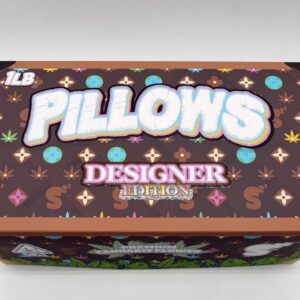
An informative label connects a physical product with an identifiable producer, a specific batch, and a declared quantity. Depending on the jurisdiction and product category, labels may also show cannabinoid information, packaging details, required warnings, and other regulated information. Readers should distinguish the product’s brand name from its factual declarations. A large name or attractive graphic can make a package recognizable, but it does not replace the details needed to understand its contents.
Labeling systems are jurisdiction-specific. For example, Health Canada explains that Canadian cannabis labels include THC and CBD information alongside other prescribed elements. Those requirements should not be presented as a universal checklist for every country or market. Nevertheless, the underlying reading habit is useful: identify the units, understand whether a figure refers to a concentration or total amount, and check which product the information describes. A number without its units or context can easily be misinterpreted. Health Canada’s cannabis label guide
Loose Moonrocks Lab Reports and Certificates of Analysis
A certificate of analysis, often shortened to COA, records laboratory findings for an identified sample. Its relevance depends on whether that sample corresponds to the product being described. A report showing a different product name, an unrelated batch identifier, or only the starting concentrate cannot automatically substantiate claims about the finished moonrocks. The first task is therefore to match the document to the product, rather than focusing immediately on the largest cannabinoid number displayed.
The scope of testing matters as well. A cannabinoid report should not be treated as proof that every possible contaminant was assessed. Readers need to examine which analyses were actually performed and what the results state. Likewise, the presence of a “pass” result should be interpreted within the report’s stated test panel and applicable limits. A laboratory document is evidence with a defined scope; it is not a blanket guarantee about every aspect of a product.
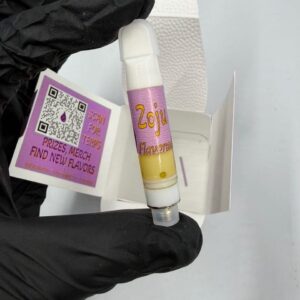
Screenshots and QR codes require context. A QR code is simply a route to information, and a screenshot may omit identifiers, explanatory notes, or additional pages. An accessible report should make it possible to review the laboratory name, sample details, dates, and reported findings together. When those details are missing or inconsistent, the accurate conclusion is that the documentation is incomplete. Missing evidence should not be replaced with assumptions based on packaging quality or a familiar-looking logo.
Loose Moonrocks Appearance, Texture, and Aroma
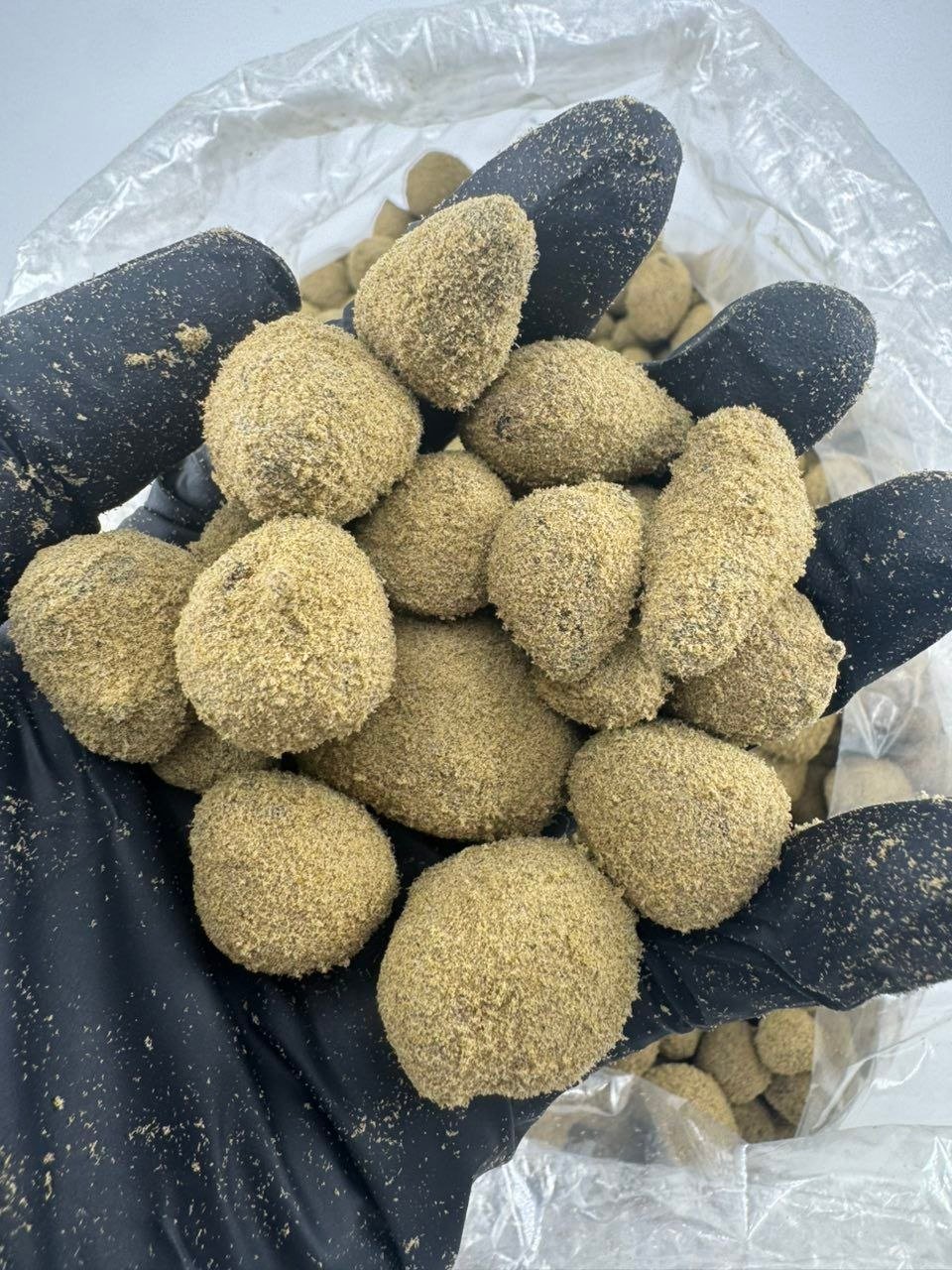
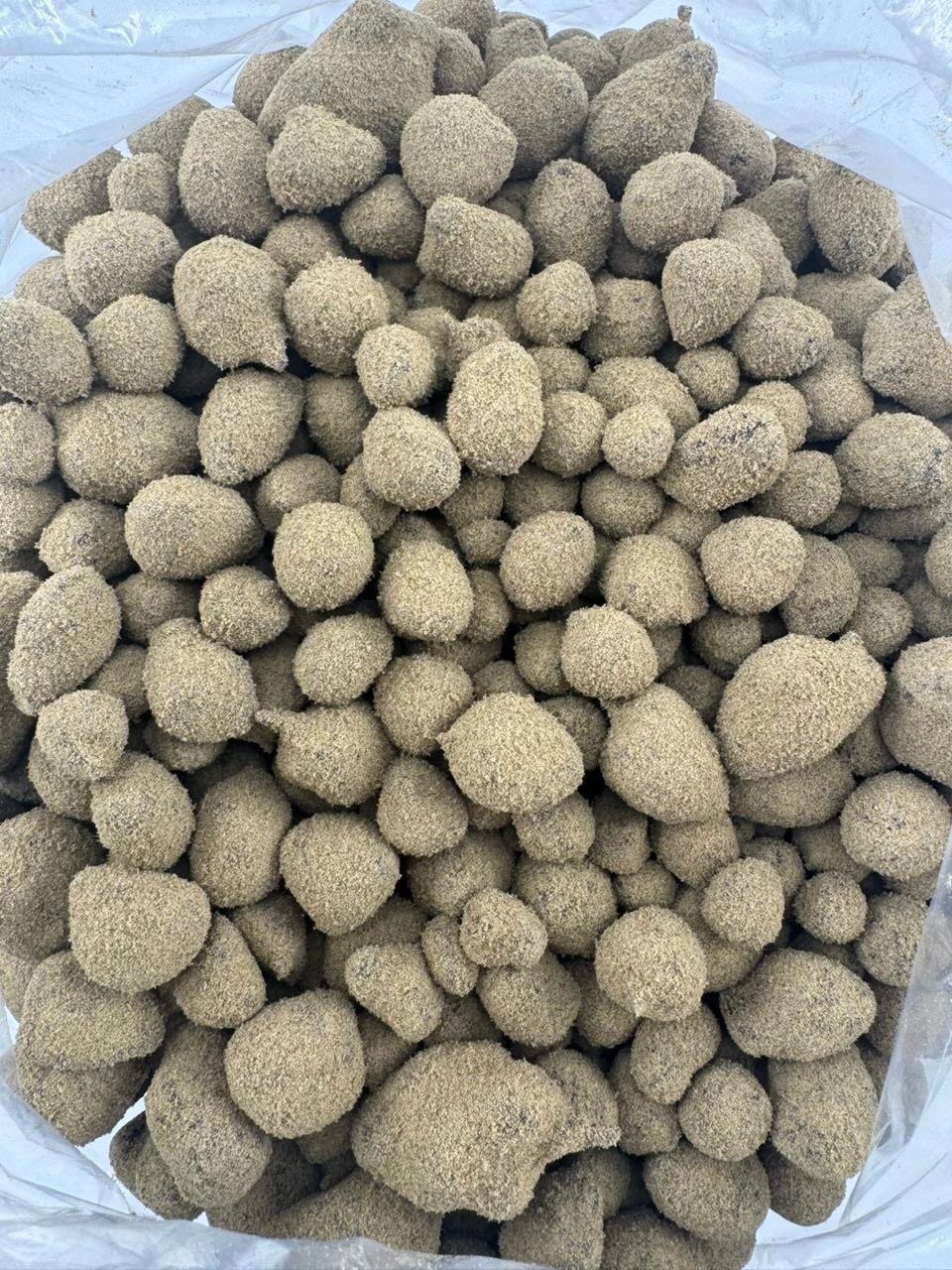
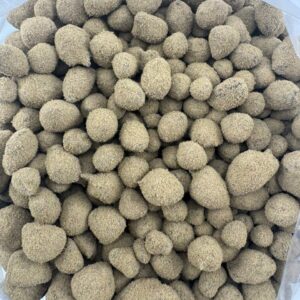
Loose moonrocks can vary in shape, color, surface coverage, and visible texture. These differences may reflect variations in ingredients or presentation, but they cannot independently establish potency, authenticity, or purity. A dense coating does not prove a particular cannabinoid concentration. Similarly, a uniform appearance does not demonstrate that every piece has an identical composition. Visual descriptions are most useful when they remain limited to observable characteristics rather than turning those characteristics into unsupported performance claims.
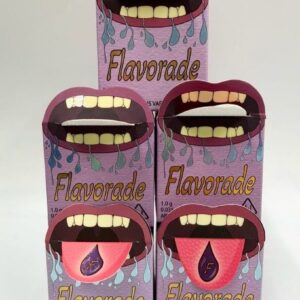
Aroma descriptions have similar limitations. Words such as earthy, citrus-like, herbal, or sweet describe sensory impressions, not verified ingredient lists. A scent alone cannot establish a specific terpene concentration or confirm the absence of added flavoring. Photographs and descriptions can help readers recognize a product format, but they should be paired with factual documentation where available. Neither a photograph nor an online aroma description can resolve questions about contamination or the identity of an unknown coating.
Strain Names and Flavored Moonrocks
Strain names may appear in loose moonrocks descriptions, but a name does not explain every component of the finished product. If the flower, concentrate, and coating originate from different materials, referring to the whole product by one strain name may leave important information unclear. Transparent descriptions explain what the name refers to. They should also avoid suggesting that a strain label guarantees a particular mood, level of impairment, or individual response.
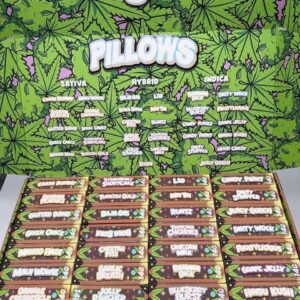
Flavor names require equally careful wording. A fruit or dessert name might describe a perceived aroma, a product line, or a declared flavoring ingredient. Those possibilities are different, and readers should not have to guess which meaning applies. Where added ingredients are documented, the description should accurately reflect them. Where information is unavailable, an imaginative flavor name should remain a name rather than becoming a factual claim about composition. The same principle applies to labels such as “natural” or “pure.”
Loose Moonrocks and Cannabis Health Risks
Loose moonrocks should not be described as risk-free because they contain plant-derived ingredients. Cannabis products containing THC can affect perception, thinking, coordination, and mood. Unwanted effects can include anxiety or paranoia, and cannabis use can lead to cannabis use disorder. Individual responses vary, so a product description cannot promise a predictable experience for everyone. Claims such as “guaranteed relaxation” or “no unwanted effects” go beyond what a category name or laboratory potency figure can establish.
Health information should remain separate from promotional language. Loose moonrocks are not a standardized medical treatment, and a product name does not substantiate claims about treating pain, insomnia, anxiety, or another condition. THC can impair driving and equipment operation. People seeking advice about cannabis and a medical condition should discuss their circumstances with a qualified healthcare professional, particularly when other medicines are involved. Product descriptions should communicate uncertainty honestly instead of presenting higher potency as a health benefit. Health Canada: Health effects of cannabis
Frequently Asked Questions About Loose Moonrocks
Are Loose Moonrocks a Specific Cannabis Strain?
No. Loose moonrocks describe a product format rather than one cannabis strain. The central flower may have a strain designation, but the concentrate and kief can have different origins. A strain name therefore does not fully identify the finished formulation. The ingredient description and batch documentation provide more useful context than the category name alone.
Does “Loose” Mean Moonrocks Have No Packaging?
Not necessarily. “Loose” generally describes separate pieces, but its meaning is not standardized across every description. Those pieces can still be enclosed in a sealed container with a label. Accurate information should state the packaging format and net quantity directly instead of relying on the word “loose” to communicate both.
Do All Loose Moonrocks Have the Same THC Percentage?
No. There is no universal THC figure for this category. Differences in ingredients and their proportions can produce different results. A percentage should be attributed to the relevant tested batch, not borrowed from a general article, another producer, or a laboratory report covering only one component.
Are Moonrocks and Other Coated Cannabis Products Identical?
Not automatically. Similar-looking products can contain different coatings or concentrate types. Terms such as moonrocks, infused flower, and other branded category names may overlap in casual usage without describing identical formulations. The useful question is what ingredients are documented, rather than whether two products share a similar appearance.
Can You Verify Loose Moonrocks From a Photograph?
A photograph can show shape, color, and visible coating, but it cannot confirm chemical composition, laboratory findings, or the source of the ingredients. Images should be treated as visual references. Verification requires relevant documentation that matches the product and the specific claims being made about it.