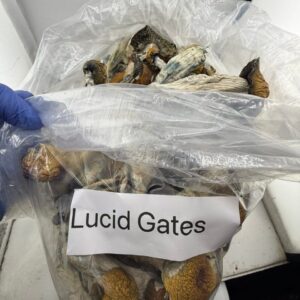
Lucid Gates Mushroom: Background, Characteristics, Research, and FAQs
Lucid Gates mushroom is a name found in online discussions about psychedelic mushrooms. People searching for the term often want to understand its background, reported characteristics, potency, and relationship to other named mushroom varieties. However, finding a recognizable name online is different from finding a scientifically documented variety. Publicly accessible information about Lucid Gates consists largely of community discussion rather than a comprehensive body of independent research. Understanding that distinction helps readers evaluate descriptions without mistaking repeated claims for verified facts.
An informative Lucid Gates mushroom guide should explain both what the available information suggests and where uncertainty remains. A name alone cannot confirm the identity, chemical composition, or safety of a particular specimen. Likewise, photographs, personal reviews, and descriptive labels cannot establish a consistent experience. This article examines the terminology surrounding Lucid Gates, explains how to assess common claims, and places discussions of psychedelic mushrooms within the broader context of scientific evidence.
What Is Lucid Gates Mushroom?
Lucid Gates appears as a community-used name in psychedelic mushroom discussions. In one public discussion, contributors describe it in relation to “Lucid” and “Pearly Gates.” That provides evidence of how some community members use the name, but it does not independently verify a complete genetic history. The careful description is therefore a named mushroom lineage or variety discussed within enthusiast communities, with limited independently established documentation.
Readers should distinguish between evidence that a name exists and evidence supporting every claim attached to it. A discussion thread may establish that people use the term, while leaving its origin, consistency, and biological boundaries unresolved. Describing Lucid Gates as a formally established species, a standardized preparation, or a clinically studied treatment would require additional evidence. Those conclusions cannot reasonably be drawn from informal naming alone.
Lucid Gates Mushroom Background and Reported Lineage
Questions about Lucid Gates mushroom genetics often arise because online mushroom communities use interconnected names for selections and reported crosses. These naming histories may be recorded through personal posts, photographs, and recollections. Such records can be useful historical material, but their reliability depends on who documented the information, how directly they participated, and whether independent records support the account. A confident retelling does not necessarily provide stronger evidence than the original statement.
For Lucid Gates, a responsible background section should present reported relationships as attributed claims. It should not invent an originator, discovery date, geographic origin, or precise parentage when reliable documentation is unavailable. If several websites repeat the same unsupported story, repetition does not transform that story into independent confirmation. Multiple pages may ultimately rely on a single source. Traceable documentation matters more than the number of times a claim appears in search results.
Is Lucid Gates a Species, Strain, or Variety?
The words species, strain, variety, and phenotype are often used loosely in online mushroom descriptions. They do not mean exactly the same thing. A scientific species name belongs to a biological classification system, while an informal variety name may identify material shared within a particular community. The word “strain” can carry more specific meanings in scientific contexts than it does in everyday discussion. Treating these terms as interchangeable can make an article sound more certain than its evidence allows.
For an introductory Lucid Gates mushroom article, “community-named variety” is a cautious description. It communicates that the name is in circulation without implying a universally recognized taxonomic status. A label should not be used to infer that every specimen carrying it is genetically identical. Similarly, a distinctive community name does not demonstrate that its effects differ reliably from all other named mushrooms. Those are separate questions requiring separate evidence.
Lucid Gates Mushroom Appearance and Identification
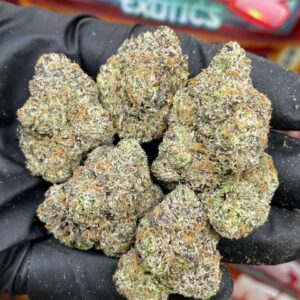
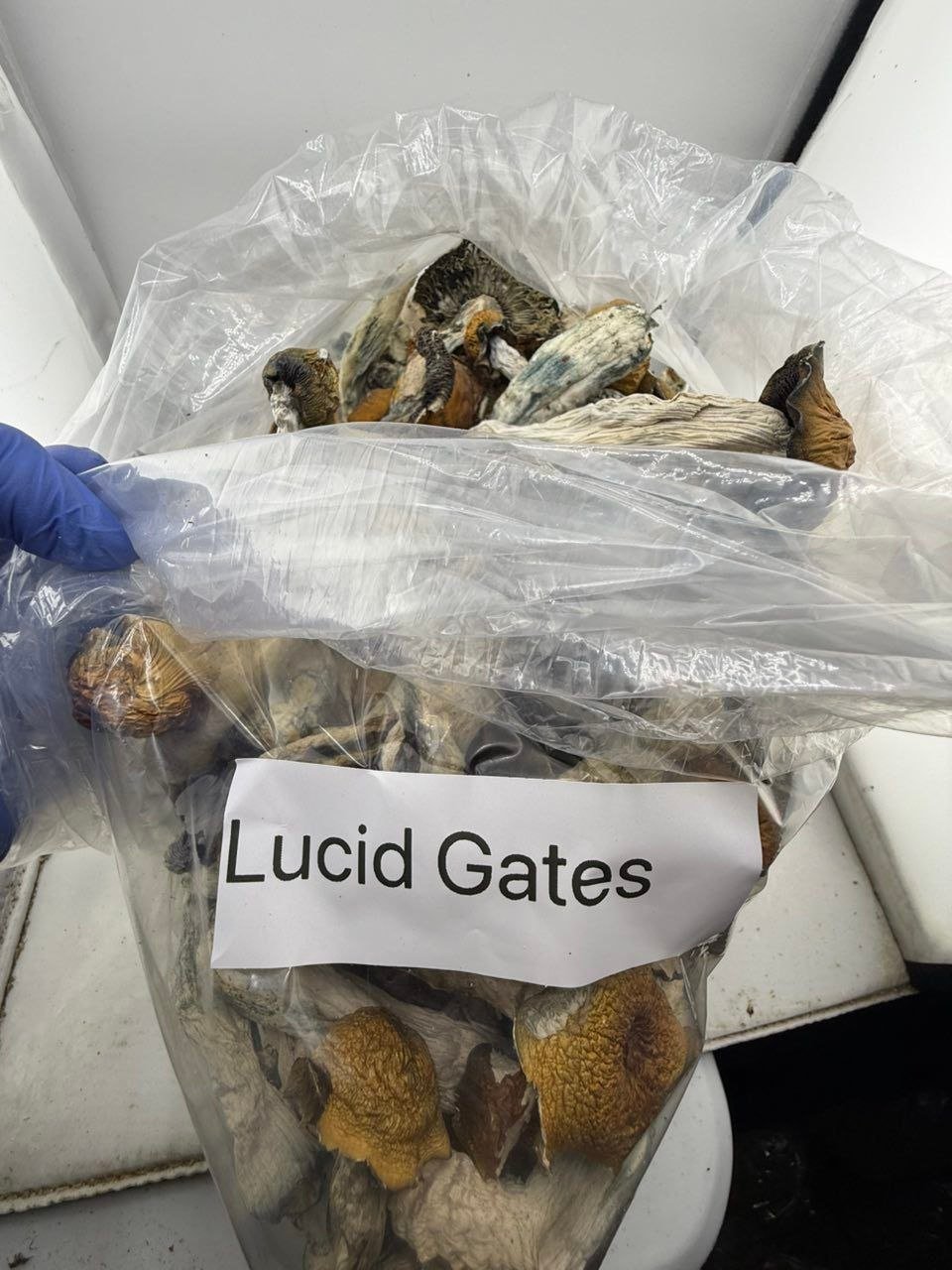
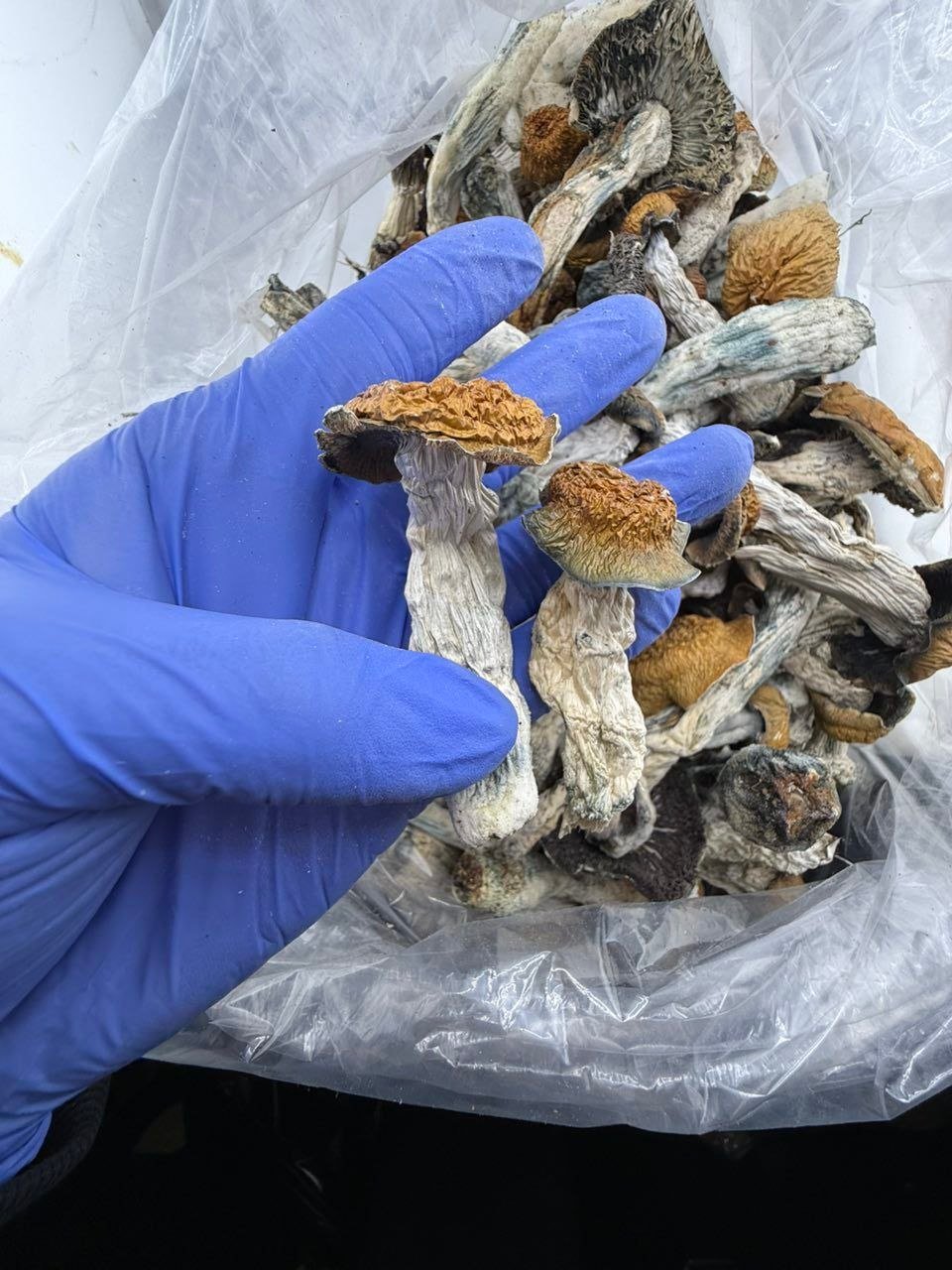
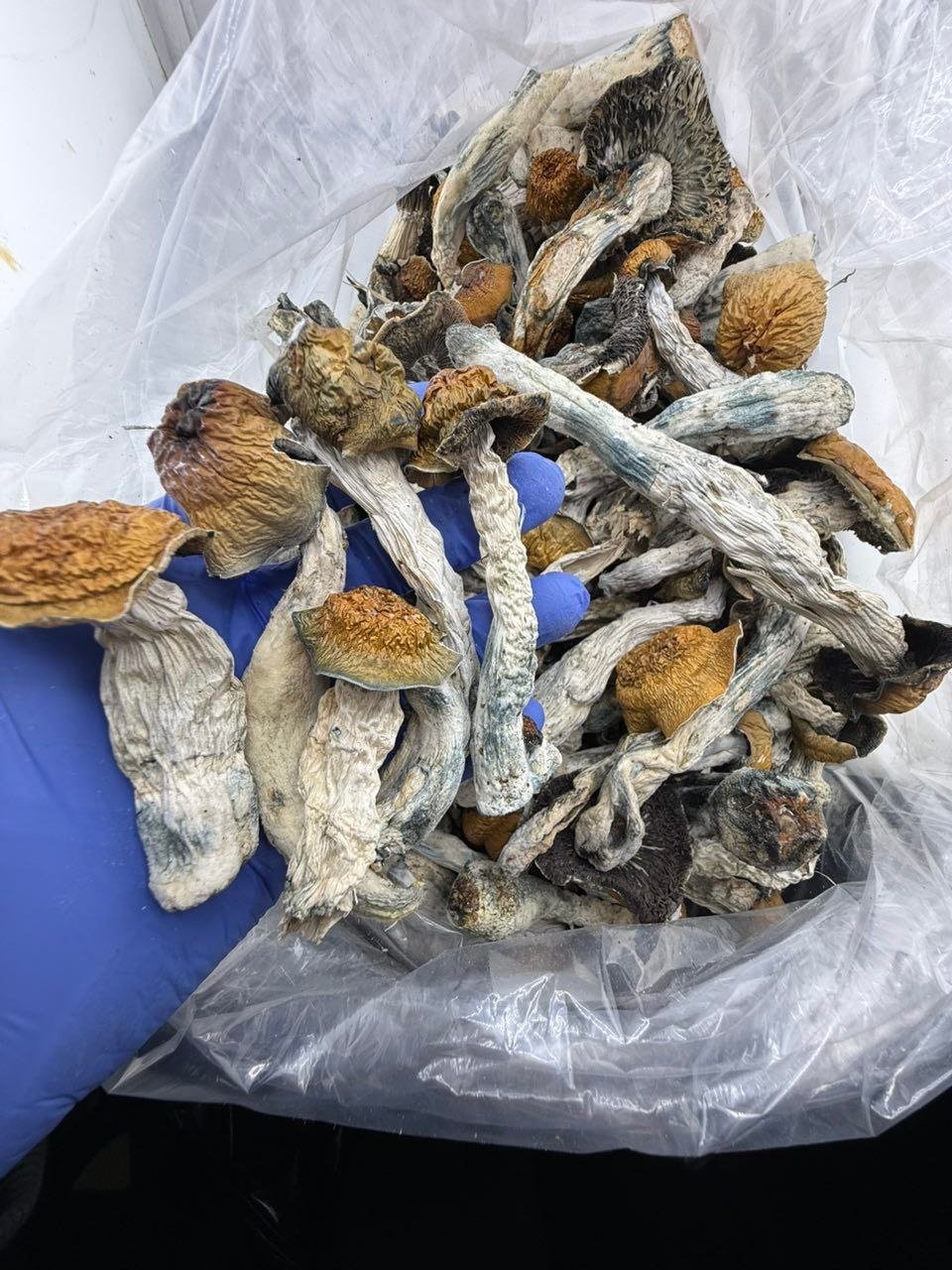
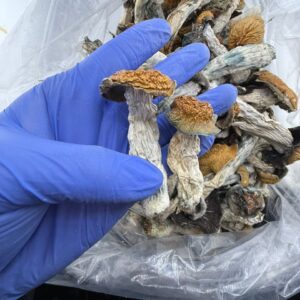
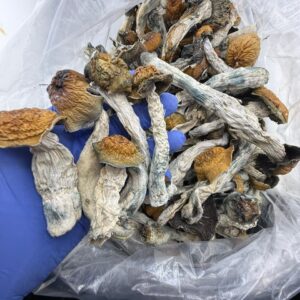
Searches for Lucid Gates mushroom characteristics frequently focus on photographs. Images can document the appearance of a particular specimen, but they cannot establish the identity of every mushroom that resembles it. Color, shape, proportions, and visible surface features must be interpreted in context. Lighting, camera settings, image editing, specimen condition, and the angle of a photograph can also affect what a reader sees. A photograph is a record of appearance, not a chemical analysis or genetic certificate.
An accurate description should therefore avoid presenting a short visual checklist as definitive identification. Statements such as “all Lucid Gates mushrooms have this exact shape” require evidence of consistency across authenticated material. Without that evidence, the description should remain specific to the pictured specimen. The same limitation applies to dried mushrooms, where appearance may provide even less context for evaluating an informal variety name.
Identification also has a separate safety dimension. Unknown mushrooms should never be considered safe to consume because they resemble an online picture or carry a familiar nickname. Poisonous mushrooms can be confused with other mushrooms, and there is no simple visual shortcut that establishes safety. Professional identification and appropriate emergency advice serve different purposes from an article discussing community terminology.
Lucid Gates Mushroom Potency: What Can Be Verified?
A major question surrounding Lucid Gates mushroom potency is whether the name corresponds to a dependable chemical profile. The sources reviewed for this article do not establish a standardized potency value for Lucid Gates. Consequently, assigning it a fixed percentage, a universal strength ranking, or a precise comparison with another named variety would overstate the available evidence. An unsupported number can appear authoritative while adding little genuine information.
Meaningful chemical claims require relevant analytical results. Even then, a laboratory result describes the submitted sample within the limits of the testing performed. It should not automatically be generalized to all mushrooms sharing a name. A report on one specimen does not establish that another specimen has the same composition. The distinction between a named category and an individually tested sample is essential when interpreting numerical claims.
Terms such as “strongest,” “exceptionally potent,” or “consistent strength” also require clarification. What was measured, which samples were compared, and under what methods? Without answers, those phrases function as subjective descriptions. Personal accounts may explain why someone formed an impression, but they cannot substitute for a controlled comparison. A professional article should make that evidentiary gap visible instead of presenting a ranking as settled fact.
Psilocybin and Lucid Gates Mushroom Effects
Lucid Gates is discussed in a psychedelic mushroom context, making general psilocybin information relevant. Psilocybin can change perception, mood, and a person’s sense of time or self. Experiences can include intense emotions, and unwanted reactions may include fear, confusion, nausea, or other physical effects. These are general observations about psilocybin, not findings that establish a unique Lucid Gates profile. National Institute on Drug Abuse: Psilocybin
A variety name cannot promise a particular psychological experience. Descriptions such as “clear-headed,” “creative,” “spiritual,” or “calming” reflect subjective interpretation unless supported by carefully designed research. They should not be presented as predictable outcomes. An evocative name can also shape expectations, which makes it especially important to separate branding or community language from evidence about pharmacological effects.
Descriptions of effects should also acknowledge the limits of personal reviews. A reviewer may not have independently confirmed the identity or composition of the material involved. Their account may omit relevant circumstances, and another person’s experience may differ substantially. A detailed story can be sincere without establishing a general rule. Reading such accounts as individual narratives is more accurate than treating them as a specification sheet for Lucid Gates mushrooms.
Lucid Gates Mushroom Research and Medical Claims
Research into psilocybin has examined potential therapeutic applications, including selected mental health conditions. However, clinical research typically involves defined study procedures, participant screening, monitored administration, and professional support. Evidence from that setting cannot automatically be transferred to a community-named mushroom or an unidentified preparation. The National Center for Complementary and Integrative Health emphasizes both ongoing research and important uncertainties about effectiveness and safety. NCCIH:
The sources reviewed here do not establish Lucid Gates itself as a clinically validated treatment. Claims that it treats depression, resolves trauma, reduces anxiety, or improves cognition would require evidence specific enough to support those statements. General interest in psychedelic research does not fill that gap. An educational article can discuss the scientific field while clearly avoiding promises about a named variety.
The distinction also matters when interpreting the word “therapeutic.” Someone may use that word to describe a personally meaningful experience, while researchers use defined outcomes to assess a treatment. Those meanings should not be conflated. A subjective report of benefit does not establish effectiveness, suitability, or safety for another person. Questions about treatment decisions belong in a discussion with a qualified healthcare professional.
How to Evaluate Lucid Gates Mushroom Information
A useful way to assess a Lucid Gates mushroom claim is to ask what kind of evidence would be needed to support it. A historical claim requires traceable records. A chemical claim requires relevant analytical testing. A claim about a treatment requires appropriate clinical evidence. A photograph may support an observation about appearance, but it cannot answer all three of those questions. Matching the evidence to the claim prevents one form of documentation from being stretched beyond its limits.
Source independence matters too. Several articles with almost identical wording may represent one repeated account rather than several independent findings. Readers should look for an identifiable author, a clear source trail, and wording that distinguishes observation from inference. An article that openly acknowledges missing evidence can be more informative than one offering a complete but undocumented story.
Laboratory documents, where available, should also be interpreted carefully. The sample identifier, report date, substances measured, and stated methods provide context. A document that does not clearly correspond to the material being discussed offers limited support for claims about that material. Likewise, chemical testing does not necessarily establish an informal lineage name. Composition, identity, and historical provenance are related but distinct issues.
Lucid Gates Compared With Other Named Mushrooms
Comparisons between Lucid Gates and other community-named mushrooms should focus on documented differences rather than assumed superiority. A comparison might examine the quality of available historical records, whether sample-specific analyses exist, or how consistently a name is used. Those are answerable questions when appropriate evidence is available. Claims about which variety delivers a “better” experience introduce subjective judgments that cannot be settled by a name.
Where evidence is missing, a comparison should say so directly. It is better to leave a potency ranking unresolved than to fill a table with speculative figures. Similarly, differing photographs do not demonstrate a predictable difference in effects. A useful comparison explains what each source actually establishes and keeps uncertainty attached to the particular claim, rather than hiding it in a general disclaimer.
Frequently Asked Questions About Lucid Gates Mushroom
What Does Lucid Gates Mushroom Mean?
Lucid Gates is a name used in online psychedelic mushroom communities. It appears in discussions about named lineages and varieties, but the name alone does not establish scientific classification, chemical composition, or a verified genetic history. It should be understood in the context of the source using it.
Is Lucid Gates the Same as Pearly Gates?
Some community discussion connects the names, but that does not establish that they are interchangeable. A reported relationship between named lines differs from proof that they represent identical material. Without clear supporting documentation, an article should avoid collapsing the two names into a single identity.
Does Lucid Gates Have a Verified Potency Percentage?
The sources reviewed for this guide do not establish a universal percentage for Lucid Gates. Any numerical claim should identify the relevant tested sample and analytical context. A value associated with one sample should not be presented as a dependable specification for everything carrying the name.
Can Lucid Gates Be Identified From a Photo?
A photograph cannot reliably verify an informal variety name, chemical composition, or safety. It can show visible features of the photographed specimen. Readers should not use online images as a basis for consuming an unidentified mushroom or treating a community label as independently confirmed.
Does Lucid Gates Produce Lucid Dreams?
The word “Lucid” in the name does not establish an effect on dreaming. No evidence reviewed for this article supports a specific promise that Lucid Gates produces lucid dreams. Interpreting an evocative name as a scientific claim would confuse naming with demonstrated biological effects.
Are Lucid Gates Mushroom Reviews Reliable?
Reviews can document personal impressions, but they often lack independently verified identification, chemical testing, and controlled conditions. They are useful as accounts of what someone reports, not as guarantees of what another person will experience. Specific factual claims within a review still require supporting evidence.
Has Lucid Gates Been Proven to Treat Mental Health Conditions?
The sources reviewed do not establish clinical treatment evidence specific to Lucid Gates. Research on psilocybin should not be described as proof that every named mushroom variety is an effective therapy. Clinical findings need to be interpreted within the study conditions and population actually investigated.
What Information Matters Most When Reading About Lucid Gates?
The most useful information identifies its sources, separates reported history from verified findings, and explains the limits of any laboratory or clinical evidence. Clear documentation is more informative than strength rankings, dramatic experience claims, or repeated descriptions that do not lead back to an identifiable source.