Fig Farms California Cannabis 3.5G: A Detailed Guide to the Eighth-Ounce Flower Format
Fig Farms California Cannabis 3.5G is a 3.5-gram flower format from Fig Farms, not one single strain with fixed genetics, aromas, or potency numbers. Fig Farms describes itself as an owner-farmed cultivator and breeder in California and Illinois, with a broad active strain catalog. For adults researching licensed cannabis, the format combines a familiar eighth-ounce quantity with strain-specific packaging and batch information.
People often search for Fig Farms California Cannabis 3.5G to understand the package size, strain differences, labeling, storage, and batch verification. This guide covers those points without assigning unsupported potency, medical, or performance claims.
Product Overview
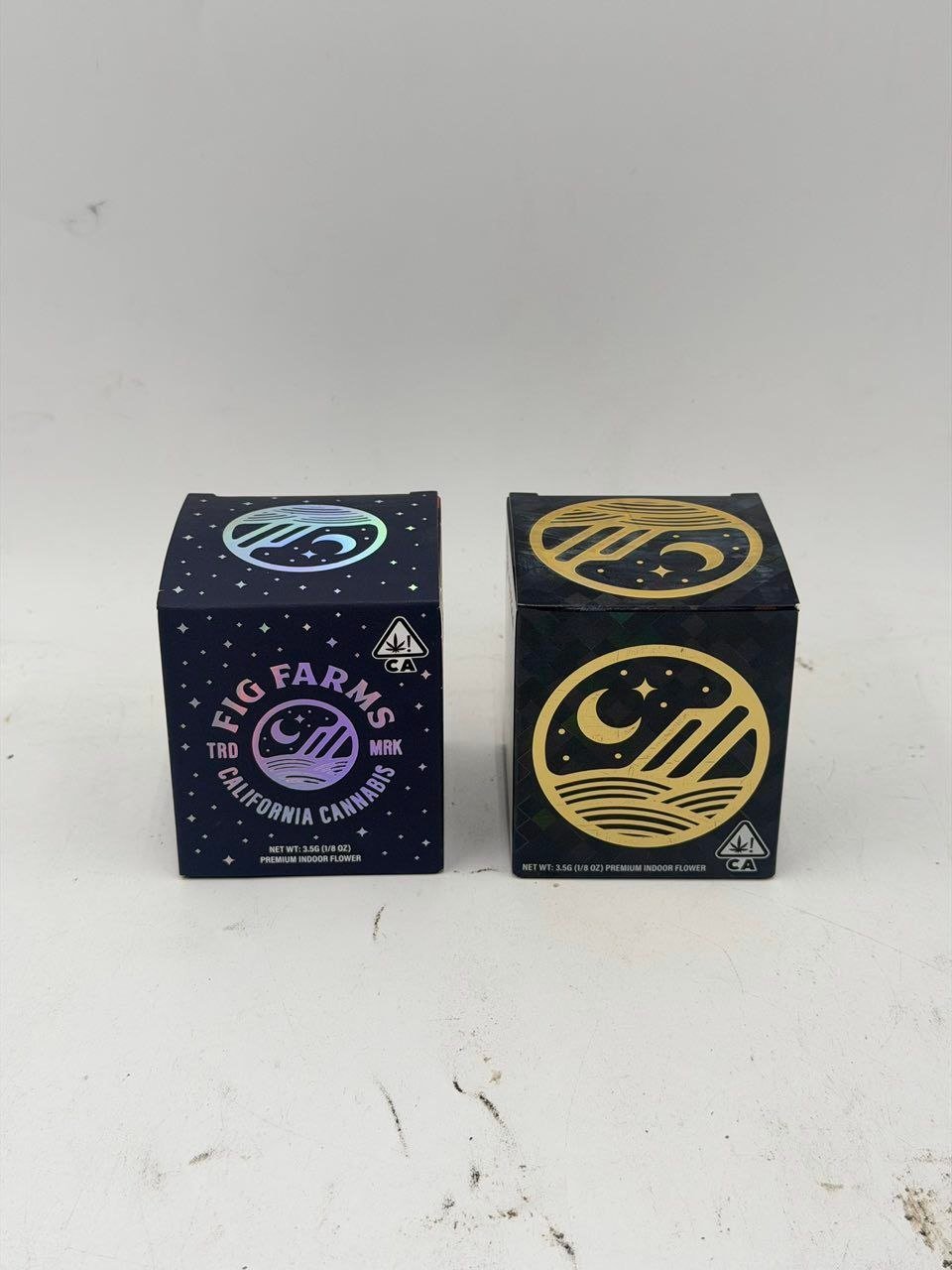
Fig Farms California Cannabis 3.5G refers to an eighth-ounce package of cannabis flower produced under the Fig Farms brand for the California market. A package labeled 3.5G contains approximately 3.5 grams of flower, a size commonly called an “eighth” because it is roughly one eighth of an ounce. The exact strain inside the package can vary, and that distinction matters. Fig Farms currently lists numerous active cultivars, including Animal Face, Blue Face, Chems and Cherry, Cherry Martinelli, Couch Rider, Fabulosa, Fig & Cherry, Fig OG, Holy Moly!, Koala Crack, Kronuts, Krypto Chronic 1, Mad Dog 64, Peach Wreck, Rapper Weed, Shady Scotty, Sherbanger F2, and Z Type-S.
Because these are different cultivars, no single aroma, flavor, cannabinoid percentage, bud structure, or terpene profile describes every Fig Farms 3.5G package. The common element is the 3.5-gram flower format, while the individual label and batch information describe the specific product.
The intended audience is adults of legal age where cannabis is lawful. The size sits between a single pre-roll and larger quarter-ounce or half-ounce flower formats.
This distinction also improves product-page accuracy. Instead of presenting Fig Farms as a single uniform flower, the page can describe the shared 3.5G format while directing readers to the individual cultivar and batch for variable details. That structure supports clearer SEO, stronger consumer understanding, and fewer unsupported assumptions online overall.
Key Features and Specifications
The most reliable specifications for Fig Farms California Cannabis 3.5G are the details that can be confirmed from the product format and the individual package.
- Brand: Fig Farms
- Product category: Cannabis flower
- Net weight: Approximately 3.5 grams
- Common size name: Eighth ounce
- Market context: California cannabis flower
- Strain: Varies by package and release
- Cannabinoid content: Batch specific
- Terpene profile: Strain and batch specific
- Packaging details: Should be confirmed on the individual unit
- Storage: Follow package directions and keep sealed, cool, dry, dark, and secure
- Audience: Adults of legal age where cannabis is lawful
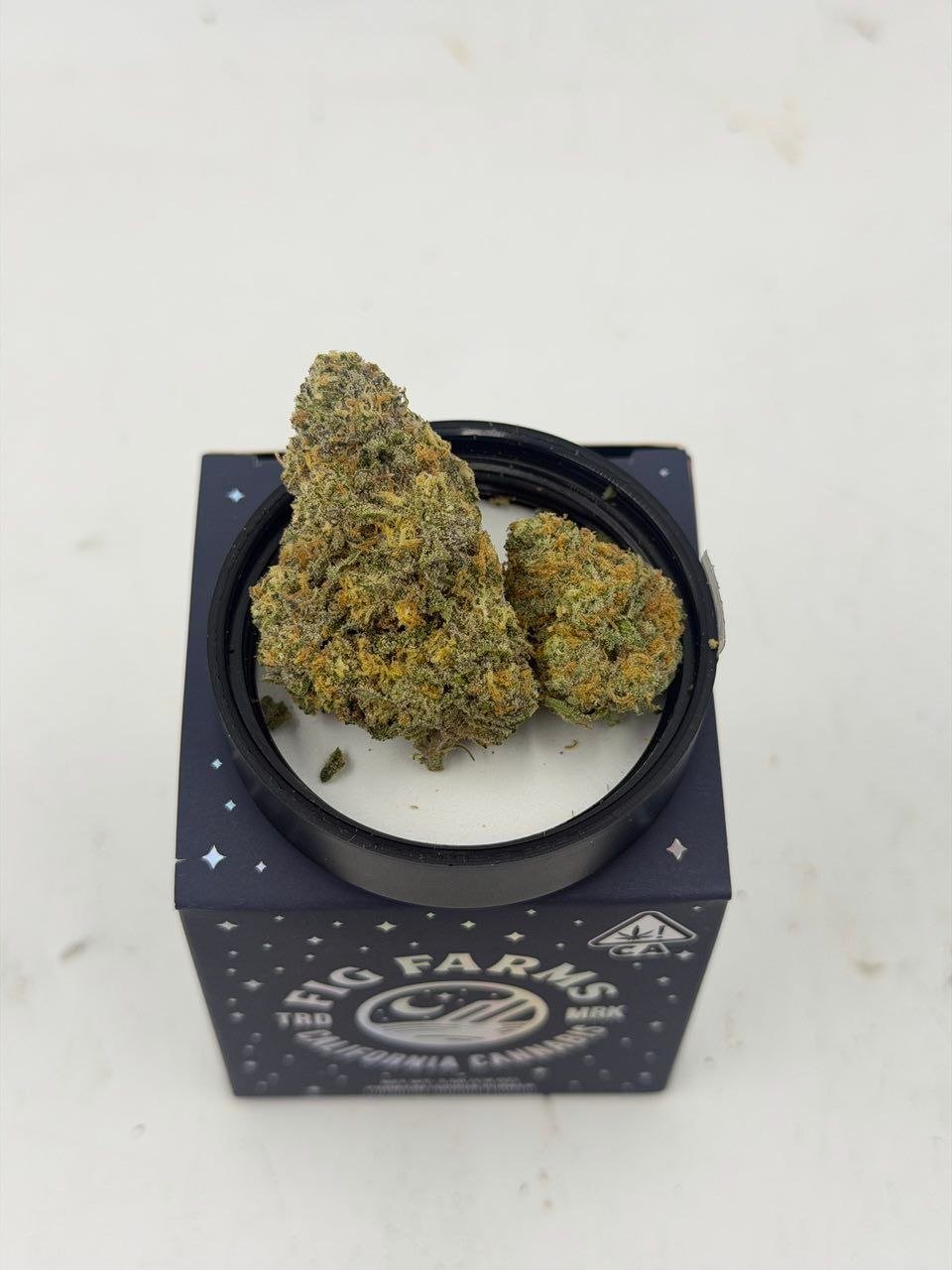
The 3.5-gram quantity is compact but can contain multiple buds for inspection. Cannabis is agricultural material, so bud size, color, density, moisture, trichome coverage, and aroma can vary even within the same named cultivar.
The current catalog shows why strain name matters. For example, Blue Face Rainbow Belts has documented parentage that differs from other Fig Farms cultivars. Genetics from one strain should not be copied into a generic 3.5G description.
Packaging protects flower from handling and environmental exposure while carrying key information. California’s current non-manufactured cannabis labeling requirements include product identity, net weight, the universal cannabis symbol, UID information, licensee information, and the date of packaging for retail sale.
Appearance, Design, and Product Quality
The physical presentation of Fig Farms California Cannabis 3.5G depends heavily on the strain. Some cultivars may form compact, dense buds, while others may have more open or elongated structures. Flower colors can range through multiple shades of green and may include purple, orange, amber, or other natural accents. Trichomes can create a frosted surface, but visual frost should not be treated as a substitute for laboratory data.
Product evaluation should start with condition. Assess structure, moisture, cleanliness, aroma, trim, and consistency with the label. Excessive dryness, unusual dampness, discoloration, foreign material, or unexpected odors deserve attention.
Branding can distinguish strains, but packaging design is not the same as product quality. More meaningful indicators include batch traceability, package integrity, dates, regulatory labeling, and flower condition.
Because cannabis is grown rather than mechanically duplicated, one Fig Farms 3.5G jar should not be expected to look identical to every other jar. Natural variation is normal. The important question is whether the specific package is accurately labeled, properly stored, and consistent with the documented batch.
Aroma, Flavor, and Sensory Profile
There is no single aroma or flavor that defines all Fig Farms California Cannabis 3.5G flower. Fig Farms maintains a broad strain catalog, and the brand’s own descriptions show substantial variation. Some strains are described with fruit, candy, citrus, cereal, spice, gas, floral, or savory references, while others emphasize very different sensory characteristics.
This diversity is why generic descriptions such as “sweet and fruity” should not be applied to every Fig Farms product. Sensory language is subjective, and storage can also change what remains noticeable when a package is opened.
For accuracy, use the strain-specific page and batch label together. Terpene testing can add context, but percentages may change between harvests. Official tasting notes should therefore be presented as strain guidance, not a guarantee for every batch.
Consumers should also distinguish between aroma descriptors and medical or effect claims. A citrus, berry, fuel, candy, or herbal note describes sensory perception; it does not establish a guaranteed physical or psychological outcome.
How the Product Format Works
The Fig Farms 3.5G format is straightforward: a measured amount of dried cannabis flower is packaged and labeled as a specific cultivar and batch. The value of the format comes from traceability and portion size rather than from a mechanical technology.
After cultivation and harvest, flower is dried, cured, and packaged. Those stages influence moisture, aroma, texture, and condition. Packaging then helps limit exposure to air, light, humidity changes, and handling.
For consumers, the key system is the information around the package. The strain identifies the cultivar, the lot number identifies a production run, cannabinoid data describes that batch, dates provide timing context, and warnings or regulatory identifiers establish market context.
This system matters because cannabis is not perfectly uniform. If two packages have the same strain name but different lot numbers, their reported cannabinoid or terpene values may differ. A responsible buyer or researcher should therefore compare the actual label instead of assuming that a number copied from an older menu applies to a newer jar.
How to Handle and Store Fig Farms 3.5G Flower
No setup is required, but careful handling helps preserve condition. Keep the product sealed when not in use, because prolonged air exposure, heat, and direct sunlight can affect aroma and overall quality.
Store the package in a cool, dry, dark location consistent with the directions on its label. Avoid excessive heat, strong light, and uncontrolled moisture. Do not place cannabis where children or pets can access it, and do not rely on appearance alone to determine whether a package is child resistant. California requires final-form cannabis goods sold at licensed retailers to meet packaging rules that include tamper-evident and child-resistant requirements.
Use clean, dry hands or suitable tools when examining flower, and avoid introducing moisture or contaminants. If packaging is damaged, retain identifying information and follow local storage guidance.
This content is intended for adults of legal age in jurisdictions where cannabis is lawful. Laws regarding possession, transport, use, and storage differ by location, so the package instructions and applicable local rules should take priority over general internet guidance.
Who Is This Product For?
The 3.5G format can make sense for several types of adult consumers or product researchers. One group is the strain-focused shopper who wants to evaluate a specific Fig Farms cultivar without selecting a much larger quantity. An eighth provides enough flower to observe multiple buds and compare aroma, structure, and consistency across the package.
Another group is the experienced legal-market consumer who follows cultivars and breeding. Because Fig Farms offers many strains, these consumers may read official breeding notes, compare batches, and pay close attention to labels.
A third group values traceability: a defined strain, net weight, batch, and regulatory information rather than a guaranteed potency number.
Finally, the format may suit adults who simply prefer eighth-ounce packaging because it is familiar, compact, and easier to store than larger flower quantities. These scenarios are practical rather than promises of experience or effect.
Product Comparison: 3.5G Versus Other Flower Formats
Compared with a one-gram pre-roll, a 3.5G flower package contains more material and allows the consumer to see the unprocessed buds directly. A pre-roll is convenient as a ready-made format, but the flower inside is not presented in the same way for visual inspection.
Compared with a 7G quarter-ounce package, the 3.5G eighth is smaller and may be preferable when someone wants to evaluate a strain without choosing twice as much flower. Larger formats can reduce the number of packages needed for the same total weight, but they also commit the consumer to more of one batch or cultivar.
Compared with poorly documented flower, a labeled 3.5G package offers a stronger basis for verification through strain identity, net weight, batch information, and regulatory labeling.
Fig Farms should also be compared strain by strain rather than as one uniform flavor profile. A Blue Face Rainbow Belts package and a Fig OG package may share the same 3.5G size while differing substantially in breeding, aroma, appearance, and batch data.
Authenticity and Verification
Authenticity should be evaluated through multiple signals. A logo, colorful package, QR code, hologram, or professional photograph is not sufficient by itself to establish that a cannabis product is genuine or legally produced.
Start with the package. Check that the strain name, net weight, dates, batch or lot number, required warnings, and manufacturer or distributor information are present and internally consistent. California’s current labeling framework for non-manufactured cannabis requires several of these traceability elements, including UID and licensee information.
Next, compare the strain with Fig Farms’ official catalog. The company currently publishes an active and retired strain list, which can help confirm whether a name is associated with the brand. A match is useful context, though it still does not authenticate an individual package.
Where California rules require testing and tracking, use the applicable batch information and licensed-market documentation. Laboratory reports are most useful when they match the exact lot; unrelated screenshots or reports from another harvest should not be treated as proof.
Quality and Batch Information
Batch variation is one of the most important concepts to understand with cannabis flower. Even when genetics remain the same, plants can differ because of environmental conditions, cultivation practices, harvest timing, drying, curing, and storage. Laboratory results can also vary between production runs.
For that reason, a product page should not assign one permanent THC percentage, total cannabinoid number, or terpene concentration to Fig Farms California Cannabis 3.5G as a whole. Those values belong to specific batches.
Package dates provide freshness context but do not prove ideal storage. Seal condition and storage environment remain relevant.
Official strain information is most useful for relatively stable details such as cultivar name, breeder information, parentage when disclosed, and the brand’s tasting notes. Batch labels are more useful for variables such as cannabinoid values, testing results, package dates, and lot identification. Keeping those two information types separate produces more accurate product content.
Advantages of the 3.5G Format
The eighth-ounce format has several practical strengths. First, it is large enough to show more than one flower piece, which makes visual evaluation easier than with a tiny sample. Second, it remains compact enough to store without the bulk of quarter-ounce or half-ounce packaging.
The format also works well for strain-specific labeling. Because Fig Farms offers many cultivars, separate 3.5G packages allow each strain and batch to carry its own information. That supports clearer comparison between products.
The format is also familiar: 3.5G, or an eighth ounce, is widely recognized in legal cannabis retail.
These benefits are about format and information, not guaranteed quality. A 3.5G package is not automatically fresher, stronger, safer, or better than another size. Those characteristics depend on the actual flower, its production history, testing, storage, and condition.
Frequently Asked Questions
What is Fig Farms California Cannabis 3.5G?
It is a 3.5-gram, or approximately one-eighth-ounce, package of Fig Farms cannabis flower sold under a specific strain name. The term describes the package size and brand rather than one universal cultivar.
Is Fig Farms 3.5G one strain?
No. Fig Farms currently lists many active strains, including Animal Face, Blue Face, Chems and Cherry, Cherry Martinelli, Fig OG, Holy Moly!, Koala Crack, Kronuts, Peach Wreck, Rapper Weed, Shady Scotty, and others. Each should be evaluated separately.
How much flower is in a 3.5G package?
The labeled net weight is approximately 3.5 grams. This amount is commonly called an eighth of an ounce.
Does every Fig Farms eighth have the same THC percentage?
No. Cannabinoid results are batch specific. The percentage printed on one strain or harvest should not be copied to another package.
What does Fig Farms 3.5G taste like?
There is no single answer because aroma and flavor depend on the cultivar and batch. Check the exact strain name, official strain description, and package information.
How should the flower be stored?
Keep it sealed in a cool, dry, dark, secure location according to the package instructions. Protect it from excessive heat, sunlight, uncontrolled moisture, children, and pets.
How can authenticity be checked?
Review the strain name, batch or lot number, dates, regulatory labeling, manufacturer information, package integrity, and any batch-linked testing. Compare the strain name with official Fig Farms information when useful.
Do Fig Farms strains vary between batches?
Yes. Cannabis is agricultural material, so appearance, aroma, moisture, cannabinoid values, terpene results, and bud structure can vary between harvests.
What should someone check before choosing a specific 3.5G package?
Check the exact strain, net weight, batch information, package dates, cannabinoid label, available testing, seal condition, and whether the product comes through the applicable licensed market.
Final Product Summary
Fig Farms California Cannabis 3.5G is a strain-specific eighth-ounce flower format from Fig Farms, an owner-farmed cultivator and breeder with operations described by the brand in California and Illinois. The most important point is that “3.5G” identifies the quantity, not one fixed strain or one guaranteed sensory profile.
A specific package should be judged by its cultivar name, flower condition, label accuracy, batch or lot number, dates, cannabinoid information, available testing, and storage history. Fig Farms’ current strain catalog shows why that distinction matters: the brand offers numerous cultivars with different breeding backgrounds and tasting descriptions, all of which can appear in similar 3.5G formats.
For adults researching legal California cannabis flower, the eighth-ounce size provides a compact, familiar package that is large enough for meaningful inspection without moving into larger quantities. Accurate content should focus on traceable strain and batch information rather than copying generic potency numbers or flavor claims across the entire brand. That approach makes Fig Farms California Cannabis 3.5G easier to understand, compare, verify, and describe responsibly.