710 1G RSO: Product Overview, Uses, and Consumer Information
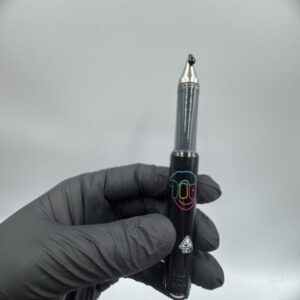
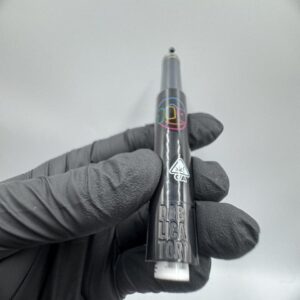
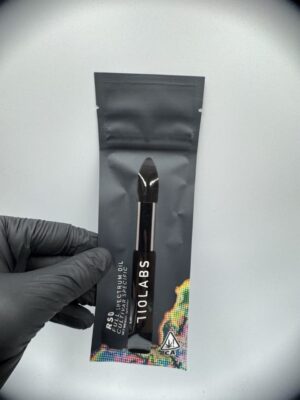
710 1G RSO refers to a 1-gram syringe of Rick Simpson Oil produced by 710 Labs. The product is described by 710 Labs as a decarboxylated, full-spectrum cannabis extract containing cannabinoids, terpenes, and other naturally occurring cannabis compounds. 710 Labs also states that its RSO is cultivar-specific, meaning the product name and source cultivar are important parts of its identity.
RSO is a concentrated cannabis product, so the exact cannabinoid profile, ingredients, and labeling can vary by strain, batch, state, and retailer. Consumers should review the current package and batch-specific certificate of analysis rather than relying on a general product description or a previous menu listing.
What Is 710 1G RSO?
The term 710 1G RSO combines three pieces of product information:
-
710 refers to the 710 Labs brand.
-
RSO stands for Rick Simpson Oil, a concentrated full-spectrum cannabis oil.
-
1G means the package contains one gram of oil by net weight.
710 Labs describes its RSO as a decarboxylated full-spectrum extract. Decarboxylation is a controlled heating process that converts acidic cannabinoids, such as THCA, into their neutral forms, including THC. In practical terms, the process affects the chemical form of the cannabinoids in the finished oil.
The “full-spectrum” description means that the extract is intended to retain a broad range of naturally occurring cannabis compounds rather than isolating a single cannabinoid. The exact compounds present, however, depend on the cultivar, extraction process, refinement, and batch. A full-spectrum label should not be interpreted as a guarantee of a particular potency or effect.
How 710 Labs Describes Its RSO
The official 710 Labs product page states that its RSO contains cannabinoids, terpenes, and other valuable compounds found in the cannabis plant. It also explains that the cultivars used are important to the product, which is why the company keeps the RSO cultivar-specific.
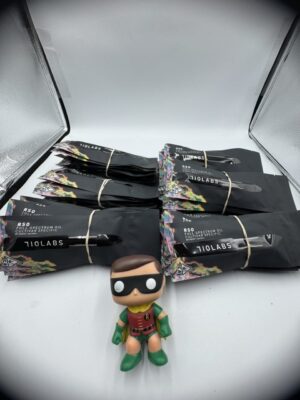
Retail menus show a variety of 710 Labs RSO products, including Cherry Zest #4, Ztan Lee #5 plus Zimosa #2, The Rucker #1, Z plus Moonbow, and Rainbow Belts. These listings demonstrate that the product line may be released in different cultivar combinations rather than as one fixed formulation.weedmaps+4
The specific strain name should therefore be checked carefully. A product identified as Cherry Zest #4 is not necessarily interchangeable with one labelled Z plus Moonbow. Each product may have its own cannabinoid percentage, terpene profile, lot number, package date, and laboratory report.
What Does “1G” Mean?
In a 710 RSO product, “1G” generally means the syringe contains one gram of oil. This is a weight measurement, not a statement about THC content.
One gram of a concentrated extract can contain a substantially different amount of cannabinoids from one gram of flower. The label should provide cannabinoid information in milligrams, percentages, or another format required by the applicable state. Retail listings may report different figures for different batches. For example, one menu listing reports a THC figure for a specific 710 Labs RSO item and notes that the value may represent an aggregate of several cannabinoid forms.
Consumers should not calculate product strength from the “1G” label alone. The more useful figures are:
-
Total package weight.
-
THC and THCA content.
-
CBD and CBDA content, if present.
-
Total cannabinoid amount in milligrams.
-
Terpene information, if available.
-
Batch or lot number.
-
Laboratory testing date.
RSO Compared With Other Cannabis Extracts
RSO is different from several other cannabis concentrate categories.
The word “RSO” describes a product style and formulation concept, while terms such as wax, badder, and shatter mainly describe texture. RSO is generally thicker and darker than many vape oils or refined distillates and is commonly packaged in a syringe for controlled dispensing.
A syringe does not necessarily mean the product is intended for vaping. The package should identify the approved product category and directions. Consumers should not place RSO into a vape cartridge unless the manufacturer specifically designs and labels it for that purpose.
Cannabinoids and Terpene Profiles
A cultivar-specific RSO may contain a broad cannabinoid and terpene profile. Cannabinoids can include THC, THCA, CBD, CBDA, CBG, CBC, and other compounds, although the exact profile depends on the batch.
Terpenes contribute to aroma and flavor. Retail descriptions may use terms such as cherry, citrus, tropical, earthy, gas, floral, or spice to describe a cultivar. These descriptions are sensory language rather than medical claims. They do not guarantee that every consumer will experience the same aroma or flavor.
A laboratory report is the most reliable source for a product’s measured cannabinoid and terpene content. If a retailer lists a percentage that does not match the package, the physical label and current batch documentation should take priority.
Packaging and Product Presentation
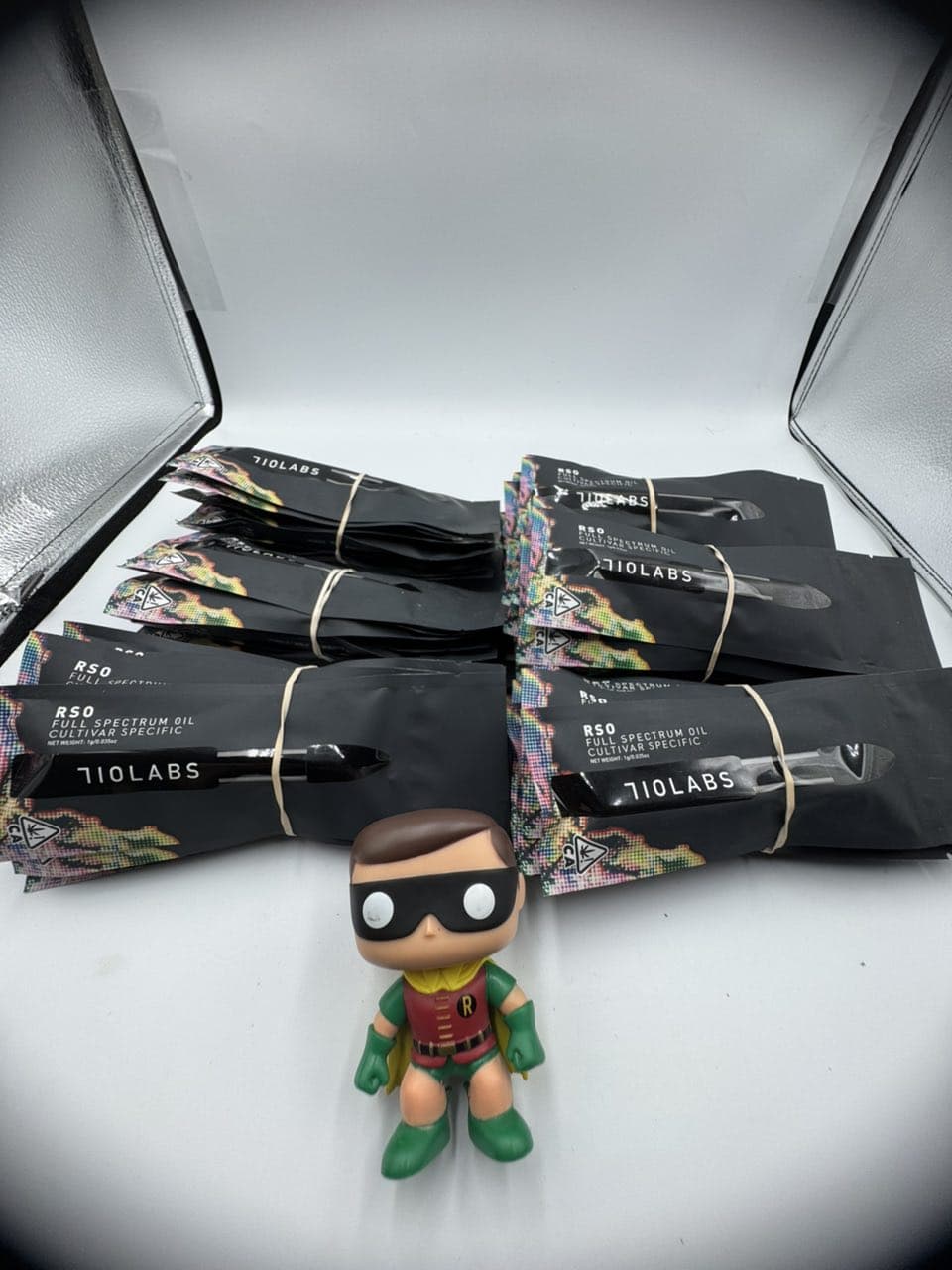
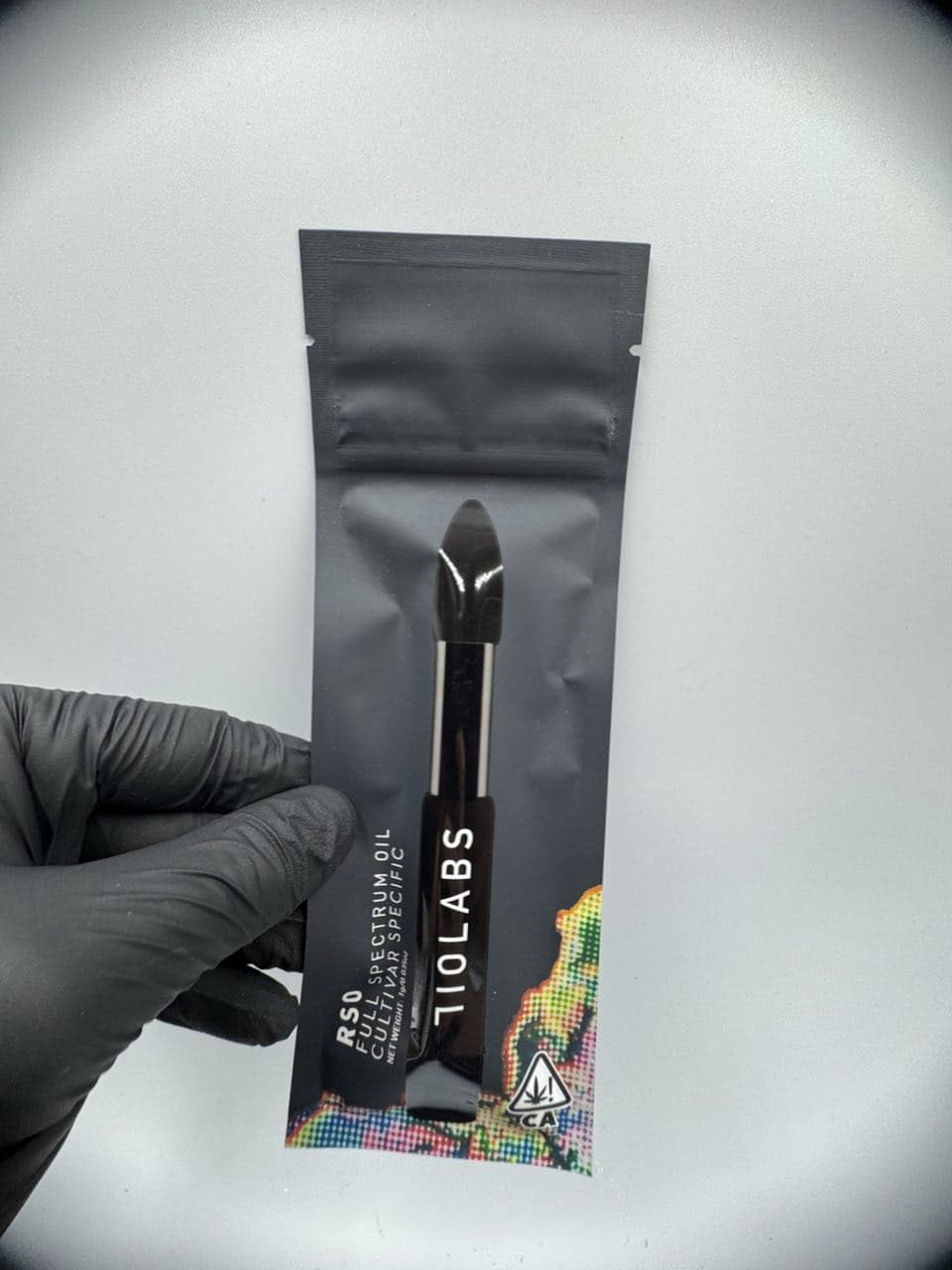
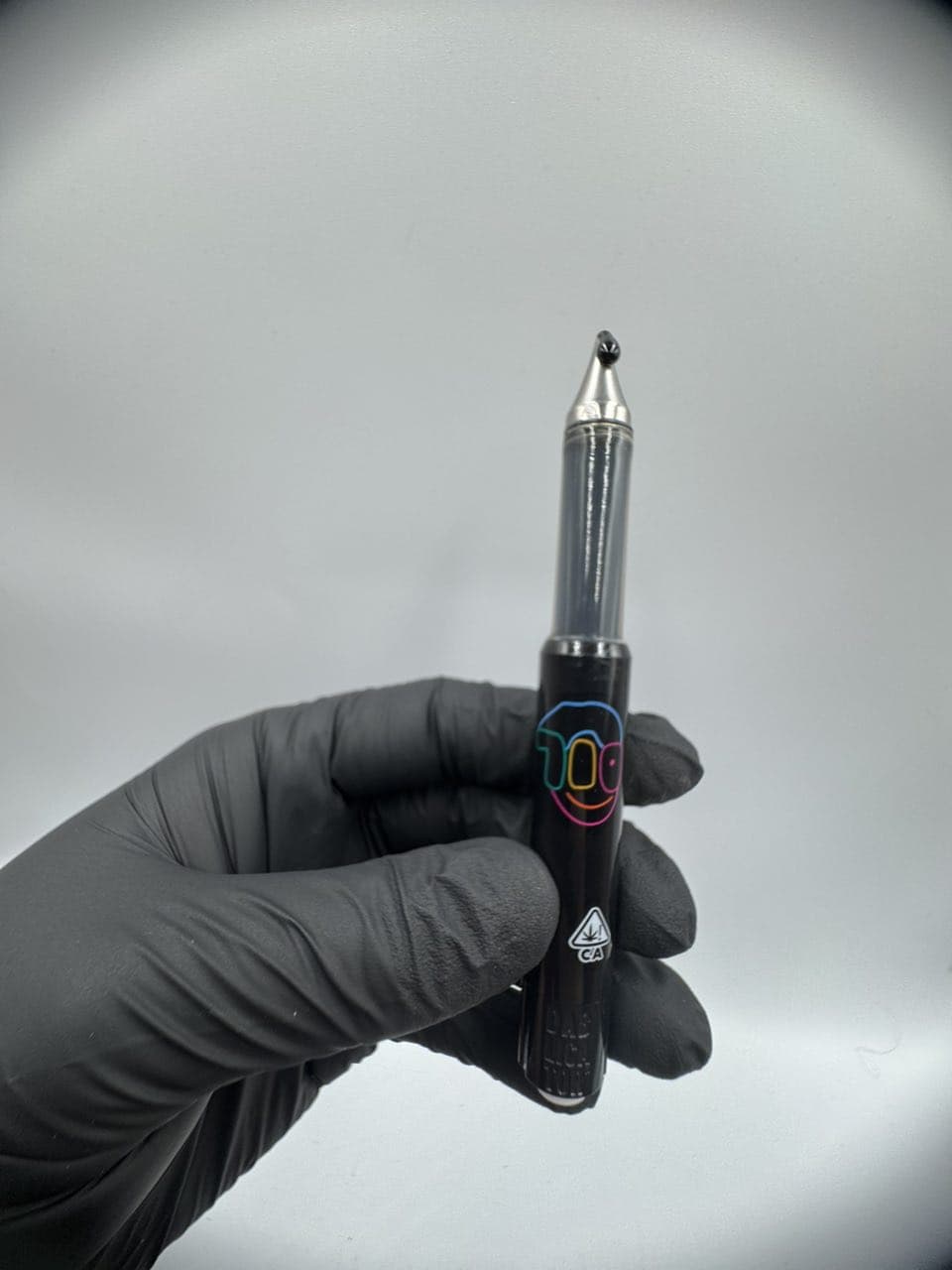
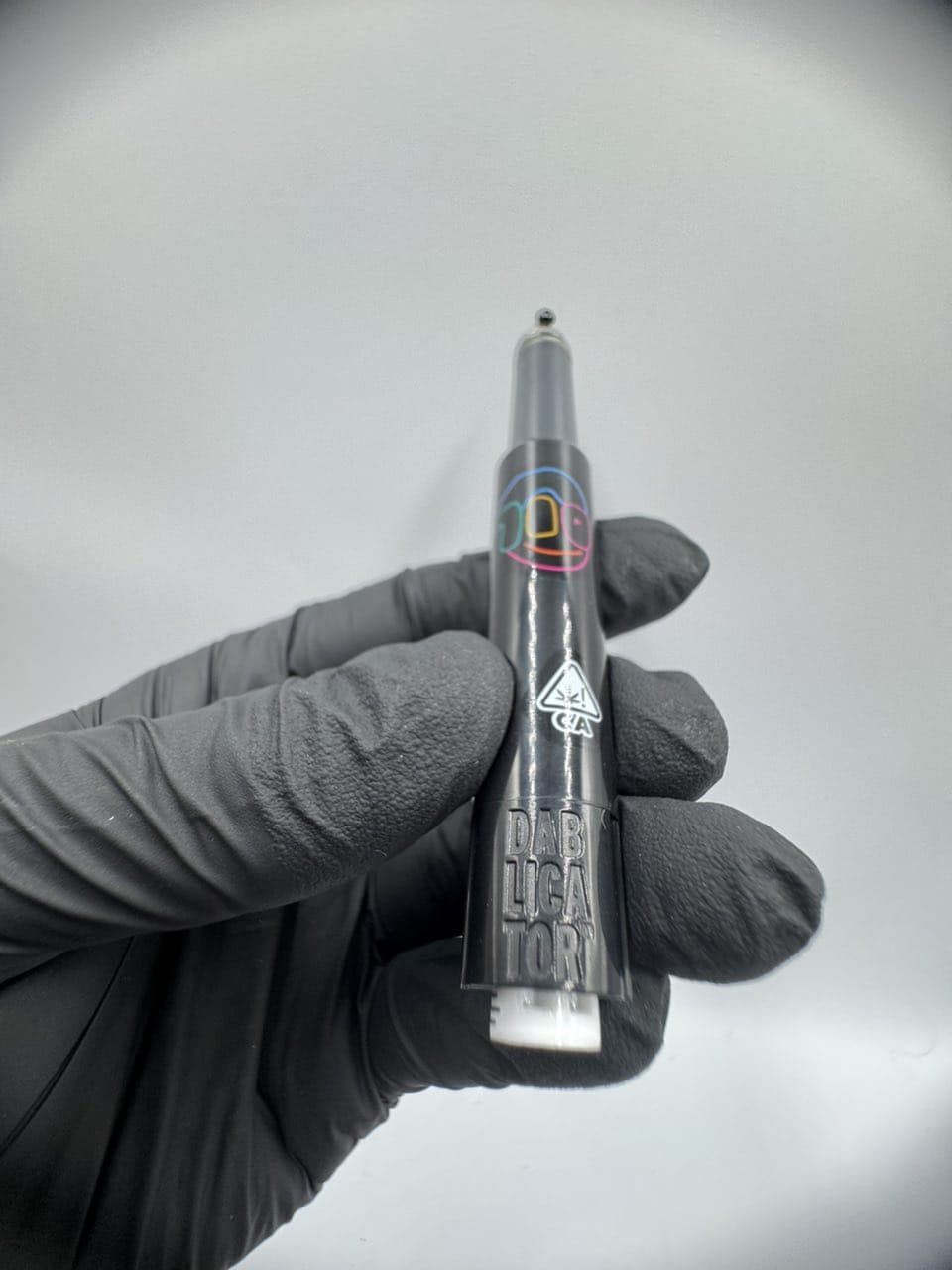
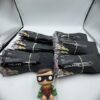
710 Labs RSO is commonly presented in a small syringe that allows the thick oil to be dispensed from a narrow tip. The syringe format can help keep the product contained and make the oil easier to measure than an open jar. It does not, however, replace the need for complete labeling.
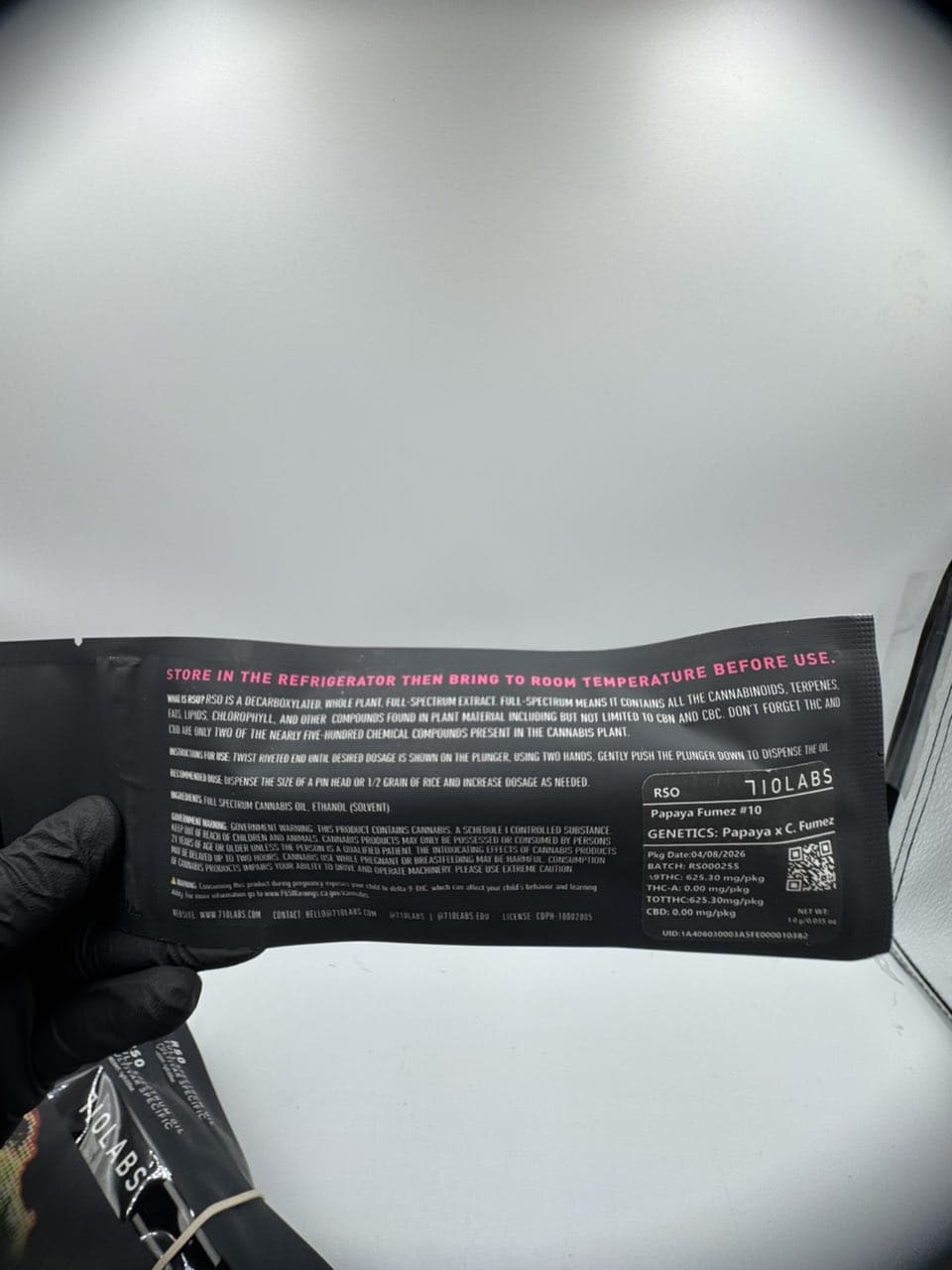
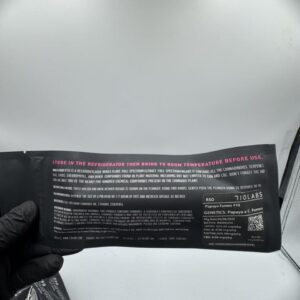
A regulated package should generally identify:
-
Brand and product name.
-
Cultivar or strain.
-
Net weight.
-
Cannabinoid profile.
-
Ingredients.
-
Batch or lot number.
-
Packaging date or expiration information, where required.
-
Manufacturer or distributor details.
-
Required cannabis warnings.
-
Testing information or a certificate-of-analysis reference.
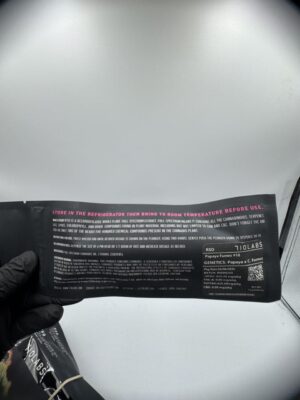
Packaging requirements vary across states. A retailer menu may show only a shortened version of the information printed on the package. Consumers should use the physical label to confirm the product’s actual contents.
Authenticity and Lab Testing
Authenticity is important for branded cannabis concentrates because packaging and product names can be copied. The most reliable way to verify a 710 1G RSO product is to purchase it through a licensed dispensary and compare the label with current information from 710 Labs or the relevant retailer.
A useful authenticity review includes:
-
Confirming the dispensary’s license.
-
Checking that the package is sealed and undamaged.
-
Matching the product name and cultivar.
-
Confirming the 1-gram net weight.
-
Reviewing the batch or lot number.
-
Finding a certificate of analysis for the same batch.
-
Checking that the cannabinoid results match the label.
-
Looking for required warnings and manufacturer information.
A QR code is not automatically proof of authenticity. It should lead to a legitimate brand page, licensed laboratory report, or regulatory record that corresponds to the product’s lot number. A generic page with no batch-specific information offers limited verification.
Testing may include cannabinoid analysis and screening for contaminants such as pesticides, heavy metals, microbial impurities, mycotoxins, and residual solvents. The required testing panel differs by state and product category. Consumers should avoid treating “lab tested” as a complete claim unless the underlying report is available and matches the package.
Storage Considerations
RSO should generally be kept in its original sealed packaging in a cool, dark, dry location. Direct sunlight and high temperatures can affect the oil’s consistency and aromatic compounds. The syringe should be protected from damage and kept away from children and pets.
Because RSO is thick, its texture may change with temperature. It may become more viscous in cool conditions and softer in warmer conditions. Consumers should follow the manufacturer’s storage directions and avoid heating, opening, or modifying the syringe in ways not described on the label.
Keep the packaging and receipt until the product is no longer needed. The lot number and product information may be useful if a retailer issues a recall or if a labeling concern arises.
Responsible Product Evaluation
RSO is a concentrated cannabis product, so marketing language should be treated cautiously. Terms such as “full-spectrum,” “whole plant,” “premium,” and “potent” describe product positioning or formulation but do not establish a universal experience.
The product should be evaluated using verifiable information:
-
Is it sold by a licensed retailer?
-
Does the package clearly identify the product and cultivar?
-
Does the 1-gram weight match the listing?
-
Is a current batch-specific laboratory report available?
-
Are cannabinoid figures clearly stated?
-
Are ingredients and warnings provided?
-
Does the packaging appear intact and professionally labelled?
Consumers should not rely on informal sellers, copied product photographs, or unusually low prices as evidence of authenticity. Licensed retail channels offer stronger traceability and make it easier to obtain product information if an issue occurs.
Frequently Asked Questions
What does RSO stand for?
RSO stands for Rick Simpson Oil, a concentrated cannabis oil traditionally associated with a full-spectrum extract. 710 Labs describes its RSO as decarboxylated and full-spectrum.
What does 1G mean on 710 Labs RSO?
It generally means the syringe contains one gram of oil by net weight. It does not indicate one gram of THC or a specific cannabinoid percentage.
Is 710 RSO the same as distillate?
No. RSO is described as a decarboxylated full-spectrum extract, while distillate is generally a more refined oil. The precise distinction depends on the product’s manufacturing and labeling information.
Can 710 RSO be used in a vape cartridge?
Do not assume that it can. The package should identify the intended product category and directions. RSO is not automatically formulated for vaporization.
Does every 710 RSO product have the same potency?
No. Potency may vary by cultivar, batch, state, and testing result. The current label and matching COA should be reviewed for exact cannabinoid information.
Why is RSO often darker and thicker than vape oil?
RSO is a full-spectrum oil that may retain a broader range of plant compounds and is not necessarily refined to the clear, thin consistency commonly associated with vape formulations.
How do I verify a 710 Labs RSO product?
Purchase from a licensed retailer, inspect the packaging, check the cultivar and batch number, and compare the product with official brand information and matching laboratory documentation.
Is a strain name a guarantee of effects?
No. Cultivar names can help identify products, but they do not guarantee a specific experience. Cannabinoids, terpenes, batch variation, and individual factors differ.
Conclusion
710 1G RSO is a 1-gram, cultivar-specific cannabis oil product that 710 Labs describes as decarboxylated and full-spectrum. It may be released under different cultivar names, and its cannabinoid and terpene profile can vary between batches.
The most reliable product information comes from the current package, licensed retailer, and batch-specific certificate of analysis. Consumers should confirm the net weight, cannabinoid content, ingredients, intended product category, and testing documentation rather than relying solely on online descriptions. Where cannabis products are legal, regulated retail sources provide the strongest basis for product traceability and responsible evaluation.



Reviews
There are no reviews yet.