
710 Labs Hash Hole: Product Guide and Terminology
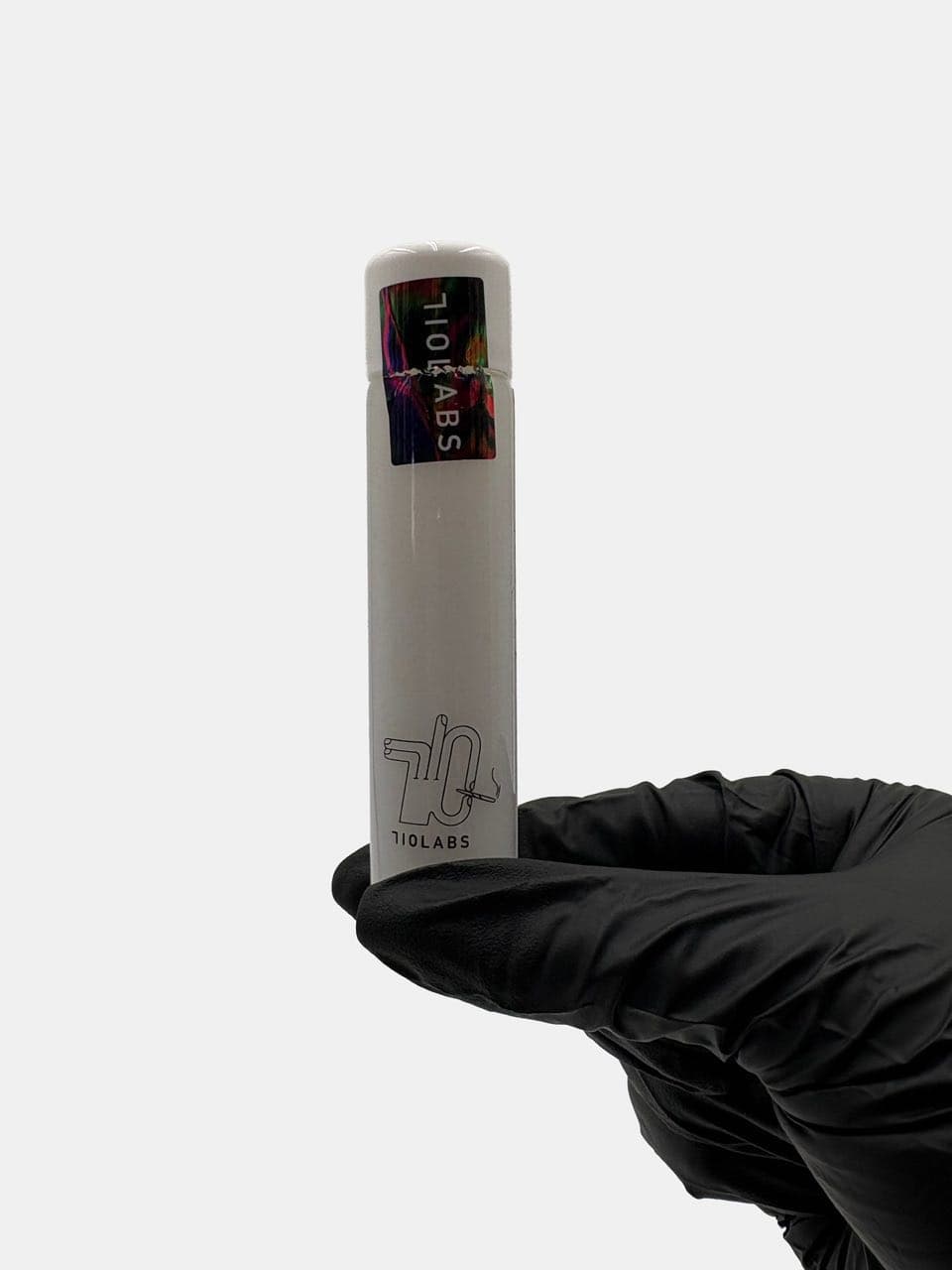
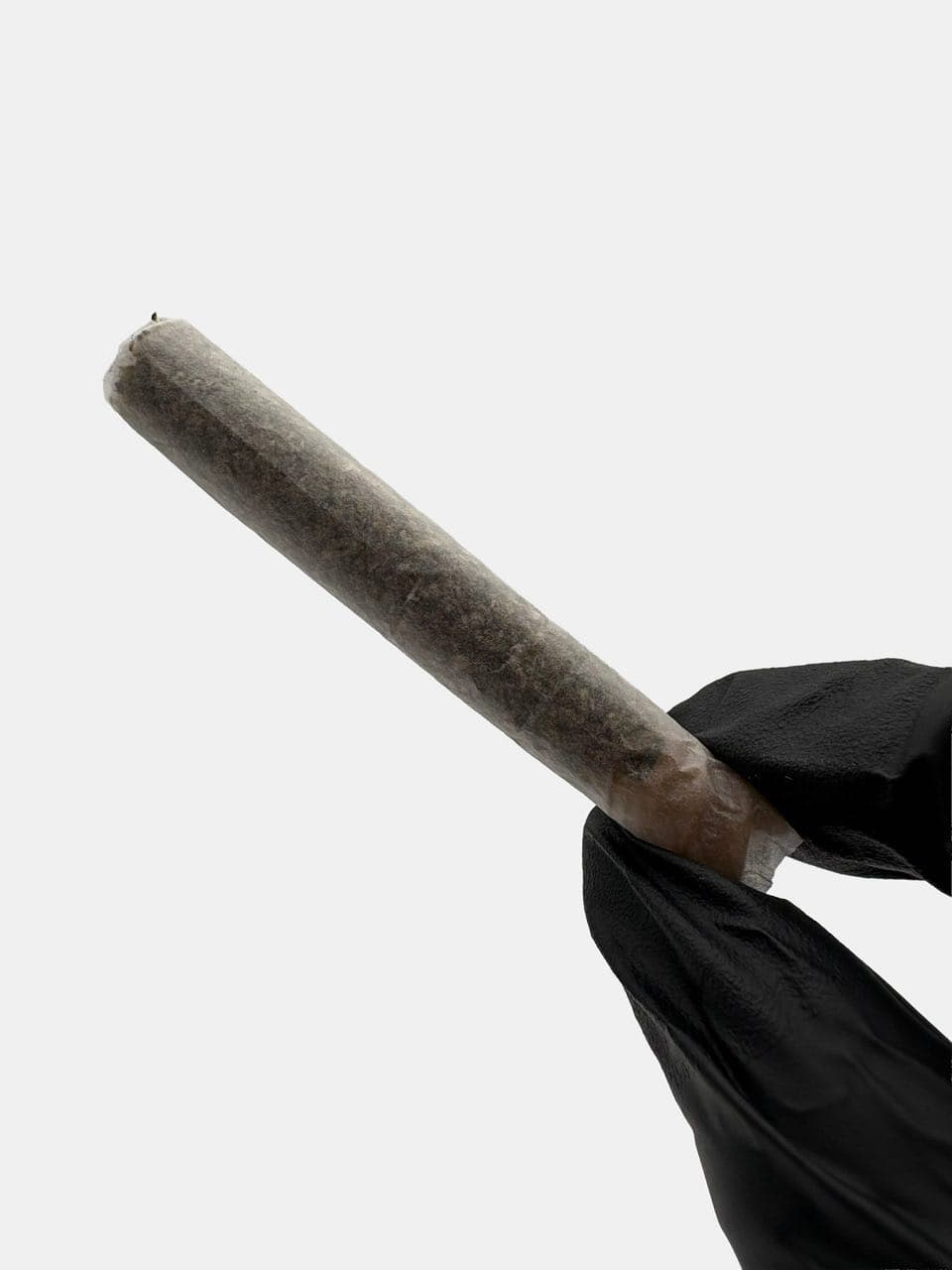
A 710 Labs Hash Hole is a type of infused cannabis pre-roll that places a core of hash rosin inside ground cannabis flower. As the joint burns, the rosin center may create a circular opening in the ash often called a “donut” or “hash hole.” The term describes the construction and burn pattern of the pre-roll, not a standalone cannabis extract category.
710 Labs’ closely related product, the Persy Doink, is described by the company as a hash rosin “snake” running through the center of a flower-filled joint. Retailers may use “hash hole,” “donut joint,” “rosin hash hole,” and “infused pre-roll” differently, so the individual package label should be checked for the actual net weight, flower-to-rosin ratio, cultivar information, and batch-specific testing results.710labs
What Is a Hash Hole?
A hash hole is an infused joint constructed with cannabis flower around a central line or core of solventless hash rosin. The core warms and melts as the flower burns around it. This may leave a hollow-looking center in the ash, giving the format its informal “hash hole” name.
The term does not mean that the product contains a literal hole before use. It refers to the visible result of the burning process. Whether a donut-like opening forms clearly can vary based on the rolling method, flower moisture, rosin consistency, airflow, storage, and handling.
Hash holes are different from standard pre-rolls because standard pre-rolls contain flower without a central concentrate core. They are also different from externally coated pre-rolls, which may have concentrate or kief applied to the outside rather than placed inside the flower.
710 Labs and Solventless Hash Rosin
710 Labs is known for products built around solventless cannabis extracts. The company describes its solventless hash as being made with ice, water, agitation, and mesh filtration rather than hydrocarbon solvents such as butane or ethane. The process separates resin glands from fresh-frozen whole-plant cannabis, creating ice-water hash that can be further processed into hash rosin.
Hash rosin is usually made by applying heat and pressure to solventless hash. It differs from live resin, distillate, or liquid diamonds because it is not extracted with hydrocarbon solvents. This does not automatically make one concentrate category better than another; they are different production methods and product formats.
The 710 Labs Persy Doink description says its rosin core is fully enclosed in flower and is intended to enhance the product’s flavor and effect. That is a manufacturer description and should not be treated as a guarantee of a particular experience. Actual cannabinoid content, terpene information, and ingredient details depend on the specific package and batch.
710 Labs Hash Hole Product Format
A 710 Labs Hash Hole or Persy Doink generally combines two cannabis components:
Retail listings may describe certain 710 Labs Rosin Hash Hole products as 2-gram infused pre-rolls. For example, one California menu listing identified a “Rosin Hash Hole – 2G” product associated with Garlic Cocktail #7 and Jackson Heightz, although that specific listing was no longer available. This does not mean every 710 Labs hash hole is exactly 2 grams, contains the same cultivars, or has the same flower-to-rosin balance.
The package should identify whether the net weight refers to the complete pre-roll, flower only, or combined flower and rosin. It should also list the cultivar or blend, cannabinoid information, ingredient details, lot number, and required warnings.
Hash Hole vs. Standard Pre-Roll
A standard pre-roll is generally ground flower placed in rolling paper. A hash hole adds a concentrated rosin component to the center of the flower.
A hash hole’s construction may create a more complex product than an ordinary flower pre-roll. It also makes product information more important. The cannabinoid profile may reflect both the flower and rosin, and the package should provide relevant testing information for the final infused product.
Packaging, Testing, and Authenticity
Consumers should verify 710 Labs Hash Hole products through licensed cannabis retailers in jurisdictions where cannabis is legal. A package should be sealed, clearly labelled, and traceable to a specific producer or distributor.
Useful information to review includes:
-
Brand and product name.
-
Net weight.
-
Flower and rosin cultivar information, where provided.
-
Whether the pre-roll is infused.
-
Cannabinoid content for the specific batch.
-
Batch or lot number.
-
Packaging date and required warnings.
-
Laboratory testing or a certificate-of-analysis reference.
-
Licensed manufacturer and retailer information.
A hash hole label should not be evaluated solely by the product’s appearance or the presence of a large central rosin core. A well-formed donut shape is not laboratory evidence of cannabinoid content, purity, or authenticity.
A QR code can be helpful when it leads to a matching certificate of analysis or regulated verification record. It should show information that corresponds to the package, including the batch number, product name, and relevant test results. A generic code that leads only to a brand homepage does not independently verify a specific item.
Storage Considerations
A rosin-infused pre-roll should be stored in its original sealed packaging in a cool, dry, dark location. Excess heat can soften rosin and change the product’s internal distribution. Excess moisture can affect the flower and paper, while overly dry conditions may make the pre-roll brittle.
Keep the package away from direct sunlight, children, pets, and strong odors. Avoid crushing the tube or pouch, since physical pressure can damage the flower structure and alter airflow through the pre-roll.
Storage can help preserve a properly packaged product, but it cannot establish whether an item is authentic or properly tested. The licensed seller, intact packaging, lot information, and matching laboratory documentation remain the most important trust signals.
Frequently Asked Questions
What is a 710 Labs Hash Hole?
It is generally an infused pre-roll made with flower surrounding a center core of hash rosin. The term “hash hole” refers to the hollow or donut-like burn pattern that may appear as the rosin melts.
Is a hash hole the same as a Persy Doink?
They are closely related concepts. 710 Labs describes its Persy Doink as a flower pre-roll containing a hash rosin snake through the middle. “Hash hole” is a broader term often used for this type of rosin-centered joint.
Does every 710 Labs hash hole weigh 2 grams?
No. Some retailer listings describe 2-gram Rosin Hash Hole products, but exact weight can vary by product and market. Check the specific package.
Is hash rosin solventless?
710 Labs describes its solventless hash process as using ice, water, agitation, and mesh filtration rather than butane or ethane.
Does the donut shape prove authenticity?
No. A donut-like burn pattern can vary due to rolling, airflow, moisture, and storage. Authenticity should be verified through regulated packaging, batch data, and laboratory documentation.
How should a 710 Labs Hash Hole be stored?
Store it in the original sealed package in a cool, dry, dark location, away from heat, sunlight, children, and pets.
What should buyers check before purchasing?
Check the licensed retailer, package seal, net weight, ingredient information, batch number, cannabinoid label, manufacturer details, and any matching certificate of analysis.
Final Perspective
A 710 Labs Hash Hole is best understood as a rosin-infused flower pre-roll with a center core of solventless hash rosin. The product category is defined by construction: flower surrounds the rosin rather than simply being coated with concentrate. 710 Labs describes this approach through its Persy Doink format, which uses a rosin snake inside flower.
Exact specifications—including the product’s weight, cultivars, cannabinoid content, terpene information, and flower-to-rosin ratio—can vary by release. Adults in legal cannabis markets should rely on sealed packaging, licensed retailers, and batch-specific laboratory documentation rather than generalized online descriptions or visual cues.



Reviews
There are no reviews yet.