
What Is CAT 3 Micro Sugar? Understanding Cannabis Sugar Concentrates
Introduction to CAT 3 Micro Sugar Cannabis Concentrates
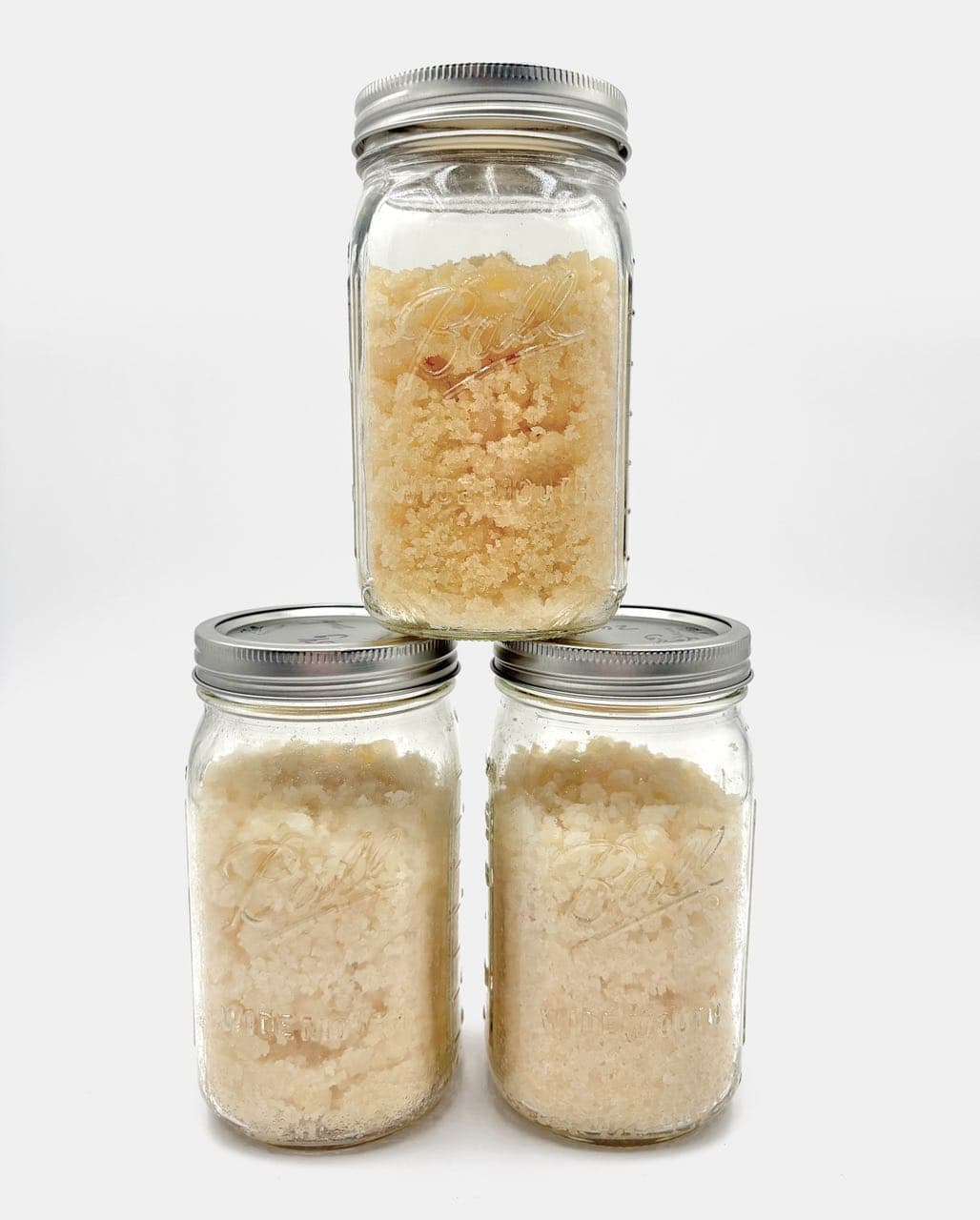
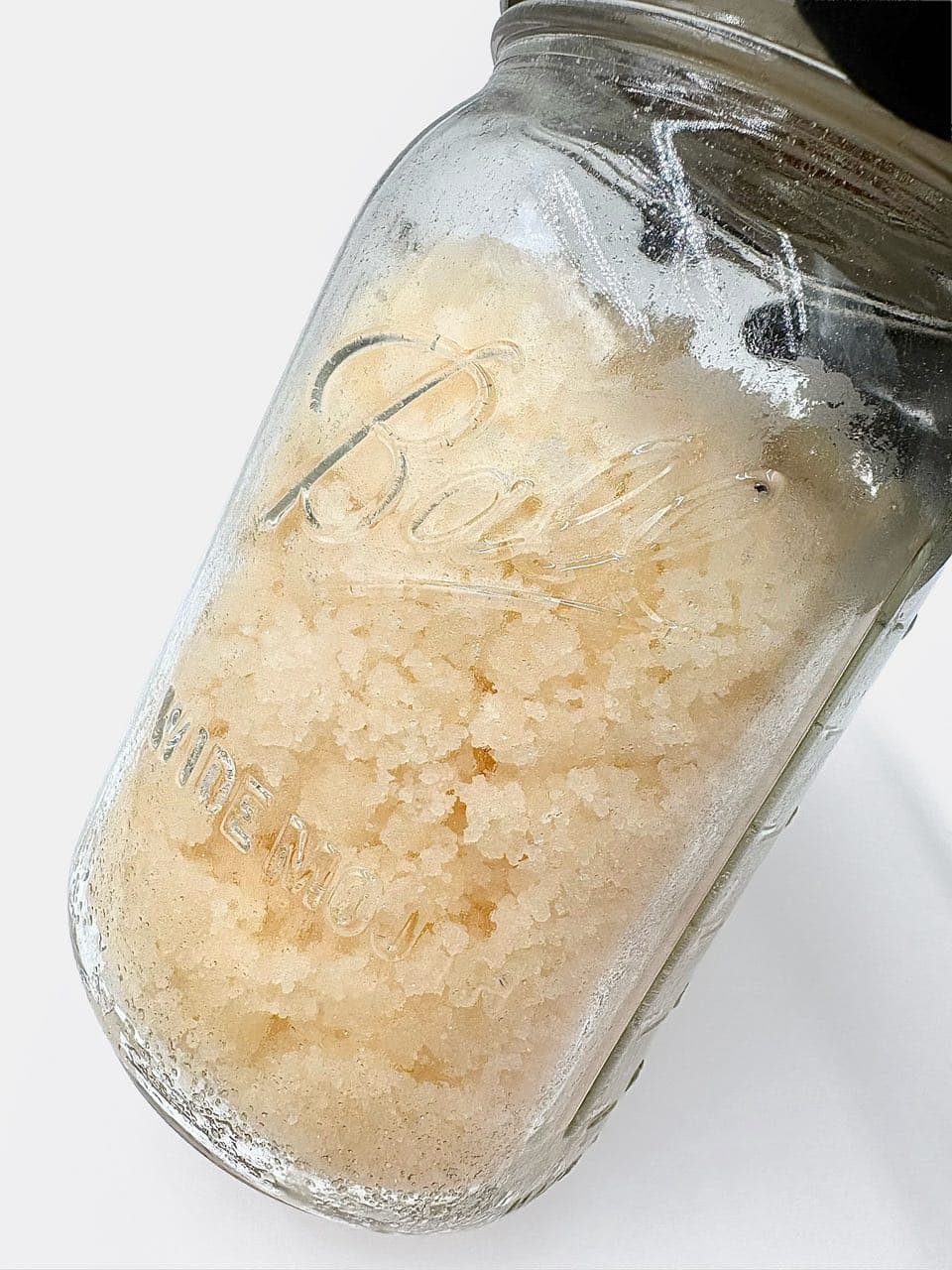
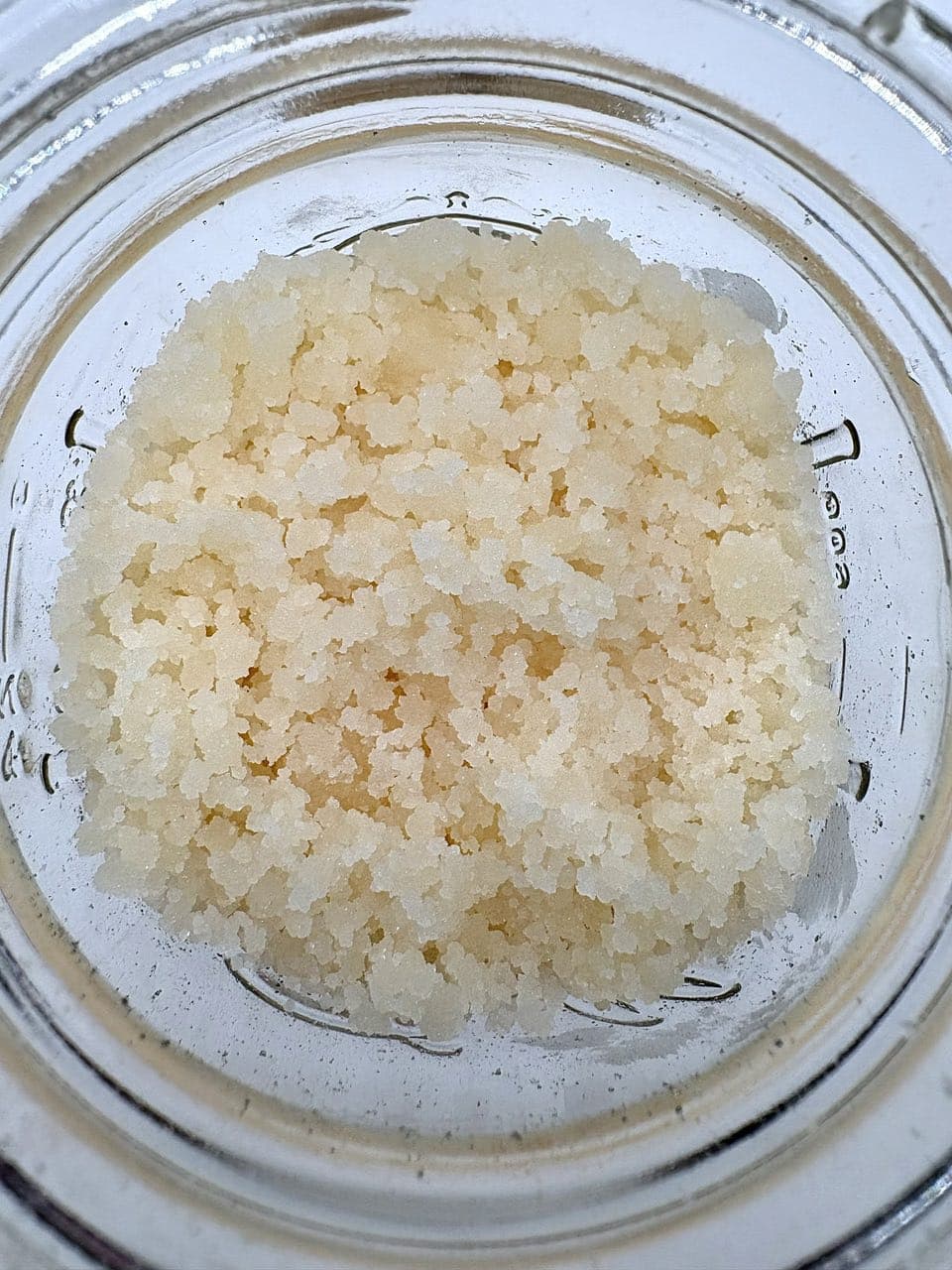
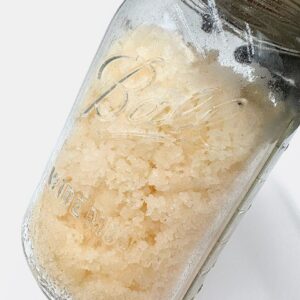
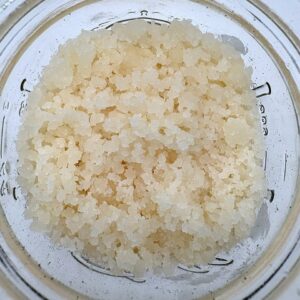
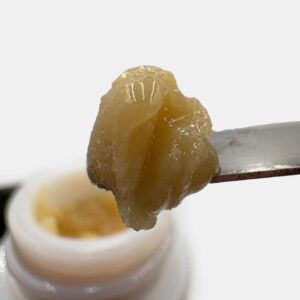
CAT 3 Micro Sugar is a term used to describe a style of cannabis concentrate characterized by its fine, sugar-like crystalline texture suspended in a terpene-rich extract. Within the broader category of cannabis concentrates, products described as micro sugar are recognized for their distinctive appearance and consistency rather than representing a fundamentally different class of concentrate. As the legal cannabis industry has matured, consumers, cultivators, processors, and researchers have become increasingly interested in understanding the diverse textures, compositions, and production methods that distinguish concentrate categories. Educational resources explaining these products have therefore become valuable for individuals seeking to better understand cannabis processing, terminology, and quality standards.
The rapid evolution of cannabis extraction technologies has introduced a wide variety of concentrate textures, including badder, batter, wax, crumble, shatter, diamonds, sauce, rosin, and sugar concentrates. Each texture develops through differences in plant material, extraction methods, cannabinoid composition, terpene content, and post-processing techniques. Rather than viewing these products solely as separate categories, it is often more accurate to understand them as variations within a continuum of concentrate production. Small changes during manufacturing can produce dramatically different textures while beginning with similar raw plant material.
Educational discussions surrounding CAT 3 Micro Sugar generally focus on how concentrate textures form, the scientific principles influencing crystallization, the role of cannabinoids and terpenes, and the importance of laboratory testing in regulated cannabis markets. Understanding these topics allows readers to appreciate the complexity of cannabis concentrates without relying solely on branding or marketing terminology. As legalization expands in various jurisdictions, consumer education continues to play an increasingly important role in supporting informed decision-making and encouraging transparency throughout the cannabis industry.
Understanding Cannabis Concentrates and Their Place Within the Industry
Cannabis concentrates represent products in which naturally occurring compounds from the cannabis plant are separated and concentrated using specialized processing methods. These products differ significantly from traditional cannabis flower because they contain concentrated levels of cannabinoids and aromatic compounds while reducing much of the plant’s remaining material. The development of concentrate technology has allowed processors to create numerous textures and formulations designed for different manufacturing goals and consumer preferences.
The legal cannabis marketplace has grown rapidly over the past decade, leading to significant innovation in concentrate production. Modern extraction facilities often combine scientific equipment with rigorous quality assurance procedures to create consistent products that meet regulatory requirements. As production standards improve, educational understanding of concentrate terminology has become increasingly important for consumers seeking reliable information.
Micro sugar concentrates represent one example of how processing conditions influence final product characteristics. Rather than being defined exclusively by potency or cannabinoid composition, the category is primarily associated with texture and physical appearance. This distinction demonstrates that concentrate classification frequently involves multiple characteristics working together rather than relying upon a single measurement.
The Science Behind Micro Sugar Texture
One of the defining characteristics associated with micro sugar concentrates is the formation of extremely small cannabinoid crystals distributed throughout a terpene-rich matrix. This crystalline appearance develops naturally under particular processing conditions as cannabinoids begin separating from surrounding compounds during stabilization.
Crystallization is a familiar scientific phenomenon observed throughout nature. Similar processes occur during the formation of sugar crystals, salt crystals, minerals, and numerous pharmaceutical compounds. Within cannabis concentrates, crystallization reflects differences in chemical solubility rather than indicating that a product has been artificially altered. The interaction between cannabinoids, terpenes, temperature, pressure, and time ultimately determines how crystals develop and how large they become.
Because numerous variables influence crystallization, no two concentrate batches appear exactly alike. Small differences in cannabinoid ratios, terpene composition, processing conditions, or storage environments can influence crystal formation. Educational discussions therefore emphasize that texture should be understood as one characteristic among many when evaluating cannabis concentrates.
Cannabinoids and Their Role in Concentrate Composition
Cannabinoids are naturally occurring compounds produced by cannabis plants. Scientific research has identified more than one hundred cannabinoids, although their concentrations vary considerably depending upon plant genetics and cultivation practices. These compounds contribute to the overall chemical profile of cannabis and influence concentrate composition.
Within sugar-style concentrates, cannabinoids may gradually organize into microscopic crystalline structures. This crystallization contributes to the distinctive appearance associated with micro sugar products while illustrating how chemistry influences concentrate texture. Researchers continue studying cannabinoid behavior under different processing conditions to better understand crystallization and long-term stability.
Because cannabinoid profiles differ among cannabis varieties, concentrates produced from different plant material may exhibit different physical characteristics despite undergoing similar extraction procedures. Educational resources therefore emphasize the relationship between plant genetics and concentrate composition as an important area of ongoing research.
Terpenes and Aroma Development in Micro Sugar Concentrates
Terpenes are naturally occurring aromatic compounds responsible for many of the scents associated with cannabis and numerous other plants. Citrus fruits, lavender, pine trees, herbs, flowers, and spices all contain unique terpene combinations that contribute to their recognizable aromas.
Within cannabis concentrates, terpenes influence fragrance, texture, and overall product characteristics. Their interaction with cannabinoids plays an important role during concentrate stabilization, affecting both crystal formation and consistency. Micro sugar concentrates often contain terpene-rich liquid surrounding tiny crystalline structures, producing their recognizable appearance.
Researchers continue investigating terpene chemistry and their interactions with cannabinoids. This growing body of knowledge has encouraged processors to develop improved methods for preserving naturally occurring aromatic compounds while maintaining product consistency throughout manufacturing.
Laboratory Testing and Quality Assurance
Modern regulated cannabis industries place significant emphasis on laboratory testing to support consumer safety and product transparency. Independent analytical laboratories evaluate cannabis products using standardized scientific techniques designed to identify cannabinoids, contaminants, residual solvents where applicable, heavy metals, microbial contamination, and other quality indicators required by local regulations.
Testing serves multiple purposes beyond regulatory compliance. Accurate laboratory analysis helps manufacturers monitor production consistency while providing consumers with information regarding product composition. Certificates of analysis supplied through regulated markets often summarize these findings in standardized formats that improve transparency.
Educational resources discussing CAT 3 Micro Sugar frequently highlight laboratory testing because product quality cannot be determined solely through visual appearance. Scientific analysis remains the most reliable method for understanding concentrate composition and verifying compliance with regulatory standards.
Storage and Stability of Cannabis Concentrates
Proper storage conditions influence the long-term stability of cannabis concentrates. Environmental factors including temperature fluctuations, excessive light exposure, moisture, and oxygen may gradually affect texture and chemical composition over time. Manufacturers therefore recommend storing regulated cannabis products according to labeled instructions while keeping products securely away from children and pets.
Different concentrate textures may respond differently to environmental conditions because cannabinoids and terpenes remain chemically active. Understanding storage principles allows consumers to better appreciate why packaging materials, container design, and environmental controls play important roles throughout the cannabis supply chain.
Ongoing scientific research continues examining concentrate stability under various storage conditions. These studies contribute to improved packaging technologies and enhanced quality assurance practices across regulated cannabis industries.
Cannabis Concentrate Classification Continues to Evolve
The terminology surrounding cannabis concentrates continues evolving alongside scientific understanding and industry development. New processing technologies frequently introduce textures that blur traditional category boundaries, while regional terminology sometimes differs among legal markets.
Educational discussions encourage readers to understand concentrate categories as descriptive tools rather than rigid scientific classifications. Terms such as micro sugar, badder, sauce, diamonds, wax, and crumble primarily communicate physical characteristics rather than indicating completely separate production methods. Appreciating this flexibility provides a more accurate understanding of concentrate diversity.
Industry organizations, researchers, manufacturers, and regulators continue refining terminology as scientific knowledge expands. This collaborative process supports clearer communication while improving consumer education.
Future Directions in Cannabis Concentrate Research
Scientific investigation into cannabis concentrates continues advancing rapidly. Researchers are studying cannabinoid chemistry, terpene preservation, extraction technologies, analytical testing methods, packaging innovations, and long-term product stability. These efforts contribute to better manufacturing practices, improved regulatory oversight, and enhanced consumer education.
Educational articles about CAT 3 Micro Sugar increasingly emphasize evidence-based information rather than relying upon marketing terminology. As legal cannabis industries mature, transparent scientific communication will remain essential for helping consumers understand increasingly sophisticated concentrate categories.
Future research will likely continue expanding knowledge regarding concentrate chemistry, crystallization mechanisms, terpene interactions, quality assurance methodologies, and standardized classification systems. These developments support both industry innovation and public understanding while reinforcing the importance of responsible regulation and scientific transparency throughout the cannabis marketplace.
















Reviews
There are no reviews yet.