
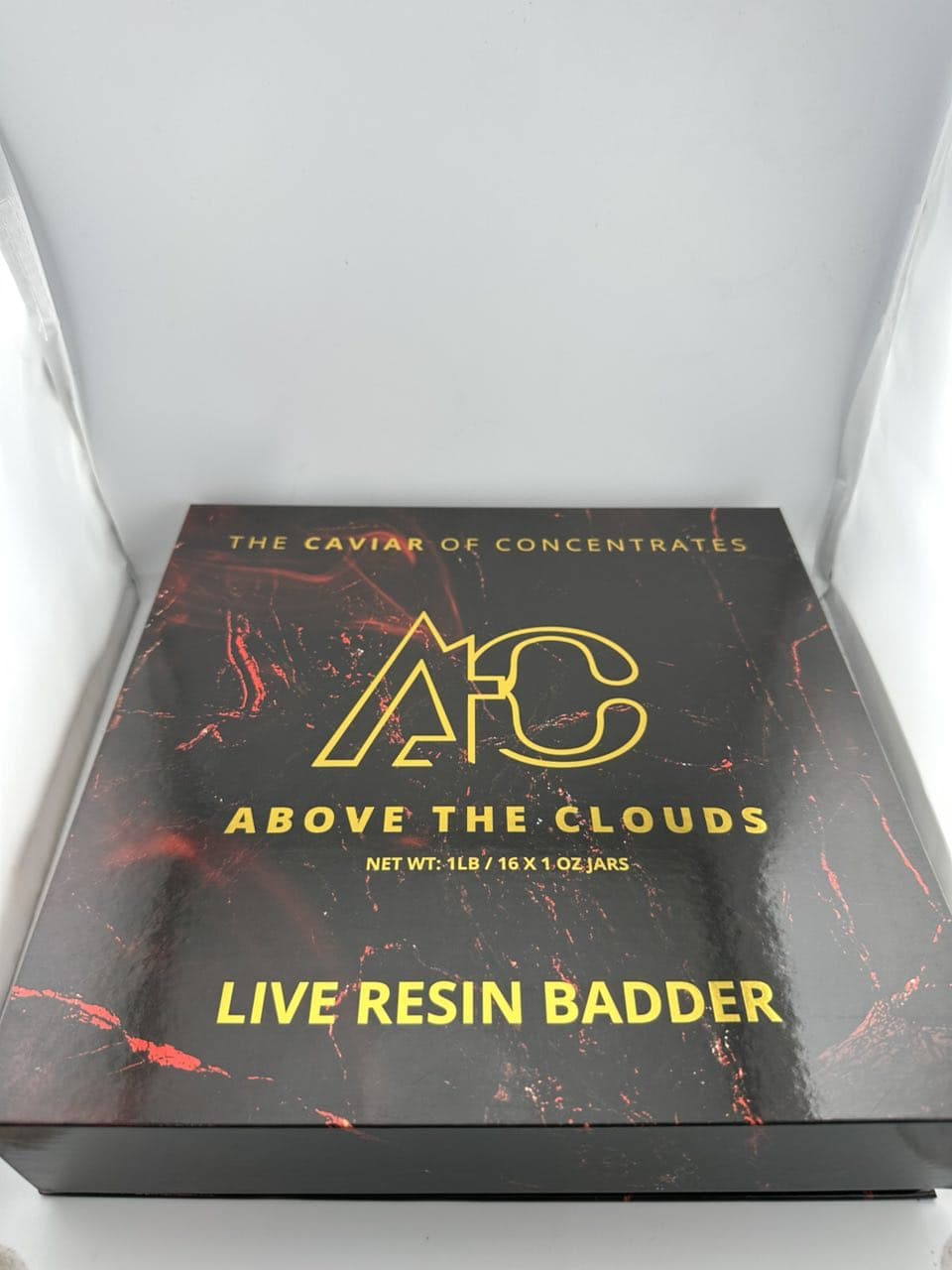
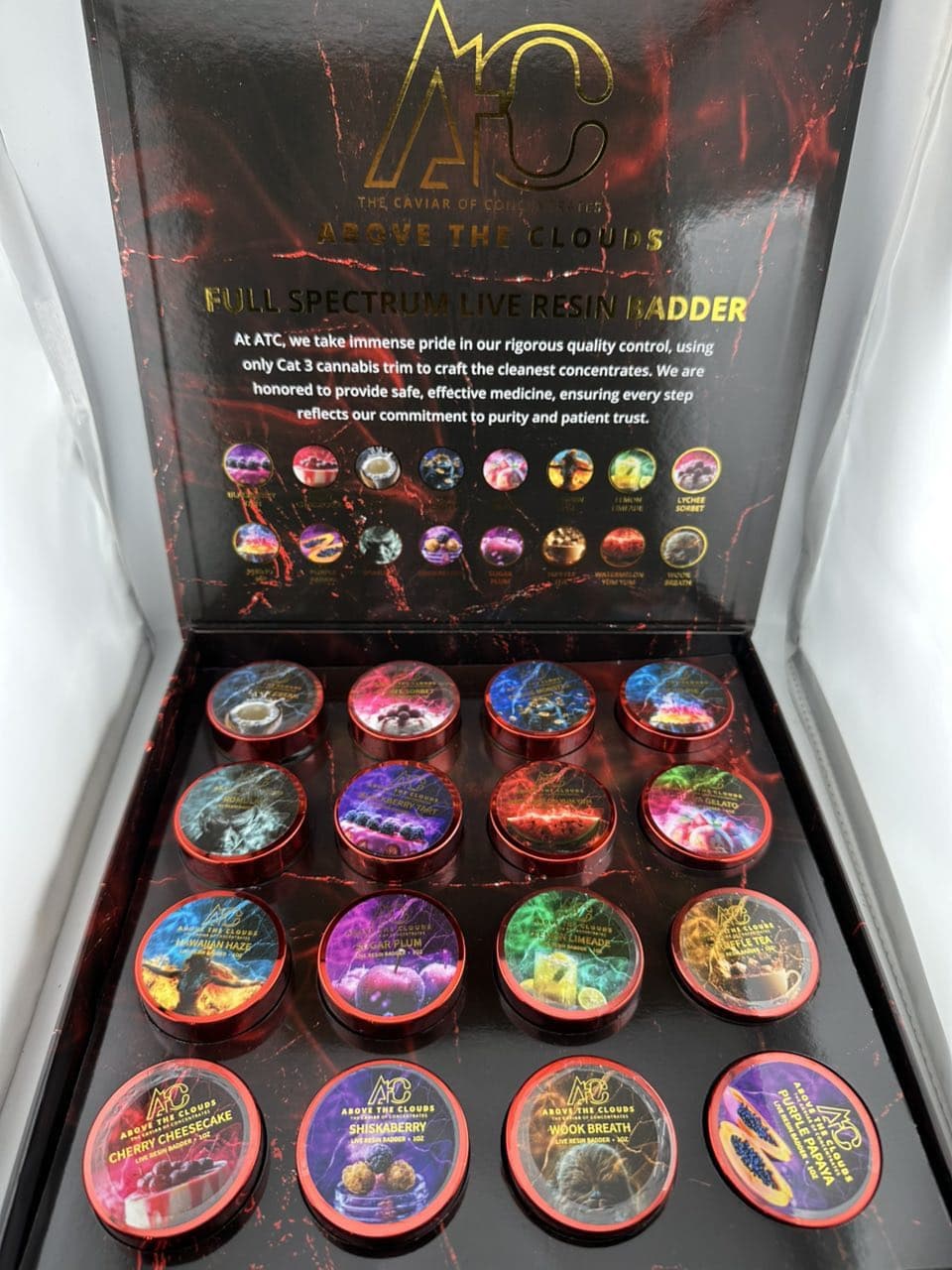
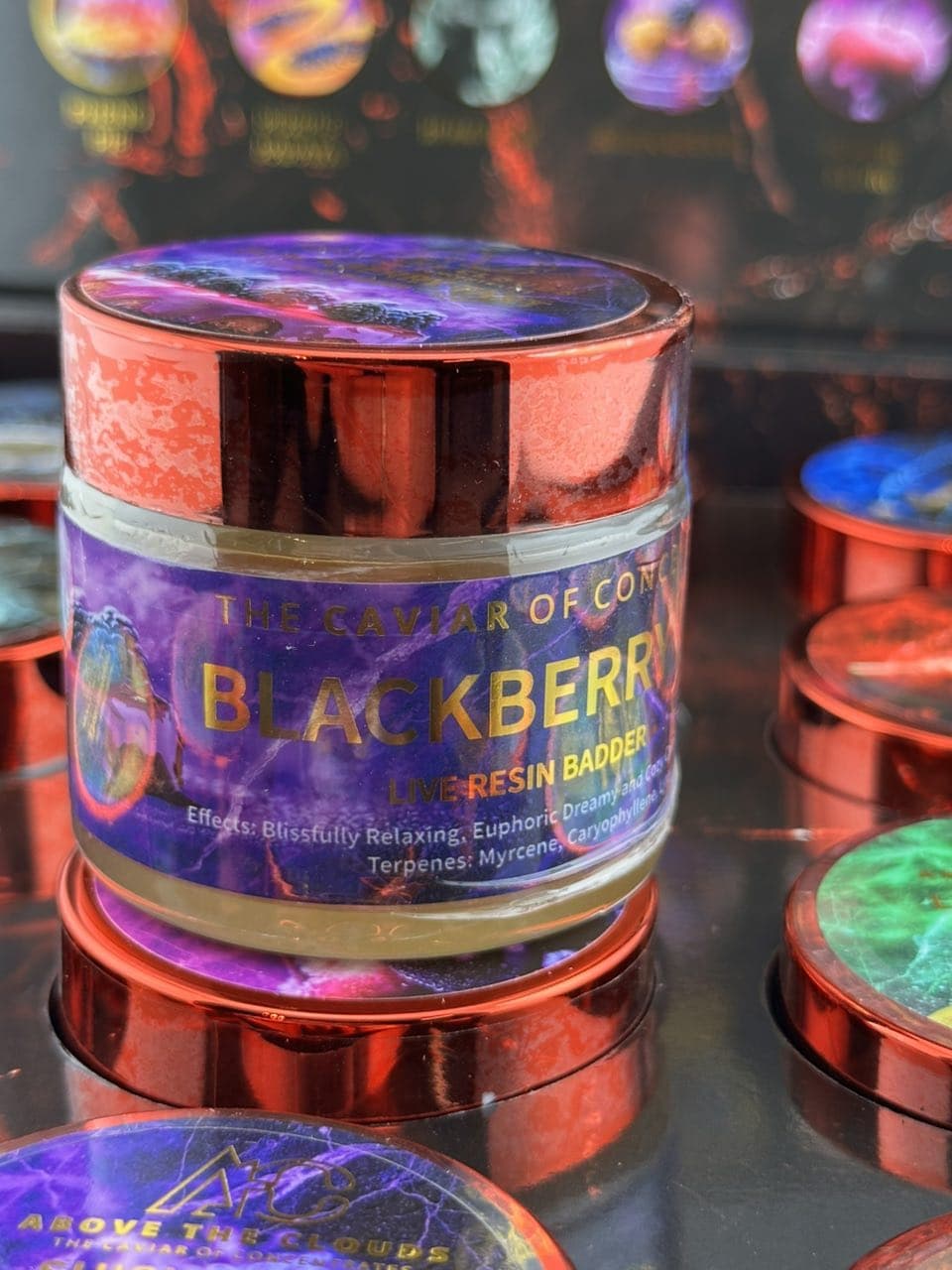
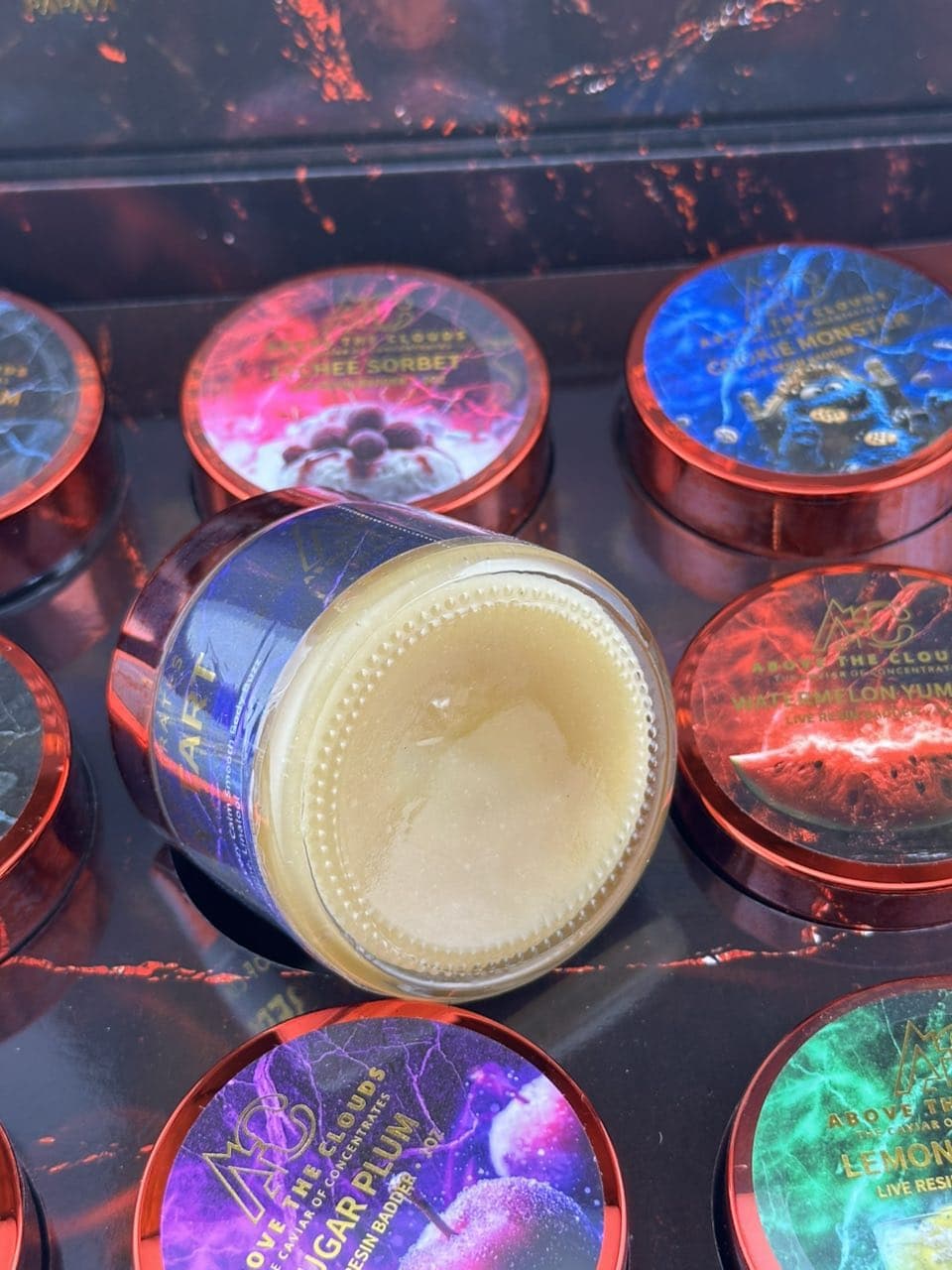
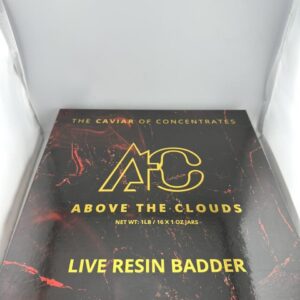
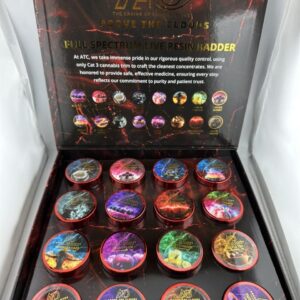
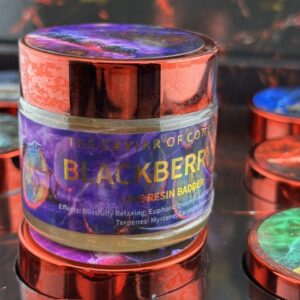
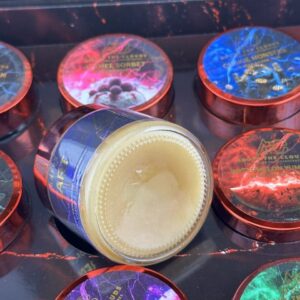
ATC | Above the Cloud Live Resin Badder
The product name ATC | Above the Cloud Live Resin Badder appears in online cannabis-market listings as a live resin concentrate with a badder (also spelled “budder”) texture, marketed under the ATC / Above the Cloud brand identity. Consumers searching for this term are generally trying to understand what the product is, how “live resin badder” fits into the broader cannabis-concentrate category, and what information should be verified before treating retailer descriptions as factual.
In the cannabis-concentrate market, live resin refers to extracts made from fresh-frozen plant material to preserve a broad spectrum of cannabinoids and terpenes. Badder describes a specific texture: a whipped, creamy, cake-batter–like consistency that is easy to scoop and handle. Product formulations, cannabinoid concentrations, ingredients, and extraction methods can differ between manufacturers and between production batches, so exact specifications for any “Above the Cloud” live resin badder should be confirmed from original packaging, laboratory certificates, or official manufacturer documentation rather than assumed from marketing copy.
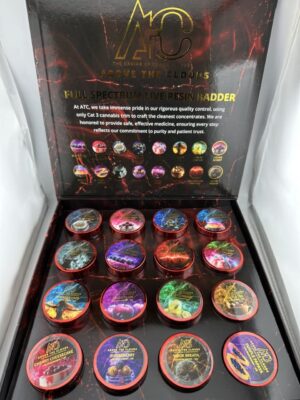
What Is ATC Above the Cloud Live Resin Badder?
ATC Above the Cloud Live Resin Badder is best understood as a marketing name for a cannabis concentrate that is:
-
Branded under the ATC / Above the Cloud label
-
Described as a live resin extract
-
Marketed with a badder texture profile
In various online listings, ATC (Above the Cloud) is presented as a brand associated with high-potency cannabis concentrates, including live resin, micro diamonds, shatter, crumble, and badder formats. However, detailed, independently verified manufacturer documentation specifically for a product named “Above the Cloud Live Resin Badder” is limited in publicly available sources. This means that many of the specifics—such as exact strain genetics, extraction method details, cannabinoid percentages, terpene breakdown, and batch-level testing—should be treated as unverified unless confirmed by the original packaging or a batch-matched certificate of analysis (COA).
What “Live Resin” Means in This Context
In cannabis-concentrate terminology, live resin describes an extraction approach that:
-
Uses fresh-frozen cannabis plant material rather than dried and cured flower
-
Aims to preserve a fuller spectrum of terpenes and cannabinoids from the living plant
-
Is often solvent-based (commonly hydrocarbon extraction), though details vary by producer
The term “live resin” tells you about the starting material and extraction philosophy, not a single, universally standardized recipe. Two products both labeled “live resin” can differ in:
-
Solvent type and extraction parameters
-
Post-processing steps (whipping, heating, curing)
-
Final texture (sauce, badder, jam, etc.)
What “Badder” Means in This Context
Badder (or “budder”) describes a texture, not a strain or a specific extraction method. A badder concentrate is typically:
-
Whipped and creamy, with a cake-batter–like consistency
-
Easy to scoop with a dab tool
-
Often perceived as aromatic due to terpene preservation and agitation during processing
This texture is distinct from:
-
Shatter: glass-like, translucent, and rigid
-
Crumble: dry, brittle, and easily breakable
-
Wax: softer and more pliable, sometimes sticky
-
Sauce/jam: more liquid or jam-like, often with visible terpene pockets
When a product is labeled “ATC Above the Cloud Live Resin Badder,” the words “live resin” and “badder” tell you about the extraction approach and physical consistency you might expect, not necessarily the exact strain, potency, or safety profile.
What “Above the Cloud” Likely Indicates
The “Above the Cloud” portion of the name functions primarily as a brand or product-line identifier. In some listings, it is treated as a strain name or flavor concept, but without official documentation, it should be considered:
-
A branding element for a family of concentrates (live resin, micro diamonds, shatter, etc.)
-
Possibly a strain-inspired name, but not a guarantee of specific genetics
-
A flavor theme that may vary between batches and retailers
Until verified by manufacturer documentation or COAs, “Above the Cloud” should be treated as a marketing descriptor rather than a confirmed strain or formulation.
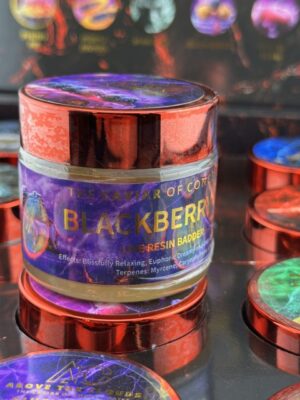
Understanding Live Resin Badder Concentrate
What Is Live Resin?
Live resin is a category of cannabis concentrate defined primarily by its use of fresh-frozen plant material. The general concept is:
-
Cannabis plants are harvested and immediately frozen to preserve terpenes and cannabinoids.
-
The frozen material is then processed using an extraction method (often hydrocarbon-based) to pull out resins.
-
The resulting extract aims to reflect the aroma and flavor profile of the living plant more closely than concentrates made from dried and cured flower.
Live resin can appear in multiple textures, including:
-
Sauce: liquid-rich with visible terpene pockets
-
Badder/Budder: whipped, creamy consistency
-
Jam: thicker, jam-like texture
-
Sugar: crystalline structures suspended in sauce
The “live” designation refers to the starting material, not a single texture.
What Is Badder Texture?
Badder is a concentrate texture characterized by:
-
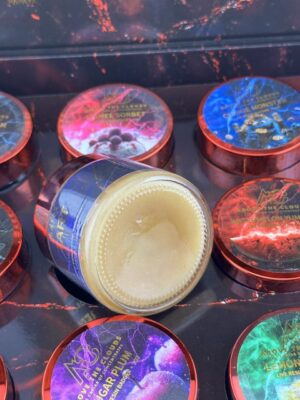
Appearance: Opaque, creamy, often light to medium amber in color
-
Consistency: Whipped, soft, and scoopable, similar to cake batter or frosting
-
Handling: Easy to portion with a dab tool; less brittle than shatter or crumble
-
Aroma: Often pronounced, due to terpene preservation and whipping during post-processing
Badder is typically produced by:
-
Extracting cannabis material into a crude oil
-
Purging solvents (for solvent-based extracts) under controlled conditions
-
Whipping or agitating the extract during or after purging to incorporate air and change consistency
-
Optionally reintroducing terpenes or adjusting texture through temperature control
The result is a concentrate that is easy to handle and often perceived as flavorful.
How Live Resin Badder Differs From Other Concentrate Formats
While all cannabis concentrates aim to deliver higher concentrations of cannabinoids and terpenes than raw flower, they differ in starting material, extraction concepts, and texture:
-
Live Resin Badder vs Live Rosin Badder:
-
Live resin: typically solvent-based extraction from fresh-frozen material
-
Live rosin: solventless extraction (heat and pressure) from fresh-frozen or cured material
-
Both can have badder texture, but the extraction method differs significantly
-
-
Live Resin Badder vs Cured-Resin Badder:
-
Live resin: uses fresh-frozen plants
-
Cured resin: uses dried and cured flower
-
Live resin is often marketed as more terpene-forward due to the fresh-frozen starting material
-
-
Live Resin Badder vs Shatter:
-
Badder: whipped, creamy, opaque
-
Shatter: glass-like, translucent, rigid
-
Both can be live resin; texture differences arise from post-processing
-
-
Live Resin Badder vs Crumble:
-
Badder: soft and scoopable
-
Crumble: dry, brittle, and easily breakable
-
Both can originate from similar base extracts but are finished differently
-
Texture and “live” labeling describe process and consistency, not guaranteed potency or safety. Laboratory documentation remains essential.
ATC Above the Cloud Flavor and Terpene Profile
How Flavor Descriptions Are Used in Cannabis Concentrates
When cannabis concentrates are marketed with names like “Above the Cloud,” the flavor description serves several purposes:
-
It helps consumers anticipate the aroma and taste they might experience.
-
It differentiates one product from another within a brand’s lineup.
-
It creates a theme that can be used across packaging, branding, and limited-edition releases.
However, these names are not standardized. “Above the Cloud” does not guarantee:
-
A specific set of terpenes
-
A particular strain lineage
-
A standardized formulation across batches
Instead, it signals a flavor concept that the producer aims to achieve through strain selection, terpene preservation, and sometimes added terpene blends.
The Role of Terpenes in Aroma and Flavor
Terpenes are aromatic compounds found in cannabis and many other plants. They contribute to:
-
Aroma: The smell you notice when opening a container.
-
Flavor: The taste perceived during vaporization or combustion.
-
Overall sensory profile: How “fruity,” “earthy,” “diesel-like,” or “sweet” a product seems.
Common cannabis terpenes include myrcene, limonene, caryophyllene, linalool, pinene, and terpinolene, among others. Different combinations and ratios create distinct sensory experiences.
In a product labeled “Above the Cloud,” some retailer descriptions suggest flavor notes such as:
-
Earthy, citrus, and piney undertones
-
Hints of sweetness
-
A “full-bodied” aromatic profile
But without laboratory terpene data, these remain expectations based on naming conventions and retailer copy, not verified facts.
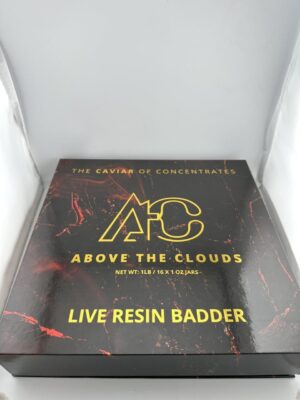
Why Product Names Are Not Proof of Terpene Composition
A name like “Above the Cloud” is a marketing tool, not a laboratory report. Two different batches labeled “Above the Cloud Live Resin Badder” could:
-
Use different strain blends
-
Have different terpene percentages
-
Vary in added terpene formulations (if any are used)
For accurate information, consumers and researchers should look for:
-
Terpene panels on COAs that list individual terpenes and percentages
-
Official brand documentation that explains how flavor profiles are achieved
-
Consistent labeling across batches that matches the testing data
Until such documentation is reviewed, any specific terpene claims for “ATC Above the Cloud Live Resin Badder” should be considered unverified.
Cannabinoid Content and Potency Information
Why Cannabinoid Percentages Vary Between Batches
Cannabinoid content in cannabis concentrates—such as THC, THCA, CBD, CBG, and others—can vary for several reasons:
-
Starting material: Different cultivars and growing conditions produce different cannabinoid profiles.
-
Extraction efficiency: Not all methods extract cannabinoids at the same rate or selectivity.
-
Post-processing: Heat, time, and exposure to oxygen can convert THCA to THC or degrade cannabinoids over time.
-
Batch size and scale: Small-batch and large-batch runs can yield slightly different results even with the same protocol.
Because of these variables, a single product name does not guarantee identical potency from one batch to the next.
THC, THCA, CBD, and Other Cannabinoids at a High Level
In many cannabis markets, the primary cannabinoids of interest are:
-
THC (tetrahydrocannabinol): The main intoxicating cannabinoid in many adult-use products.
-
THCA (tetrahydrocannabinolic acid): The non-intoxicating precursor to THC that converts when heated.
-
CBD (cannabidiol): A non-intoxicating cannabinoid often associated with calming properties in general discussions, though specific effects are not guaranteed.
-
Minor cannabinoids: CBG, CBN, CBC, and others that may be present in smaller amounts and contribute to the overall profile.
Concentrates often advertise high THC or THCA percentages, but these numbers should be interpreted carefully.
Advertised Potency vs Verified Laboratory Results
Online product descriptions for “ATC Above the Cloud Live Resin Badder” sometimes claim THC levels in ranges such as 70–90% THC. These claims are:
-
Marketing statements unless backed by batch-specific laboratory data
-
Not standardized across retailers or brands
-
Subject to change between batches
A certificate of analysis (COA) from a qualified laboratory provides:
-
Measured cannabinoid percentages for a specific batch
-
Testing dates and laboratory identification
-
Contaminant screening results (pesticides, heavy metals, residual solvents, microbes, etc.)
For anyone researching “ATC Above the Cloud Live Resin Badder,” the COA—if available—is a more reliable source of potency information than a product title or retailer summary.
How Cannabis Concentrate Extraction Works
High-Level Overview of Cannabis Extraction
Cannabis extraction is the process of separating desirable compounds (cannabinoids, terpenes) from plant material. At a high level, this involves:
-
Contacting plant material with a medium (solvent, heat/pressure, etc.) to pull out resins
-
Separating the extract from the plant matter
-
Refining and purifying the extract to achieve the desired consistency and purity
The exact methods vary widely and are typically proprietary to manufacturers.
Solvent-Based Live Resin vs Solventless Rosin
Two broad categories relevant to “live” concentrates are:
-
Solvent-based live resin:
-
Uses chemical solvents such as hydrocarbons (butane, propane) or CO₂
-
Requires careful purging to remove residual solvents
-
Can produce badder, sauce, shatter, and other textures
-
-
Solventless live rosin:
-
Relies on mechanical separation, heat, and pressure (e.g., rosin pressing from fresh-frozen hash)
-
Does not use chemical solvents in the extraction step
-
Is often marketed as “solventless” or “live rosin”
-
ATC / Above the Cloud listings describe the product as live resin, which in industry usage typically implies a solvent-based process, but specific extraction claims should be verified against official documentation rather than assumed.
Refinement, Filtration, and Terpene Preservation
After initial extraction, concentrates may undergo:
-
Filtration to remove particulates
-
Purging to reduce solvents (for solvent-based methods)
-
Whipping, heating, or cooling to achieve target textures (e.g., badder vs shatter)
-
Terpene management to preserve or enhance aroma and flavor
These steps influence the final product’s:
-
Consistency (badder, shatter, crumble, etc.)
-
Terpene profile
-
Stability over time
Manufacturers that make specific extraction claims (e.g., “live resin,” “solventless,” “hydrocarbon-extracted”) should be able to support those claims with process documentation or third-party testing where applicable.
Product Quality and Laboratory Testing
Importance of Third-Party Laboratory Testing
Third-party laboratory testing is a cornerstone of product quality and safety in regulated cannabis markets. Independent labs:
-
Are not directly controlled by the manufacturer or retailer
-
Follow standardized testing protocols
-
Provide objective data on cannabinoids, terpenes, and contaminants
For consumers and researchers, third-party COAs are more trustworthy than in-house testing claims or unverified online descriptions.
What a Legitimate Certificate of Analysis May Contain
A comprehensive COA for a cannabis concentrate may include:
-
Cannabinoid testing:
-
THC, THCA, CBD, CBDA, CBG, CBN, and other cannabinoids
-
Total potency calculations where applicable
-
-
Terpene testing:
-
Individual terpene names and percentages
-
Total terpene content
-
-
Contaminant screening:
-
Pesticides
-
Heavy metals (lead, cadmium, arsenic, mercury, etc.)
-
Residual solvents (for solvent-based extracts)
-
Microbial contaminants (mold, yeast, E. coli, Salmonella, etc.)
-
-
Batch information:
-
Batch or lot number
-
Sample collection date
-
Testing date
-
Laboratory name and accreditation details
-
For a product like “ATC Above the Cloud Live Resin Badder,” a legitimate COA should ideally match the product name, batch number, and packaging details.
Why Laboratory Results Should Match the Specific Product or Batch
Laboratory results are batch-specific. A COA for one batch of “Above the Cloud Live Resin Badder” does not automatically apply to:
-
A different batch of the same product name
-
A different texture (e.g., shatter vs badder)
-
A different product line (e.g., micro diamonds vs badder)
Consumers and researchers should check:
-
That the batch number on the COA matches the packaging
-
That the product name and format align (badder, jar size, etc.)
-
That the testing laboratory is identifiable and reputable
Without this alignment, potency and safety claims remain uncertain.
ATC Above the Cloud Live Resin Badder Authenticity
Counterfeit Packaging and Misleading Online Listings
Popular cannabis-concentrate brands and product names are frequently copied or imitated. Common issues include:
-
Counterfeit packaging that mimics well-known brands
-
Misleading online listings that use brand names without authorization
-
Inconsistent labeling across batches and sellers
-
Unverified potency claims that are not supported by COAs
“ATC / Above the Cloud” as a brand name appears in multiple online marketplaces, some of which may not be directly affiliated with the original manufacturer.
Neutral Guidance for Evaluating Authenticity
When evaluating whether a product labeled “ATC Above the Cloud Live Resin Badder” is authentic, consider:
-
Packaging consistency:
-
Logos, fonts, and design elements should be consistent with other verified ATC products.
-
Spelling errors or low-quality printing can be red flags.
-
-
Batch information:
-
Legitimate products typically include batch or lot numbers.
-
These should correspond to COAs when available.
-
-
Regulatory labeling:
-
In regulated markets, packaging often includes required warnings, THC content statements, and compliance symbols.
-
Absence of such labeling in a market where it is required can indicate an unregulated or counterfeit product.
-
-
Laboratory certificates:
-
Request or review COAs that match the product and batch.
-
Verify the laboratory’s name and contact information.
-
-
Licensed-market sourcing:
-
Products obtained through licensed dispensaries or authorized distributors are generally more reliable than those from informal sellers.
-
Online photographs alone—no matter how professional—cannot establish authenticity. They can be copied, edited, or reused across multiple listings.
Comparing Live Resin Badder With Other Cannabis Concentrates
Live Resin Badder vs Live Rosin Badder
-
Live Resin Badder:
-
Typically solvent-based extraction from fresh-frozen material
-
Marketed as “live resin”
-
Can have creamy, whipped texture
-
-
Live Rosin Badder:
-
Solventless extraction (heat and pressure) from fresh-frozen or cured material
-
Marketed as “rosin” or “live rosin”
-
Also can have badder texture
-
The key difference is extraction method, not necessarily texture.
Live Resin Badder vs Cured-Resin Badder
-
Live Resin Badder:
-
Uses fresh-frozen plants
-
Aims to preserve a “living plant” terpene profile
-
-
Cured-Resin Badder:
-
Uses dried and cured flower
-
May have a different terpene profile due to curing
-
Both can be badder in texture; the “live” designation refers to starting material.
Live Resin Badder vs Shatter
-
Live Resin Badder:
-
Whipped, creamy, opaque
-
Easy to scoop
-
-
Live Resin Shatter:
-
Glass-like, translucent, rigid
-
Snaps into shards
-
Both can be live resin; texture differences arise from post-processing.
Live Resin Badder vs Crumble
-
Live Resin Badder:
-
Soft and scoopable
-
Creamy consistency
-
-
Live Resin Crumble:
-
Dry, brittle, and easily breakable
-
More “cookie-like” texture
-
Choice between badder and crumble is largely a matter of texture preference and handling style.
Why No Single Concentrate Category Is Universally “Best”
Different concentrate categories appeal to different preferences:
-
Some users prefer the ease of handling and scoopability of badder.
-
Others favor the stability of shatter or the dry texture of crumble.
-
Some prioritize the solventless story of rosin over solvent-based live resin.
Terminology can also vary between manufacturers. What one brand calls “badder,” another might call “budder” or “whipped resin.” This reinforces the importance of reading specific product descriptions and laboratory data rather than relying solely on category names.
Storage and Product Quality Considerations
General Principles for Maintaining Concentrate Condition
While specific storage instructions should come from the manufacturer and comply with local regulations, general principles for cannabis concentrates include:
-
Protect from excessive heat:
-
High temperatures can soften or degrade concentrates, alter texture, and potentially affect cannabinoid stability.
-
-
Limit light exposure:
-
UV and strong light can contribute to oxidation and degradation of cannabinoids and terpenes over time.
-
-
Control moisture:
-
Excess humidity can affect texture and potentially encourage microbial growth in some scenarios.
-
-
Minimize oxygen exposure:
-
Keeping containers tightly sealed reduces oxidation, which can darken the product and alter flavor.
-
-
Avoid contamination:
-
Store away from strong odors, chemicals, and potential contaminants.
-
Use clean tools when handling concentrates.
-
-
Keep out of reach of children and pets:
-
Cannabis concentrates should be stored securely, in compliance with local laws and safety guidelines.
-
Following the manufacturer’s storage instructions and applicable legal requirements is essential for maintaining product quality and safety.
Who Researches ATC Above the Cloud Live Resin Badder?
Different types of readers may search for information about ATC Above the Cloud Live Resin Badder, including:
-
Experienced concentrate consumers who want to understand how this product fits into the live resin and badder categories and whether its flavor profile aligns with their preferences.
-
Cannabis-industry researchers analyzing branding strategies, flavor naming conventions, and market trends in live resin products.
-
Product reviewers and content creators seeking to explain concentrate textures, terpene profiles, and authenticity considerations to their audiences.
-
Collectors of limited-edition packaging who are interested in branded concentrates like “Above the Cloud” and how they compare to other lines.
-
Consumers attempting to understand concentrate terminology who encounter the product name online and want to know what “live resin” and “badder” actually signify.
None of these use cases require encouraging purchase or consumption. The goal is to provide clear, factual context that helps readers evaluate information critically.
Common Questions About ATC Above the Cloud Live Resin Badder
What Is ATC Above the Cloud Live Resin Badder?
ATC Above the Cloud Live Resin Badder is a product name used in online cannabis-market listings to describe a live resin concentrate with a badder texture, branded under the ATC / Above the Cloud identity. Specific details such as strain genetics, extraction method, cannabinoid percentages, and terpene profiles should be verified from original packaging and laboratory documentation rather than assumed from the name alone.
What Does Live Resin Mean in Cannabis Concentrates?
In cannabis concentrates, live resin refers to extracts made from fresh-frozen plant material to preserve a broad spectrum of cannabinoids and terpenes. It describes the starting material and extraction approach, not a single texture; live resin can appear as badder, sauce, shatter, or other forms depending on post-processing.
What Does Badder Mean in Cannabis Concentrates?
Badder (or “budder”) describes a whipped, creamy, cake-batter–like texture in cannabis concentrates. It is easy to scoop and handle, and is distinct from shatter (glass-like), crumble (dry and brittle), and wax (softer and more pliable). Badder can be produced from live resin, cured resin, or other extract types.
What Does the “Above the Cloud” Name Indicate?
The “Above the Cloud” name functions as a brand or product-line identifier, and possibly a strain-inspired or flavor-themed label. It does not, by itself, confirm specific terpenes, strain genetics, or ingredients. Accurate flavor and terpene information should come from laboratory testing or official product documentation.
How Can Cannabinoid Potency Be Verified?
Cannabinoid potency can be verified through a batch-matched certificate of analysis (COA) from a qualified third-party laboratory. The COA should list THC, THCA, CBD, and other cannabinoids for the specific batch, along with testing dates and laboratory information. Online product descriptions without corresponding COAs are less reliable.
What Is a Certificate of Analysis?
A certificate of analysis (COA) is a laboratory report that provides test results for a specific product batch. For cannabis concentrates, it typically includes cannabinoid levels, terpene profiles, and contaminant screening (pesticides, heavy metals, residual solvents, microbes). A legitimate COA should include batch numbers, testing dates, and laboratory identification.
How Can Consumers Identify Questionable Packaging?
Questionable packaging may show:
-
Inconsistent logos, fonts, or design compared to verified products
-
Spelling errors or low-quality printing
-
Missing batch numbers or laboratory information
-
Absence of required regulatory labeling in markets where it is mandated
-
Inability to match packaging details with a corresponding COA
Online images alone cannot confirm authenticity; physical packaging and documentation should be reviewed.
How Does Live Resin Badder Differ From Live Rosin Badder?
Live resin badder is typically produced using solvent-based extraction from fresh-frozen material, while live rosin badder is produced using solventless extraction (heat and pressure) from fresh-frozen or cured material. Both can have badder texture; the key difference is the extraction method.
Why Can Concentrate Texture Vary?
Concentrate texture can vary due to differences in extraction method, purification steps, whipping or agitation, temperature control, terpene content, and storage conditions. Even within the same product name, batch-to-batch variation in starting material and processing can lead to noticeable texture differences.
What Information Should Consumers Verify Before Relying on an Online Product Description?
Before relying on an online product description, consumers should verify:
-
Product name and manufacturer
-
Batch or lot number
-
Cannabinoid and terpene data from a COA
-
Contaminant screening results
-
Packaging consistency and regulatory labeling
-
Laboratory name and accreditation
-
Alignment between packaging, COA, and retailer information
Without this verification, online descriptions should be treated as marketing claims, not confirmed facts.
Key Product Information to Verify
Before treating any description of ATC Above the Cloud Live Resin Badder as factual, the following details should ideally be verified:
-
Product name: Exact wording on packaging and COA
-
Manufacturer: Confirmed brand entity and contact information
-
Batch number: Matching between packaging and laboratory report
-
Cannabinoid profile: THC, THCA, CBD, and other cannabinoids with percentages
-
Terpene information: Individual terpenes and total terpene content where available
-
Laboratory testing: Name of the testing facility, test dates, and scope of testing
-
Ingredients or additives: Any listed carriers, flavoring agents, or added terpenes, if applicable
-
Packaging information: Net weight, format (e.g., jar size), and regulatory labels
-
Production date: When available, to assess freshness and shelf life
-
Expiration information: Where required by regulation or provided by the manufacturer
-
Legal-market labeling: Compliance symbols, warnings, and THC statements as required locally
Any missing or inconsistent information should prompt caution and further verification rather than assumptions.
Final Analysis of ATC Above the Cloud Live Resin Badder
ATC Above the Cloud Live Resin Badder functions primarily as a product name and brand concept within the broader cannabis-concentrate market. The term “live resin” communicates an extraction approach using fresh-frozen material, while “badder” describes a whipped, creamy texture. However, these labels do not, on their own, confirm specific strain genetics, extraction methods, cannabinoid percentages, terpene compositions, or safety profiles.
For readers researching this product, the most important takeaways are:
-
Concentrate names and brand lines are marketing tools, not substitutes for laboratory data.
-
Texture categories like badder describe physical consistency, not a single standardized recipe.
-
“Live resin” describes starting material and extraction philosophy, not a guaranteed potency or effect.
-
Cannabinoid and terpene profiles can vary between batches, even under the same product name.
-
Third-party laboratory testing and batch-matched COAs are essential for verifying potency and safety claims.
-
Packaging consistency, regulatory labeling, and licensed-market sourcing help reduce the risk of counterfeit or mislabeled products.
Rather than treating online descriptions as definitive, consumers and researchers should prioritize manufacturer documentation, laboratory certificates, and applicable local regulations. Understanding concentrate terminology, verifying product information, and evaluating laboratory documentation provide a stronger foundation for informed decision-making than relying solely on product names or retailer summaries.


Reviews
There are no reviews yet.