
Whole Melt Takeout Edition Live Resin Sugar Baller Boxes Wax: An Informational Guide
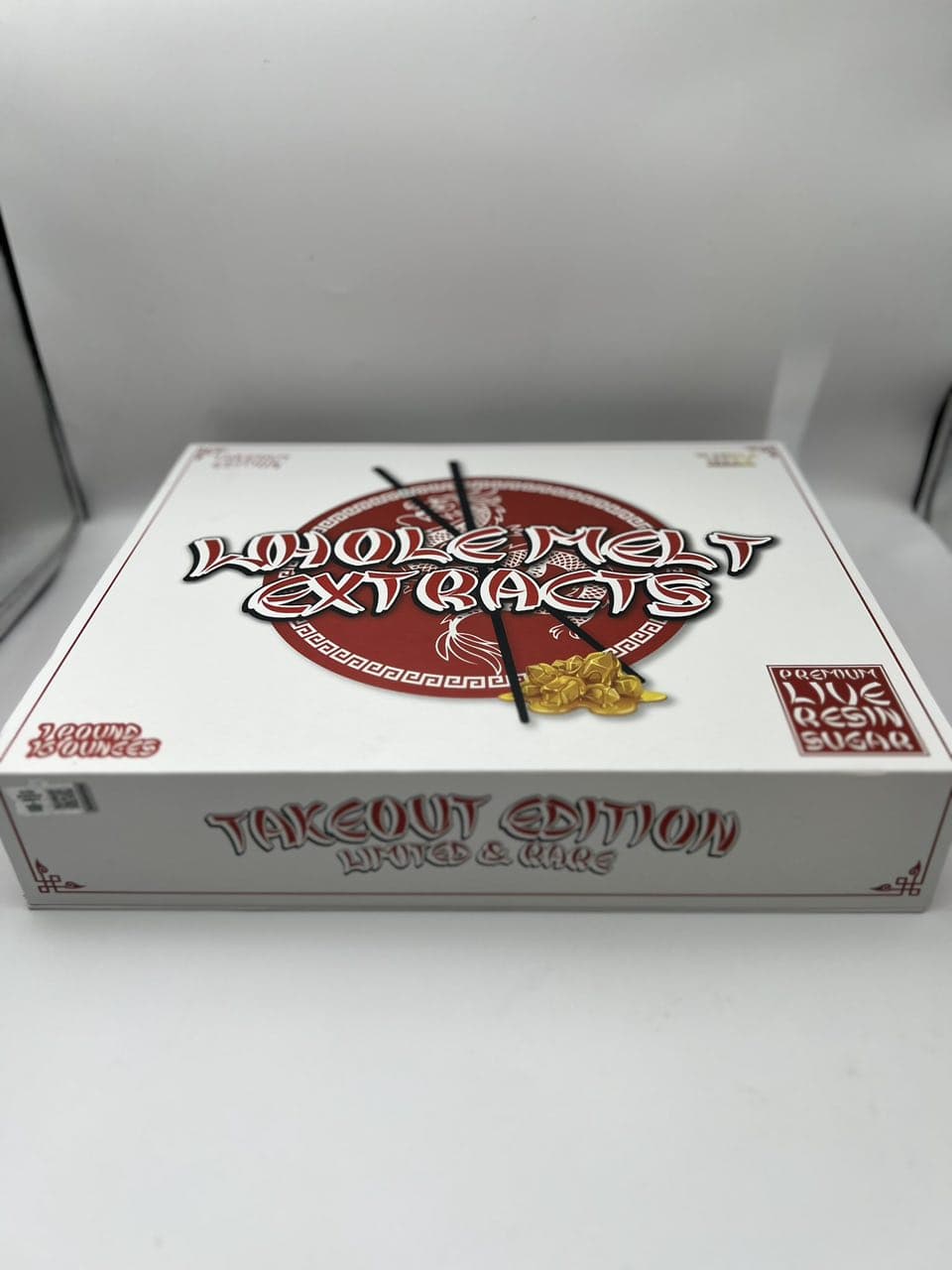
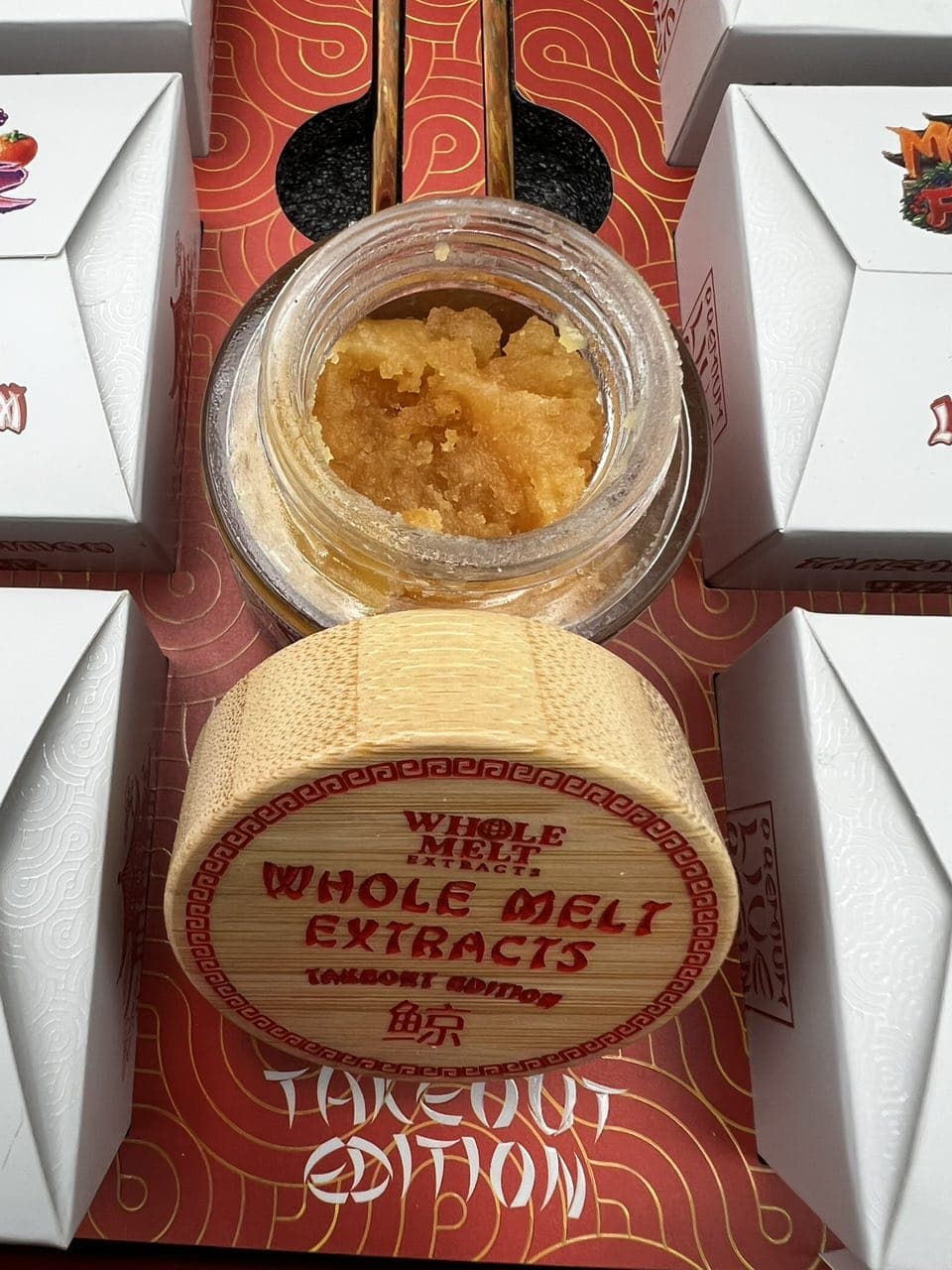
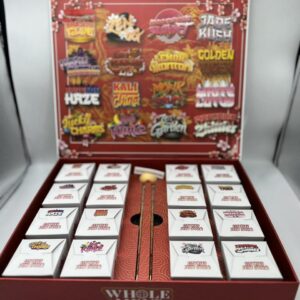
Whole Melt Takeout Edition Live Resin Sugar Baller Boxes Wax is a product name used in cannabis concentrate marketing for larger-format containers of live resin sugar, often presented in branded, takeout-inspired packaging. The name combines several separate ideas: “Whole Melt Takeout Edition” refers to the branded or themed presentation; “live resin” identifies an extract made from fresh-frozen cannabis; “sugar” describes the concentrate’s grainy, crystal-and-sauce texture; and “baller box” generally suggests a multi-gram or bulk-oriented package rather than a small single-gram jar.
Because cannabis brand names, packaging styles, and product formats can vary widely across jurisdictions, shoppers should not assume that every item using a similar name has the same origin, ingredients, extraction method, or regulatory status. This article explains the terminology, production concepts, packaging considerations, and verification practices surrounding products described as Whole Melt Takeout Edition Live Resin Sugar, without making claims about a particular batch or encouraging purchase or consumption.
What Are Whole Melt Takeout Edition Live Resin Sugar Baller Boxes?
A Whole Melt Takeout Edition Live Resin Sugar Baller Box is generally presented as a premium cannabis concentrate package containing live resin sugar wax. “Baller box” is informal cannabis-market terminology rather than a universally regulated product classification. It usually implies a larger quantity intended for consumers who are familiar with concentrate formats, although the net weight should always be confirmed on the legally required product label rather than inferred from the packaging design.
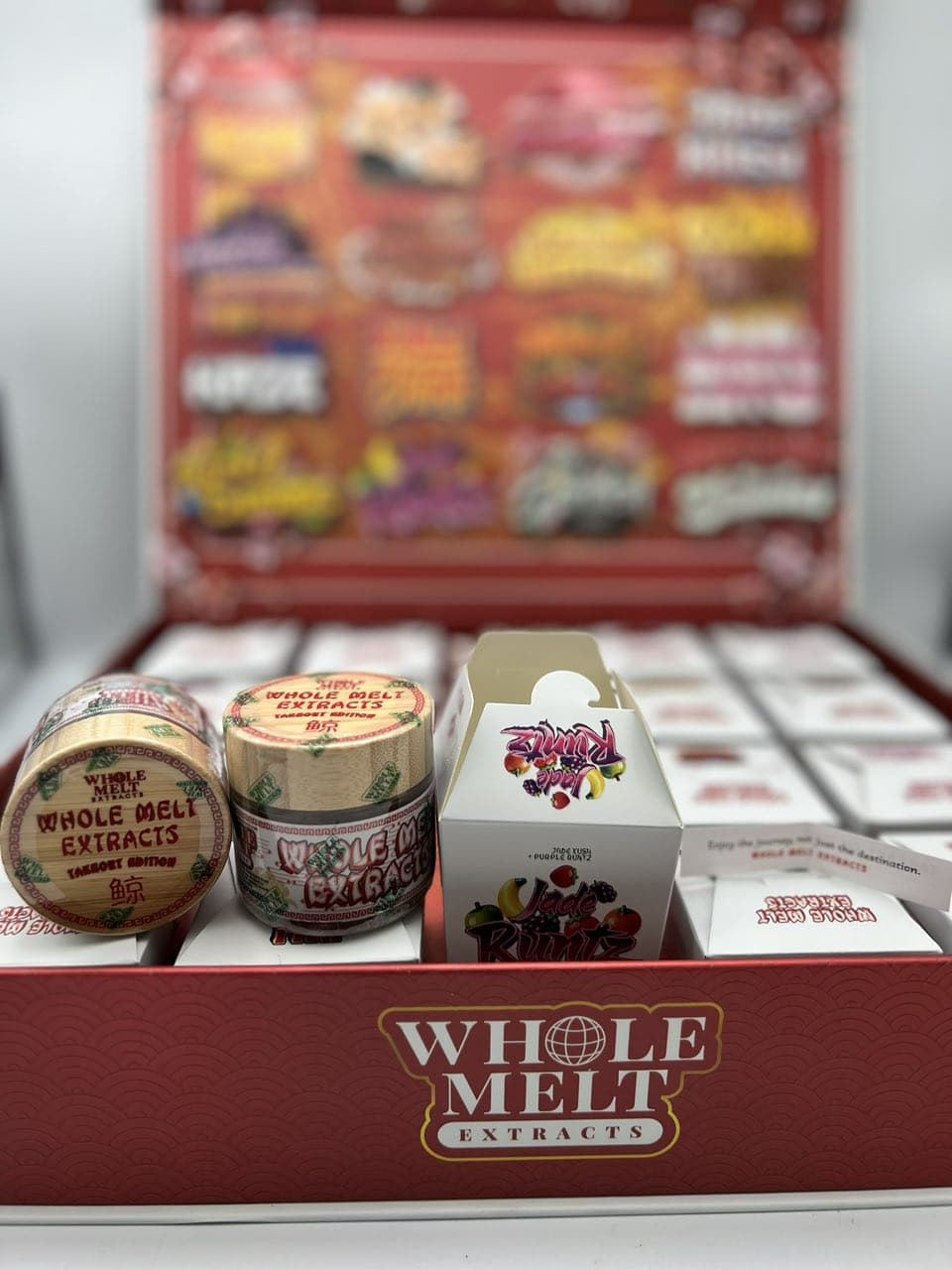
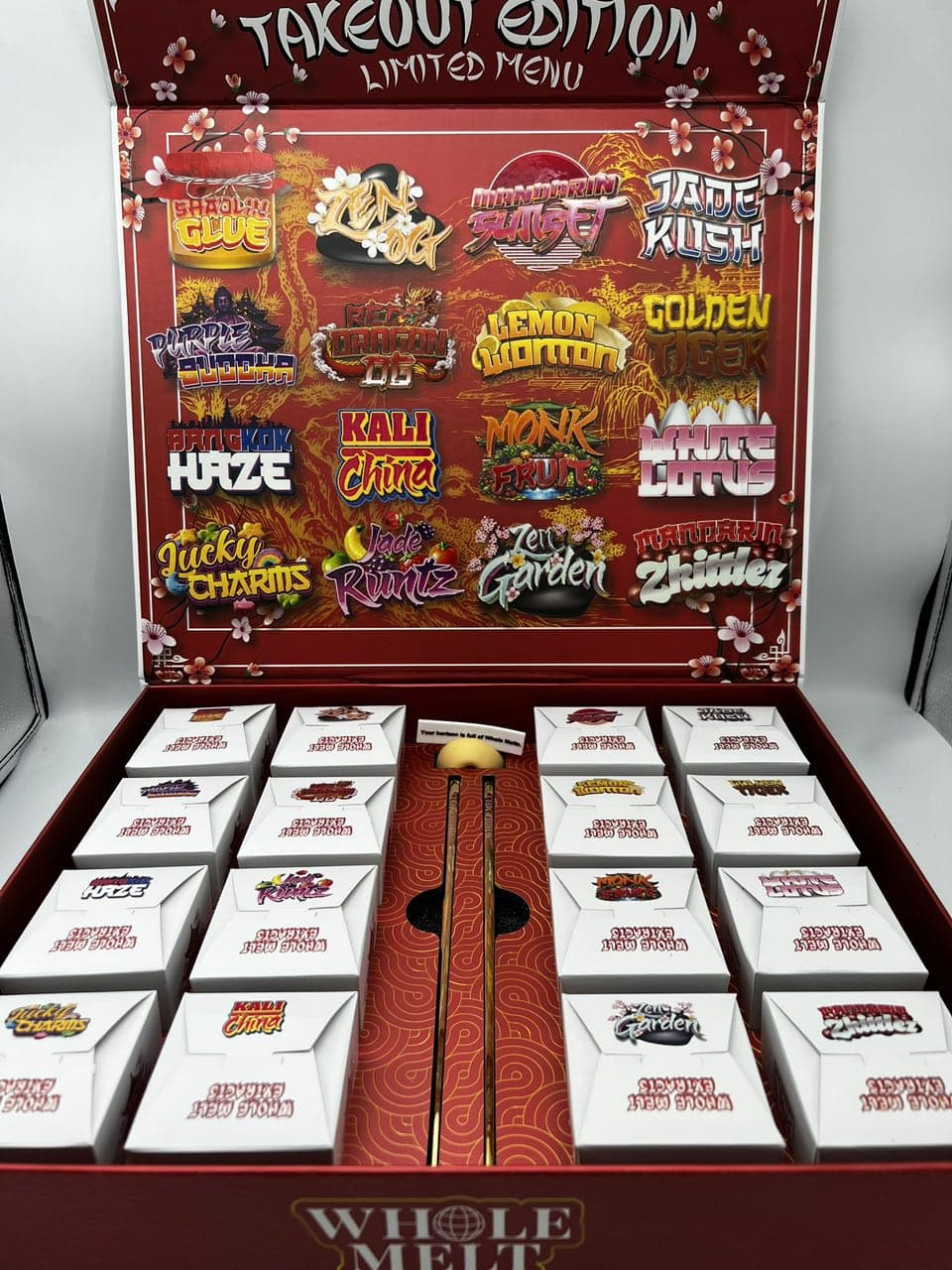
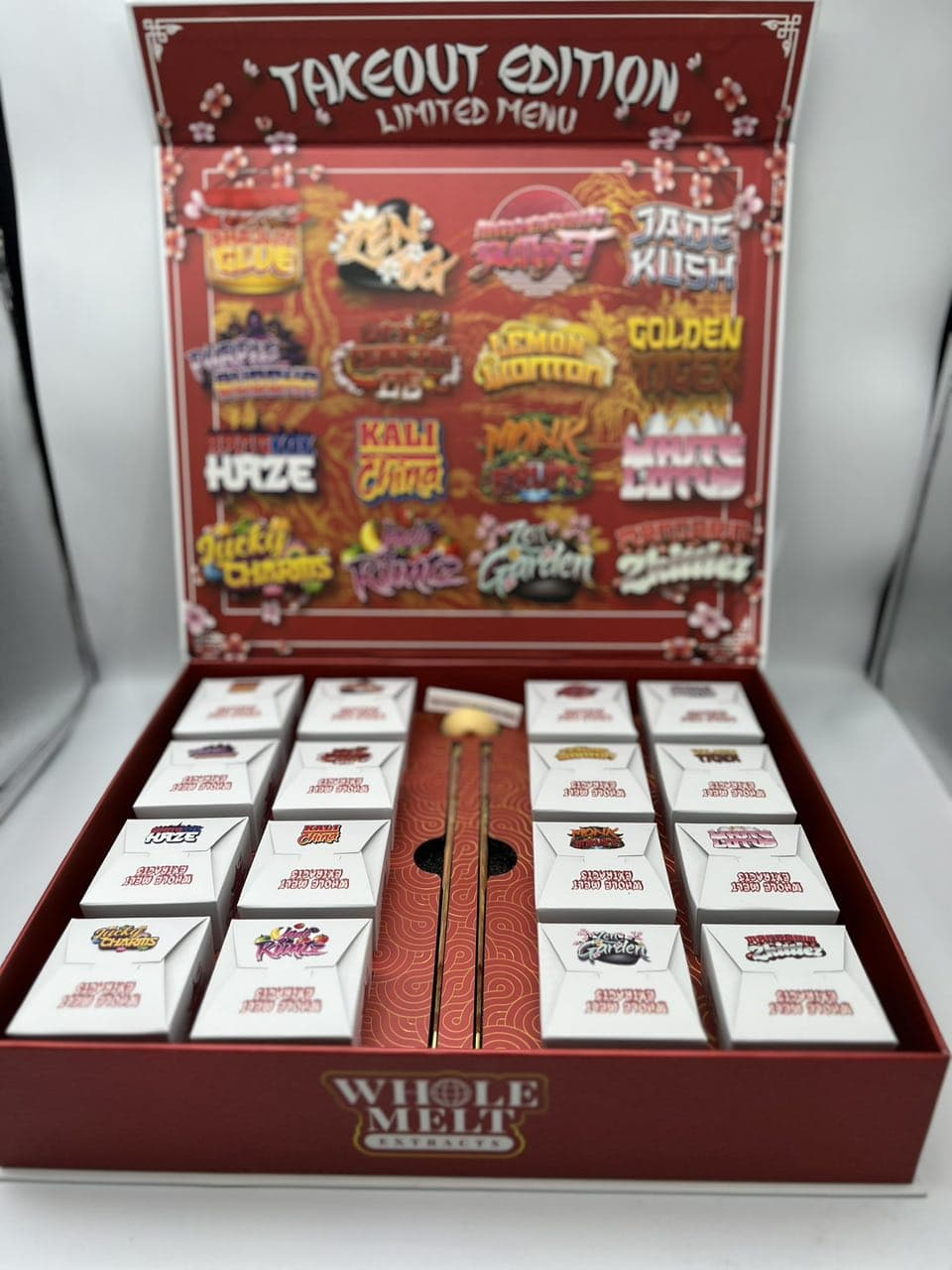
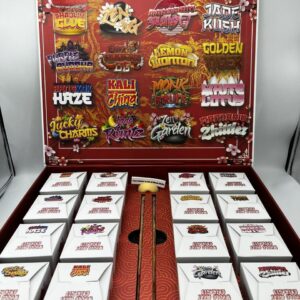
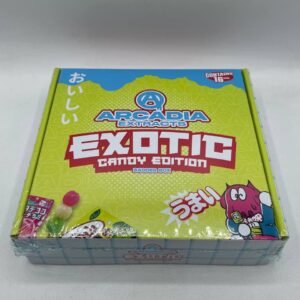
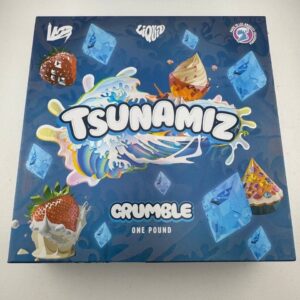
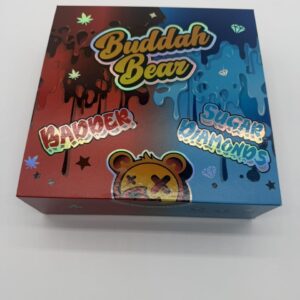
The “Takeout Edition” language typically refers to product presentation. Takeout-themed branding may use food-container imagery, folded cartons, bold graphics, stickers, menu-like strain labels, or novelty names. This kind of packaging can make a product visually distinct, but it is not evidence of cannabis quality, safety, cannabinoid concentration, or authenticity. In regulated markets, the legally required label information matters far more than decorative artwork.
The core product category is Live Resin Sugar, also called live sugar or sugar wax concentrate. It belongs to the broader family of cannabis concentrates, which are products created by separating desirable compounds from cannabis plant material. Live resin is distinguished by the use of fresh-frozen material rather than conventionally dried and cured flower. The resulting extract can then be finished into several textures, including sugar, sauce, badder, diamonds, wax, crumble, or shatter.weedmaps
For consumers researching a Whole Melt Takeout Edition item, it is useful to separate the brand presentation from the extract terminology. “Whole Melt,” “Takeout Edition,” and a strain name may be marketing identifiers. “Live resin sugar” is the more meaningful technical description because it indicates a fresh-frozen starting material and a particular crystallized, granular texture.
What Is Live Resin Sugar Concentrate?
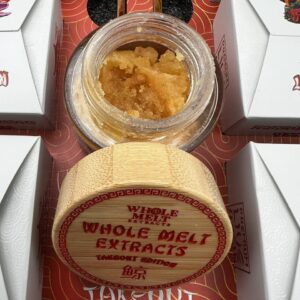
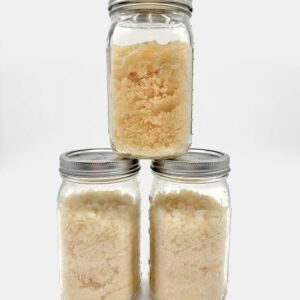
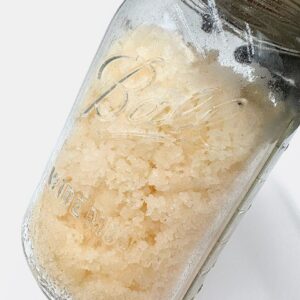
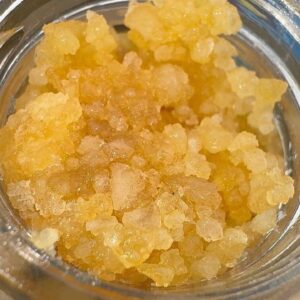
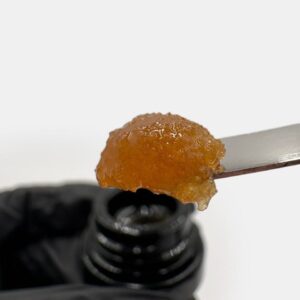
Live resin sugar is a cannabis extract with a moist, grainy consistency that often resembles wet sugar or coarse brown sugar. It generally contains small cannabinoid crystals suspended in a viscous, terpene-rich liquid phase. Its texture falls between a dry, crumbly concentrate and a fluid sauce: it is usually scoopable, but it may range from relatively loose to densely crystalline depending on the formulation, temperature, extraction conditions, and time in storage.
The word “live” does not mean the product is raw, unprocessed, or biologically active in an ordinary sense. In cannabis extraction, it refers to the fact that the plant was harvested and then quickly frozen rather than dried and cured. This approach is intended to preserve a more representative profile of volatile aromatic compounds, including terpenes, that can be altered or lost during drying and curing.
Terpenes are naturally occurring aromatic compounds found in cannabis and many other plants. They contribute to a product’s smell and flavor profile, producing descriptions such as citrus, pine, fruit, floral, herbal, earthy, or fuel-like. However, flavor descriptions are sensory terms, not scientific measurements, and the same strain name can show meaningful variation depending on cultivation conditions, harvest timing, storage, and extraction.
The term Sugar Wax Concentrate describes texture rather than a single universal recipe. A sugar concentrate can be made from live resin or from cured cannabis material. Therefore, “live resin sugar” is more specific: it identifies both the fresh-frozen source material and the sugar-like finished texture. This distinction matters when comparing labels, as a product called “sugar” is not necessarily live resin, and a product labeled “live resin” may be finished as badder, sauce, diamonds, or another consistency.
How Live Resin Sugar Is Produced
Commercial live resin production begins with cannabis plants that are harvested at the desired maturity and frozen rapidly. The plant material is kept cold through handling and extraction to reduce degradation of aromatic compounds. In professional facilities, frozen material is commonly processed in closed-loop systems using hydrocarbon solvents such as butane, propane, or a blend of the two. The solvent dissolves cannabinoids, terpenes, and other extractable compounds from the frozen plant material.weedmaps
The raw extract is then separated from the solvent under carefully controlled conditions. Producers use vacuum-assisted purging and low heat to remove residual solvent while attempting to retain the desired terpene content and texture. This is a specialized, licensed manufacturing process that requires appropriate equipment, ventilation, testing, and safety controls; it is not a suitable home project.
To create the recognizable sugar texture, the extracted material is allowed to crystallize under managed conditions. Temperature, pressure, time, moisture, terpene fraction, and post-processing choices influence whether cannabinoid compounds form fine crystals, large crystals, a creamy paste, a brittle sheet, or a drier crumble. Live sugar often develops a mixture of small crystals and terpene-rich sauce. Industry educational material describes controlled environmental conditions and crystallization as the key differences between live sugar and a more general live resin extract.
In a regulated supply chain, the finished cannabis concentrate should be placed in compliant packaging and associated with a batch or lot number. In California, for example, every batch of cannabis product must be tested by a licensed laboratory for cannabinoid levels, pesticides, and heavy metals, among other regulatory requirements. Rules vary by jurisdiction, but batch-level traceability and independent testing are foundational signs of a legitimate regulated product.
Live Resin Sugar vs. Badder, Diamonds, Wax, Crumble, and Shatter
Cannabis concentrate names can be confusing because they often describe the same starting materials processed into different textures. Live resin is a production category based on fresh-frozen cannabis. Sugar, badder, diamonds, wax, crumble, and shatter are primarily texture and finishing terms. A product can therefore be both “live resin” and “badder,” or both “live resin” and “sugar.”
Badder and budder are usually whipped or agitated concentrates with a soft, opaque, frosting-like consistency. They may be made from similar extract inputs as sugar, but the post-extraction handling encourages a creamy texture instead of visible crystallization. The terms are often used loosely in retail, so texture is generally more informative than the exact spelling used on a label.
Diamonds refer to larger crystalline formations, typically associated with THCA crystallization. They are frequently packaged with a terpene-rich liquid called sauce. The distinction from sugar is mainly scale and presentation: sugar commonly contains smaller, more numerous crystals, while diamonds are larger and visually separate. The exact cannabinoid profile must be verified through the product’s laboratory report rather than guessed from the name “diamonds. Wax is a broad category that can describe opaque, malleable concentrates made through solvent-based extraction and finishing. Crumble is generally drier and more brittle, while shatter is intentionally formed into a thin, hard, glass-like sheet. The same base extract can take on very different textures because of purging conditions, agitation, temperature management, terpene content, and curing decisions.
Terpene Preservation and Flavor Characteristics
The defining idea behind Terpene-Rich Extracts is preservation of aroma and flavor compounds from the source plant. Fresh-freezing avoids the standard drying and curing stages, which is why live resin is widely associated with expressive aroma. That association should still be understood as a general production goal, not a guarantee that every live resin product will be more aromatic than every cured concentrate.
Terpenes are volatile, meaning they can evaporate or change when exposed to heat, oxygen, light, and repeated opening of the container. A jar of live resin sugar may initially smell vibrant and later seem flatter if it has been stored poorly. This does not necessarily prove the product is counterfeit; it may indicate normal degradation caused by time or storage conditions. Likewise, unusually strong fragrance is not proof of superior quality.
Flavor is also not a reliable indicator of cannabinoid content or purity. A fruity strain label may derive from the naturally occurring terpene profile of the source material, but consumers should be cautious with vague claims such as “100% pure,” “strongest,” or “guaranteed flavor.” The most meaningful quality documentation is a batch-specific certificate of analysis from a licensed laboratory, paired with a lawful retail record.
Packaging Design and Whole Melt Takeout Edition Presentation
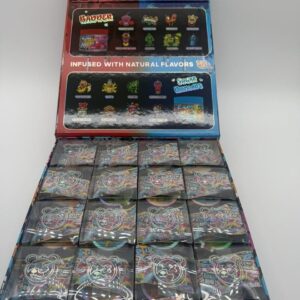
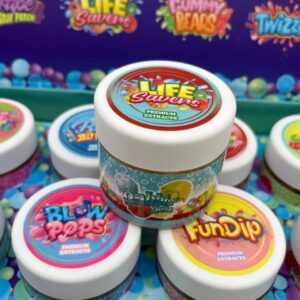
The visual appeal of a Whole Melt Takeout Edition product is likely part of its market identity. Takeout-inspired boxes can make a Premium Wax product feel collectible or differentiated from plain concentrate jars. Packaging can also help organize strain names, varieties, batches, or product weights when it is professionally designed and accompanied by clear regulatory information.
However, novelty packaging requires additional care. Cannabis products should be stored out of the reach of children and pets, and packaging should not be treated as harmless simply because it resembles food, candy, or restaurant takeout. A responsible package should make clear that it contains a cannabis product, display relevant warnings, and meet child-resistant requirements where local law requires them.
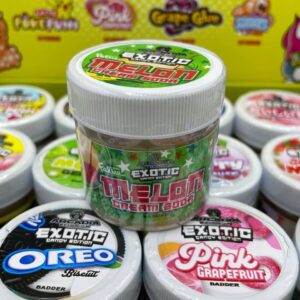
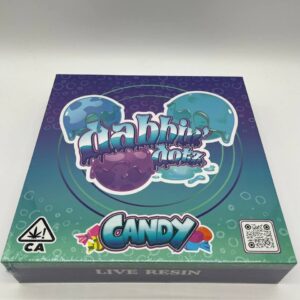
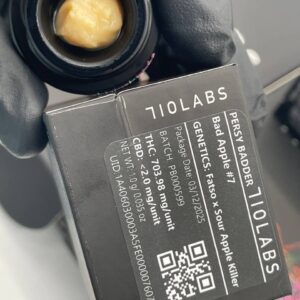
From a consumer-education perspective, a well-presented box should provide more than artwork. Useful information includes net weight, ingredients, strain or cultivar name where applicable, manufacturing and packaging dates, regulated business details, warnings, batch or lot identification, and testing information. California regulations, for example, require a batch or lot number on manufactured cannabis products and specify that QR codes or websites cannot replace information that must appear on the product label itself. The container inside a baller box is equally important. Live resin sugar is best held in a properly sealed, concentrate-compatible container that minimizes air exposure. Packaging should be intact, without obvious leakage, broken seals, oily exterior residue, unreadable labels, or inconsistent product information. A decorative outer box cannot compensate for a compromised inner container.
Storage Recommendations for Live Resin Sugar
Live resin sugar should be protected from heat, direct sunlight, excess air, and moisture. For short-term storage, keeping the sealed container in a cool, dark, dry location is commonly recommended. For longer storage, refrigeration may help slow texture and aroma changes, provided the container is airtight and protected from humidity.
Temperature stability matters. Constant movement between a warm room and cold refrigerator can create condensation risk when the jar is opened. If a concentrate has been refrigerated, allowing the sealed container to come closer to room temperature before opening can help reduce moisture formation inside. The goal is not to freeze every product automatically, but to avoid extremes, direct light, and repeated exposure to warm air.
Original packaging is usually preferable because it is designed for the product and may contain required label details. Avoid transferring a concentrate into containers that are not clean, compatible, or airtight. Keep the label and lot number available; this information is useful if a recall, quality concern, or authenticity question arises.
Storage recommendations preserve presentation and sensory characteristics, but they do not make an unverified product safe. A product with missing traceability, questionable labeling, or unclear origin should not be legitimized by careful storage.
Authenticity Verification and Responsible Purchasing Considerations
Authenticity is especially important for branded cannabis concentrates because names, artwork, and packaging styles can be copied. The safest verification approach begins with the seller, not with social-media photographs or packaging comparisons. Where cannabis is legal, consumers should use licensed retailers and confirm the retailer’s authorization through the relevant state, provincial, or national regulatory system.
A genuine regulated package should have coherent, matching information across the box and inner container. Check that the batch number on the package aligns with the certificate of analysis, where one is available. California’s proposed and existing compliance materials emphasize that batch numbers on packaged cannabis products should match the batch information used for laboratory testing. Look for clear manufacturer or distributor identification, warning language, net weight, and a date or traceability record required by local law.
A QR code can be useful, but it should be treated as one data point rather than definitive proof. Scan it carefully. Does it lead to a license lookup, batch-specific lab report, or legitimate brand verification system? Does the record match the product’s strain name, lot number, and weight? A generic landing page, a broken link, or a page that does not match the package should be considered a warning sign.
Consumers should also be wary of unverified online marketplaces, informal resellers, and unusually low prices for purported premium concentrates. The U.S. Centers for Disease Control and Prevention has advised against THC vaping products from informal sources because of the association between such products and the EVALI lung-injury outbreak. While live resin sugar is a concentrate rather than necessarily a vape product, the broader lesson applies: traceability and legal supply channels are central to consumer protection.
Premium Cannabis Concentrate Market Trends
The premium cannabis concentrate market has increasingly emphasized extract specificity. Rather than using only broad terms such as “wax,” producers and retailers now often distinguish live resin, cured resin, rosin, hash rosin, sugar, sauce, badder, and diamonds. This terminology reflects consumer interest in source material, extraction methods, terpene profiles, and texture—not only cannabinoid percentage.
Fresh-frozen extraction has become especially prominent because it provides a recognizable story about preserving the plant’s aromatic profile. At the same time, more informed consumers are learning that labels such as “live,” “small batch,” “premium,” and “terpene-rich” are not substitutes for laboratory testing, compliant packaging, or transparent manufacturing information.
Another trend is product presentation. Limited-edition designs, themed boxes, collaboration packaging, and collectible graphics can attract attention in legal adult-use markets. Yet regulations increasingly shape how packaging can communicate with consumers, particularly around warning placement, child resistance, ingredient disclosure, and traceability. The long-term value of a branded product is therefore likely to depend less on novelty packaging alone and more on consistent quality controls and verifiable compliance.
Conclusion
Whole Melt Takeout Edition Live Resin Sugar Baller Boxes Wax describes a branded-style presentation of a cannabis concentrate category built around live resin sugar. The technical terms matter: live resin refers to fresh-frozen cannabis extraction, while sugar describes a moist, crystalline concentrate texture created through controlled post-extraction processing. It differs from badder, diamonds, wax, crumble, and shatter mainly in texture, crystallization, and handling rather than in a single fixed level of quality.
For anyone researching Cannabis Concentrates, the most useful approach is to look past themed packaging and marketing language. Confirm the product’s legal source, inspect the required label information, match the lot number to available testing documentation, store the sealed container carefully, and avoid treating unverified claims as proof. Where cannabis products are legal, purchasing only through regulated channels remains the most responsible way to support traceability, labeling standards, and independent laboratory oversight.




Reviews
There are no reviews yet.